
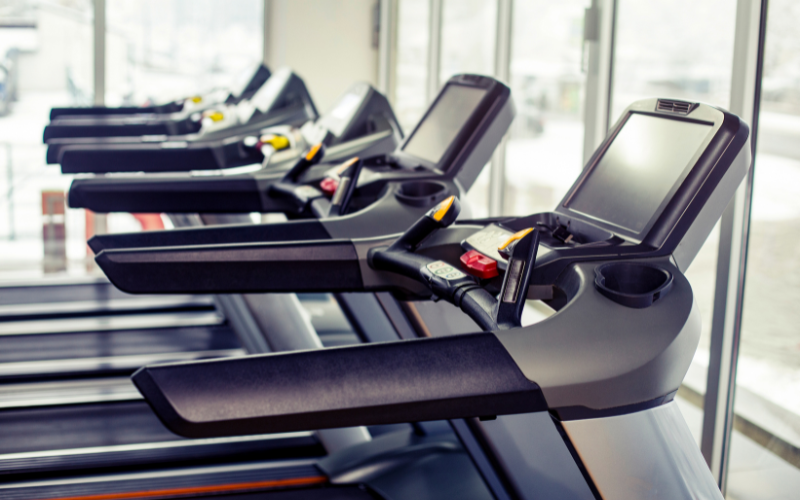
Finding time to prioritise fitness can be challenging. For many, investing in a home treadmill has become an attractive solution, offering the convenience of working out from the comfort of home. But before making a purchase, it’s essential to weigh the pros and cons to determine whether owning a running machine for home use is truly worth the investment.
This guide explores the advantages and potential drawbacks of owning a treadmill, helping you make an informed decision.
The Advantages Of Owning A Home Treadmill
One of the most significant benefits of a home treadmill is the convenience it provides. With a treadmill at home, you can exercise at any time, whether it’s early in the morning, late at night, or during a break in your day. There’s no need to commute to the gym or worry about weather conditions, making it easier to maintain a consistent workout routine.
A treadmill also allows for customised workouts tailored to your fitness level and goals. Many modern models come with features such as adjustable speed and incline settings, pre-programmed workouts, and heart rate monitors. As with other smart home appliances, these machines offer advanced functions designed to enhance user experience and meet a variety of personal preferences. Users can simulate various terrains, from flat surfaces to steep hills, providing versatility in their training routines.
For individuals aiming to improve cardiovascular health or lose weight, a running machine for home use offers a reliable way to burn calories and build endurance. Additionally, it’s an excellent option for beginners who may feel self-conscious exercising in public or for those who prefer to exercise in a private setting.
For families, a home treadmill can be a shared resource, encouraging everyone in the household to stay active. It can also save money in the long run by eliminating the need for costly gym memberships.
The Downsides Of Owning A Home Treadmill
While the benefits are appealing, owning a treadmill also comes with potential downsides. One of the most significant concerns is the upfront cost. High-quality treadmills can be expensive, with prices ranging from a few hundred to several thousand dollars, depending on the features and brand. This initial investment can be a deterrent for some, especially if the treadmill ends up being underutilised.
Another consideration is the space required to accommodate a treadmill. Even compact or foldable models take up a fair amount of space, which might not be practical for those living in smaller homes or apartments. Before purchasing, it’s crucial to measure the available area and ensure there’s enough room for the treadmill and safe movement around it.
Maintenance and repairs can also be a concern. Like any piece of equipment, treadmills require regular upkeep to ensure optimal performance. This includes cleaning the belt, lubricating moving parts, and occasionally replacing components. If issues arise, repair costs can add up, especially for high-end models with advanced technology.
For some users, running on a treadmill may feel monotonous compared to outdoor running or other forms of exercise. While features like built-in screens and virtual running programmes can make the experience more engaging, the lack of scenery changes might deter long-term use for certain individuals.
Lastly, noise can be an issue, especially for those living in shared spaces or apartments. The sound of a treadmill in use can be disruptive to others in the household or neighbours, making it less ideal for some living arrangements.
Tips For Choosing The Right Treadmill
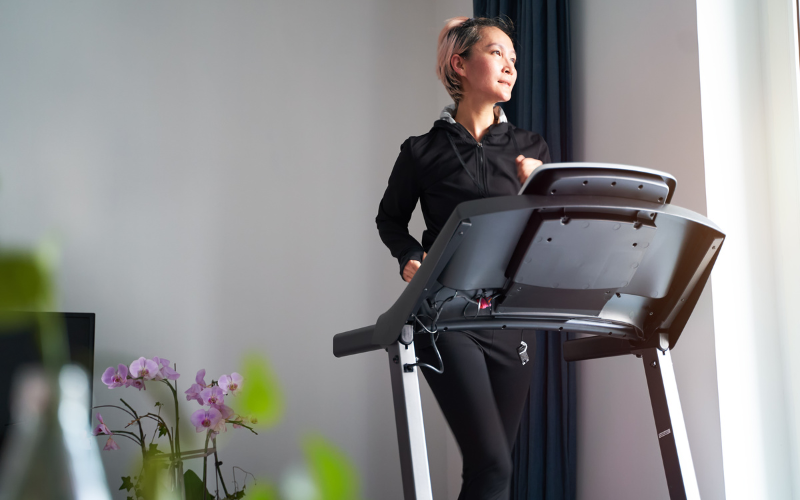
If you’ve decided that a home treadmill is worth the investment, selecting the right model is crucial. Start by identifying your fitness goals and budget. Determine whether you need advanced features like incline adjustments, heart rate monitors, or interactive training programmes, or if a basic model will suffice.
Consider the size and weight of the treadmill, ensuring it fits comfortably in your space and can be moved if necessary. Foldable treadmills are an excellent option for those with limited room, as they can be stored away when not in use; similar to how space-saving home appliances are designed for urban living.
It’s also essential to check the motor’s horsepower, especially if you plan on running frequently or at high speeds. A more powerful motor ensures smoother performance and durability over time. Additionally, read reviews and try out different models in-store if possible to find one that meets your needs.
ALSO READ: How To Make Your Own Home Gym: From Essentials To Future Upgrades
Is A Home Treadmill Worth It?
It’s definitely one of the more luxurious home appliances someone could get for their house.The decision to invest in a treadmill ultimately depends on your lifestyle, fitness goals, and personal preferences. For those who value convenience, privacy, and flexibility, a treadmill can be a game-changer in maintaining a consistent workout routine. It’s particularly beneficial for busy individuals, families, or those who face challenges accessing a gym.
However, it’s essential to carefully consider the cost, space requirements, and potential downsides before purchasing. A treadmill is a significant investment, both financially and in terms of commitment, so it’s important to ensure it aligns with your long-term fitness goals.
If you’re unsure whether to commit to buying a treadmill, you might explore alternatives like gym memberships or outdoor running to determine your preferences. Renting or purchasing a second-hand treadmill can also be a cost-effective way to try it out before fully committing.
Conclusion
A home treadmill offers numerous benefits, from convenience and customisation to long-term cost savings. However, it’s essential to weigh the pros and cons to determine if it’s the right fit for your lifestyle. By carefully evaluating your needs and preferences, you can make an informed decision and invest in a running machine for home use that supports your fitness journey effectively.
Visit Taste of SG for expert reviews on gym equipment, at-home workout tips, and smart buying guides to help you build a fitness space that keeps you moving—right from the comfort of home.