
Key Highlights
- Singapore’s plant-based dining scene actively supports athletic performance.
- Protein-rich vegetarian meals match the demands of high-intensity training.
- The best vegetarian food in Singapore for athletes goes well beyond salads and tofu.
- Smart meal choices help athletes hit their macros without relying on meat.
Table of Contents
Introduction
Protein is no longer just a meat-eater’s conversation. Across Singapore, athletes, gym-goers, and endurance trainers are reevaluating what fuels their performance, and plant-based eating is gaining serious nutritional credibility.
The best vegetarian food in Singapore now covers dense, protein-forward meals designed to meet the physical demands of serious training. Tempeh, lentils, chickpeas, edamame, and tofu each are packed with protein per serving while also delivering fibre, micronutrients, and anti-inflammatory compounds that support faster recovery.
Singapore’s food culture has always been dynamic, and the plant-based shift reflects growing awareness among fitness communities that recovery starts at the table. Whether training for a marathon, lifting weights five days a week, or completing HIIT sessions, food choices matter as much as training volume.
What Athletes Actually Need from Vegetarian Food
Athletic performance demands more than just calories. Protein repairs muscle, complex carbohydrates restore glycogen, and healthy fats keep hormones and joints functioning efficiently. Sourcing all three from vegetarian food in Singapore is entirely achievable.
The best vegetarian food in Singapore for athletes prioritises protein completeness. Pairing rice with lentils or combining legumes with grains creates amino acid profiles comparable to animal protein. Athletes also need iron, calcium, zinc, and B vitamins, all of which balanced vegetarian meals provide through leafy greens, sesame seeds, fermented soy, and fortified plant milks.
Plant-based diets also naturally carry higher antioxidant loads, which can reduce inflammation and oxidative stress after demanding sessions. The connection between recovery quality and diet quality is getting harder to ignore.
High-Protein Plant-Based Eateries Worth Knowing
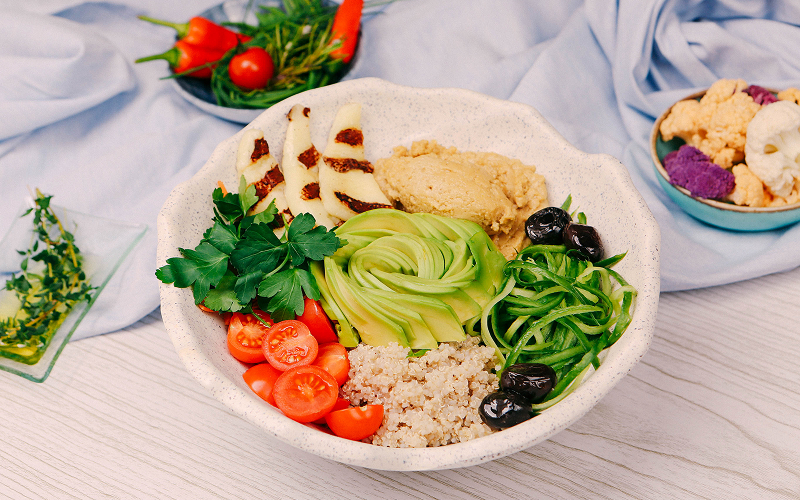
Singapore’s plant-based dining scene includes establishments actively catering to fitness-focused diners. The best vegetarian food in Singapore in this space appears across Indian vegetarian restaurants, health cafés, and dedicated plant-based concept eateries in both central and heartland districts.
Indian vegetarian restaurants, such as Nalan Restaurant and Komala Vilas, lead the pack in protein density. Dhal, paneer, rajma, and sambar-based meals deliver strong protein counts alongside complex carbohydrates. These establishments carry decades of experience feeding communities built around physical demands.
Health cafés in neighbourhoods like Tiong Bahru, Bukit Timah, Tanjong Pagar, Buona Vista, etc., such as The Living Cafe and Cultivate Cafe, offer fitness-aligned menus featuring macro-tracked bowls, high-protein platters, and smoothies loaded with plant protein. These spaces draw the post-gym crowd because their menus genuinely reflect training nutrition principles.
Hawker centres hold their own too. Yong tau foo lets diners customise protein content by selecting tofu, bean curd, and soy-based additions in combinations tailored to recovery needs. The best vegetarian food in Singapore often hides in plain sight.
Smart Ordering for Maximum Gains
Navigating menus strategically makes a real difference. Athletes eating out in Singapore can maximise protein intake by doubling legume-based sides, requesting extra tofu or tempeh in stir-fries, and choosing whole-grain bases wherever available.
Tempeh deserves special mention. Fermented soy delivers a denser protein profile than regular tofu while offering gut health benefits through natural probiotic activity. Tempeh rice bowls and satay-style tempeh skewers are appearing on Singapore menus with growing frequency, reflecting sharpening awareness of its value among active diners.
Portion awareness matters too. Vegetarian protein sources carry lower caloric density than meat, meaning athletes often need higher volumes to hit daily targets. Planning meals across the day, rather than relying on one large sitting, keeps muscle protein synthesis active between training sessions. The best vegetarian food in Singapore rewards those willing to eat with intention.
ALSO READ: Top 10 Places to Get High-Protein Vegetarian Food Near You in Singapore
Frequently Asked Questions (FAQs)
Can vegetarian food build muscle effectively?
Yes, provided meals consistently deliver sufficient total protein through well-combined plant sources.
How do these meals support muscle recovery?
These meals deliver essential amino acids and anti-inflammatory nutrients directly to repair muscle tissues.
What are the highest-protein vegetarian foods in Singapore?
Tempeh, tofu, lentils, chickpeas, and edamame are the strongest options widely available across Singapore’s food scene.
Does plant-based eating affect recovery time?
Higher antioxidant intake from plant foods actively supports reduced inflammation, potentially improving recovery between sessions.
Conclusion
Vegetarian eating and athletic performance are no longer a contradiction. Singapore’s food landscape actively proves that muscle recovery, training fuel, and plant-based nutrition coexist without compromise. The best vegetarian food in Singapore for athletes is spread across health cafés, traditional Indian restaurants, and everyday hawker centres, waiting for fitness-minded diners willing to look beyond familiar menus. Plant-based meals, chosen with purpose, deliver exactly what the body needs to train hard and recover well.
Explore the latest curated tips and insights into better food, fitness, and lifestyle at Taste of SG—your guide to modern and smarter urban living in Singapore!