
Key Highlights
- Nasi biryani is Singapore’s most beloved halal celebration dish for its fragrance and crowd appeal.
- Beef rendang deepens in flavour overnight, making it ideal for advanced preparation.
- Ayam masak merah adds bold colour and balanced heat to any festive spread.
- Sup tulang creates a memorable, interactive dining experience at the table.
- Mee siam offers a lighter, tangy contrast to richer celebration dishes.
Table of Contents
Introduction
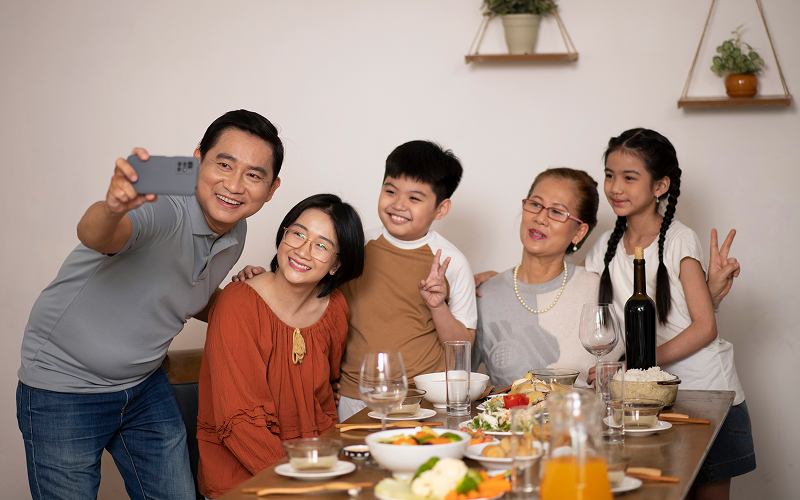
Celebrating at home does not mean settling for less. Halal food in Singapore draws from Malay, Indian, and Arab culinary traditions, producing dishes layered with aromatic spice, slow-cooked depth, and cultural meaning. Knowing which dishes to serve transforms a simple dinner into a genuine celebration that one’s guests will remember long after the table is cleared.
Five dishes consistently rise to the occasion, each earning its place through flavour, heritage, and the quiet joy of cooking something extraordinary for the people gathered around the table.
1. Nasi Biryani: The Festive Crowd-Pleaser
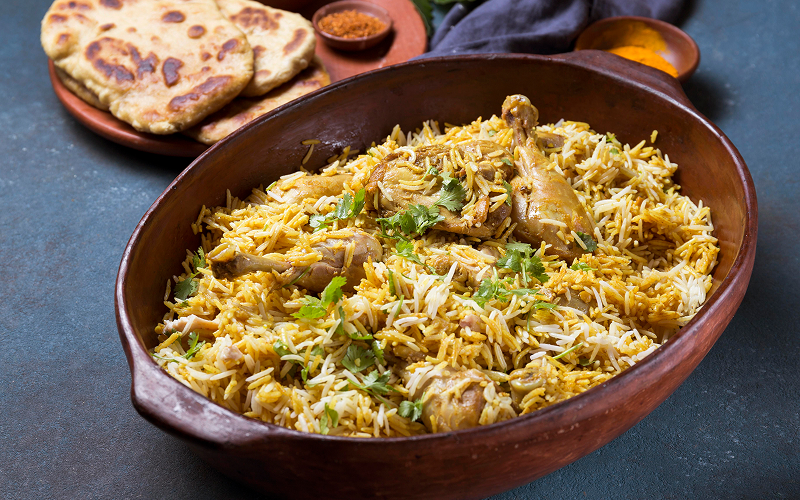
Few dishes set the mood quite like a pot of fragrant biryani. Basmati rice, slow-cooked with whole spices, saffron, and caramelised onions, sits alongside tender chicken, mutton, or beef in one of the most celebrated preparations in halal food in Singapore.
Its fragrance alone signals festivity. Garnished with fried shallots, boiled eggs, and fresh coriander, biryani scales effortlessly for large gatherings while delivering a presentation that commands the table. Pairing it with cooling raita or tangy achar completes the spread without added complexity.
2. Beef Rendang: Slow-Cooked Celebration Gold
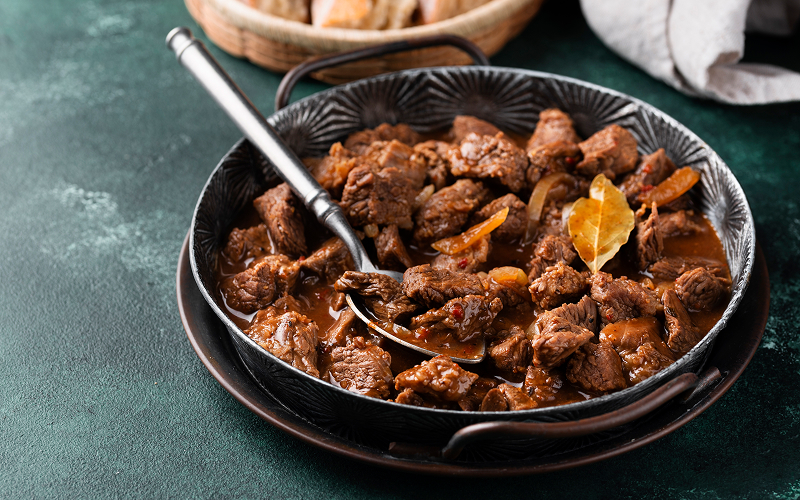
Rendang rewards patience. Beef simmers for hours in coconut milk, lemongrass, galangal, turmeric, and dried chillies until the sauce reduces into a dark, fragrant coating clinging to each piece of meat. The result delivers layers of heat, sweetness, and earthiness in every bite.
Among the most culturally significant halal dishes in Singapore, rendang improves overnight, making it an ideal dish to prepare the day before guests arrive. Serving it with steamed rice or ketupat feels both traditional and deeply satisfying, and its ability to hold well suits gatherings where guests arrive at different times.
3. Ayam Masak Merah: Colour, Heat, and Drama
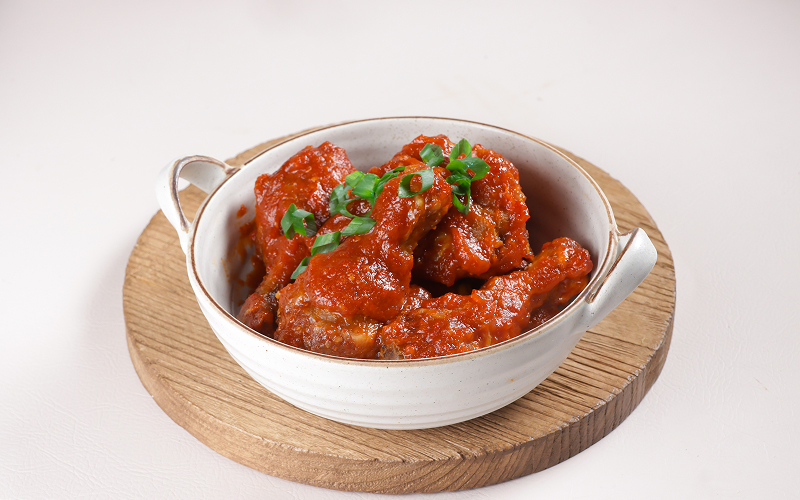
Translated to “chicken cooked red,” ayam masak merah delivers exactly what its name promises. A glossy, tomato-based sauce balanced with fresh chillies, a rich rempah base, and a touch of sweetness coats perfectly cooked chicken in a dish as visually striking as it is flavorful.
Halal food in Singapore leans on this dish heavily during festive spreads for good reason. Preparing it takes under two hours, and serving it alongside nasi minyak or yellow glutinous rice creates a combination guests return to throughout the meal. Crispy fried shallots and fresh chilli garnish add texture and a final burst of colour.
4. Sup Tulang: The Soulful Showstopper
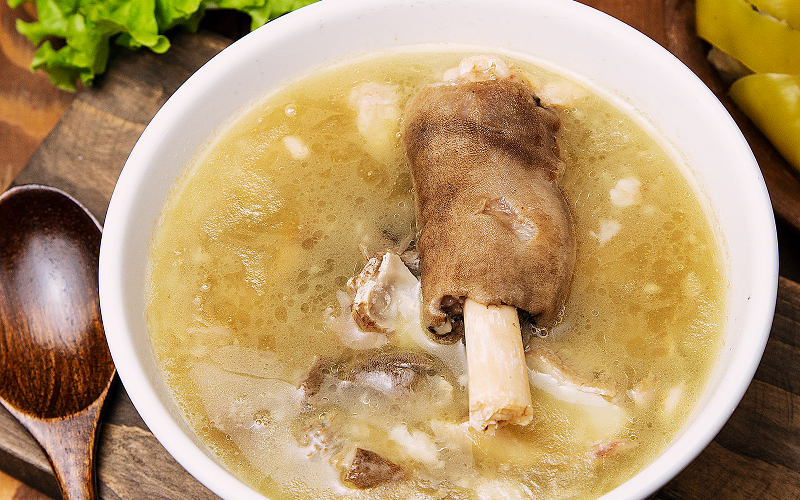
Sup tulang earns its place on a celebration table through sheer drama. Large beef or mutton bones slow-cooked in a spiced broth of star anise, cinnamon, cloves, and black pepper produce a deeply savoury soup with marrow so soft it practically melts on contact.
The interactive element, scooping marrow from the bone, sparks conversation and creates a shared experience guests remember. As halal food in Singapore continues evolving, sup tulang remains a dish tied firmly to comfort and occasion. Pairing it with crusty bread for broth-dipping adds an informal warmth that suits intimate celebrations especially well.
5. Mee Siam: Light, Bright, and Underrated
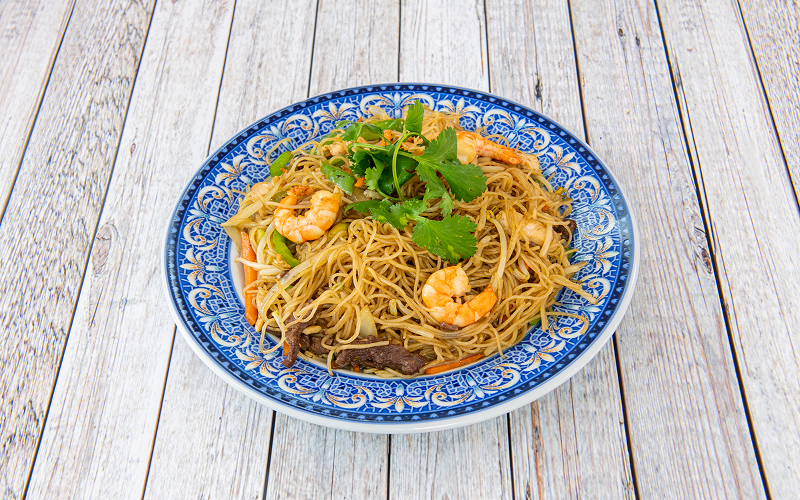
Mee siam rarely headlines a celebration spread, but it should. Thin rice vermicelli served in a tangy tamarind and fermented soybean gravy, topped with boiled eggs, fried tofu, bean sprouts, and a squeeze of lime, delivers brightness and contrast that heavier dishes cannot offer.
Representing the Peranakan-Malay culinary tradition, mee siam cuts through the richness of rendang or biryani with sharp, tangy notes. Halal food in Singapore thrives on this kind of balance, and thoughtful hosts recognise its value in a larger spread. The gravy prepares easily ahead of time, making it a practical and considered addition to any festive menu.
ALSO READ: 8 Halal-Friendly Restaurants to Try in Singapore
Frequently Asked Questions (FAQs)
What makes a dish halal?
Halal food follows Islamic dietary laws, requiring permissible ingredients and preparation methods free from pork and alcohol.
Can these dishes be prepared in advance?
Yes, rendang and biryani taste better the following day as flavours continue developing.
Are these dishes very spicy?
Spice levels are adjustable across all five dishes without losing their essential character.
Which dish works best for a small gathering?
Ayam masak merah and mee siam scale well for tables of four to six without requiring large quantities.
Conclusion
Celebration dinners at home carry a warmth no restaurant fully replicates. Halal food in Singapore offers a depth of flavour, cultural richness, and culinary tradition worthy of every special occasion. Serving even one of these dishes with intention tells guests they were worth the effort.
For curated tips and insights on food, fitness, lifestyle, and technology for modern urban living in Singapore, visit Taste of SG.