

Panic attacks are sudden episodes of intense fear or discomfort that can manifest unexpectedly and often without an identifiable trigger. They can be deeply unsettling experiences, leaving individuals feeling overwhelmed, powerless, and physically affected—especially when there’s no time for breathing exercises or meditation. In Singapore, a fast-paced lifestyle coupled with societal pressures can make people more susceptible to such episodes. Understanding what panic attacks are, their causes, symptoms, and how to cope with them is crucial for better mental well-being.
What Are Panic Attacks?
A panic attack is an acute surge of anxiety that often occurs without warning. During a panic attack, individuals may feel a sense of imminent doom or danger, even when no real threat exists. These episodes are different from regular anxiety and stress as they are usually more intense and can peak within minutes. Some describe them as a severe form of stress attack, where both the mind and body respond in a state of heightened alarm.
Panic attacks can occur once or become a recurring issue. In cases where they are frequent and interfere with daily life, a person may be diagnosed with panic disorder. Those experiencing random panic attacks may find it challenging to anticipate or avoid situations that trigger them, adding to their distress.
Causes Of Panic Attacks
Panic attacks can stem from various causes, often unique to the individual. Genetics, brain chemistry, and environmental factors all play a role in their occurrence. For some, a predisposition to anxiety disorders may increase the likelihood of experiencing panic episodes. Stressful life events, such as losing a loved one, financial difficulties, or relationship problems, can also be significant triggers.
In Singapore, high expectations in the workplace and academic environments can amplify stress levels, potentially leading to panic attacks. Additionally, underlying health conditions, such as thyroid disorders or heart problems, can sometimes mimic or trigger symptoms of panic.
Recognising The Symptoms Of Panic Attacks
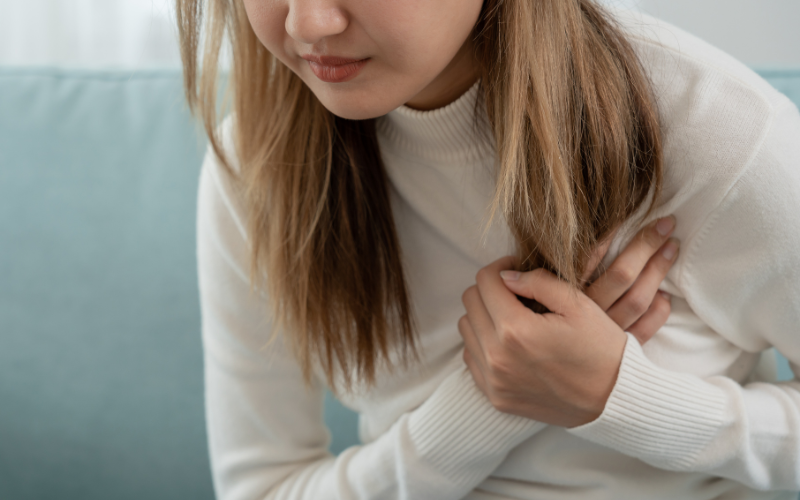
The symptoms of panic attacks can vary widely but typically involve both physical and emotional components. Physically, individuals may experience a racing heart, shortness of breath, dizziness, sweating, trembling, and chest pain. These sensations can mimic a heart attack, which is why panic attacks are often misunderstood.
Emotionally, people may feel an overwhelming sense of dread, fear of losing control, or fear of dying. The intensity of these feelings can leave individuals feeling drained and fearful of future episodes. It is this unpredictable nature of random panic attacks that can make them particularly debilitating.
Coping Strategies For Panic Attacks
Dealing with panic attacks requires a combination of immediate responses and long-term strategies. When a panic attack strikes, grounding techniques can help alleviate the symptoms. Deep breathing exercises, for example, can calm the nervous system and reduce the severity of the attack. Try inhaling deeply through the nose for four seconds, holding the breath for four seconds, and exhaling slowly through the mouth for another four seconds.
Practising mindfulness can also be beneficial. By focusing on the present moment and acknowledging feelings without judgment, individuals can reduce the hold that fear and anxiety have over them. Engaging the senses by concentrating on sights, sounds, or textures can further anchor a person during an attack. Taking a few minutes daily for guided breathing or meditation can also build resilience over time and help reduce the frequency or intensity of episodes.
Long-term management involves identifying triggers and addressing underlying issues. Cognitive-behavioural therapy (CBT) has proven effective in helping individuals reframe negative thought patterns and develop healthier responses to stress. For some, medication prescribed by a mental health professional may also be necessary to manage symptoms of panic and anxiety.
In Singapore, there are resources such as counselling services, support groups, and helplines dedicated to mental health. Seeking professional help early can prevent panic attacks from escalating into more chronic issues.
Building A Support System
Having a strong support system is essential for those dealing with panic attacks. Friends, family, and colleagues who understand the condition can provide comfort and reassurance during challenging moments. Educating loved ones about the nature of panic attacks can foster empathy and reduce stigma.
Moreover, connecting with others who have experienced similar struggles can be incredibly validating. Support groups or online forums allow individuals to share their experiences and learn from one another. In Singapore, organisations like the Singapore Association for Mental Health (SAMH) and Silver Ribbon provide platforms for community support.
Prioritising Self-Care And Lifestyle Changes
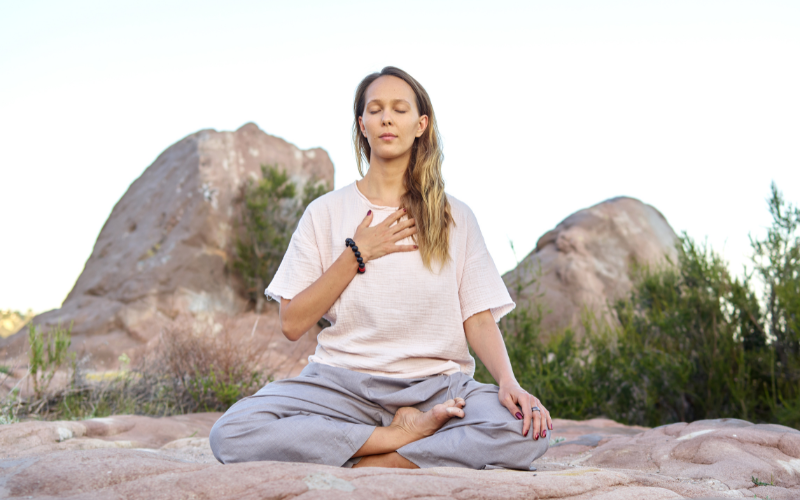
Self-care is a cornerstone of managing panic attacks. Incorporating regular physical activity, maintaining a balanced diet, and ensuring adequate sleep can enhance overall well-being and resilience against anxiety. Yoga, meditation, and other relaxation techniques can also be effective in reducing the frequency and intensity of panic attacks.
Limiting caffeine, alcohol, and other stimulants that can exacerbate symptoms is another critical step. Instead, focus on nurturing the body and mind through restorative practices and hobbies that bring joy.
ALSO READ: The Busy Person’s Guide To Meditation In Singapore
Seeking Help: When To Act
If panic attacks are interfering with your daily life, it is vital to seek professional assistance. While occasional stress and anxiety are part of life, recurrent or severe panic attacks require attention. A trained therapist or counsellor can provide tailored strategies to help regain control and improve mental health.
Conclusion
Panic attacks can be overwhelming, but understanding their causes, symptoms, and coping strategies can empower individuals to manage them effectively. By seeking help, building a support system, and practising self-care—such as incorporating regular meditation and relaxation into your routine it is possible to reduce their impact and lead a fulfilling life. Remember, you are not alone in this journey, and resources are available to support you in Singapore and beyond.
Visit Taste of SG for delicious food finds, more diet-friendly guides, and lifestyle tips to savour daily.