

In the evolving world of dietary preferences, the flexitarian diet has gained significant attention as a sustainable and health-conscious way of eating. Combining the benefits of vegetarianism with the occasional inclusion of meat and animal products, this flexible approach to food offers an appealing middle ground for those looking to make healthier choices without strict dietary restrictions. It also opens the door to exploring a wider variety of plant-based options, including vegan food, without fully committing to a vegan lifestyle.
Let’s explore what it means to be a flexitarian, the benefits of this lifestyle, and how to incorporate flexitarian foods into your diet.
Understanding The Flexitarian Diet
The term “flexitarian” is a blend of “flexible” and “vegetarian”, and it describes a semi-vegetarian approach to eating. Unlike strict vegetarians or vegans, flexitarians don’t eliminate meat entirely but choose to consume it sparingly. This diet primarily emphasises plant-based foods such as fruits, vegetables, legumes, whole grains, nuts, and seeds, while allowing occasional servings of meat, fish, and other animal products.
Becoming flexitarian doesn’t require adhering to rigid rules. Instead, it’s about making mindful choices to prioritise plant-based eating most of the time while enjoying the flexibility to include non-vegetarian items as desired. This approach makes the diet more sustainable and easier to adopt for individuals transitioning from a more traditional, meat-heavy diet.
The Benefits Of A Flexitarian Diet

One of the main reasons people gravitate towards the flexitarian diet is its numerous health and environmental benefits. By prioritising plant-based meals, flexitarians often experience improved heart health, lower cholesterol levels, and reduced risk of chronic diseases such as diabetes and hypertension. The inclusion of fibre-rich fruits and vegetables also supports digestive health and promotes weight management.
From an environmental perspective, reducing meat consumption contributes to a smaller carbon footprint. The production of plant-based foods generally requires fewer resources and generates less greenhouse gas emissions compared to livestock farming. As a result, adopting a flexitarian lifestyle aligns with the growing global movement towards sustainability and ethical eating.
Additionally, the flexitarian diet’s flexible nature makes it accessible to a wide range of people. It allows individuals to enjoy the nutritional benefits of both plant-based and animal-based foods without feeling deprived or restricted.
Flexitarian Foods: Non-Vegan and Vegan Food To Include
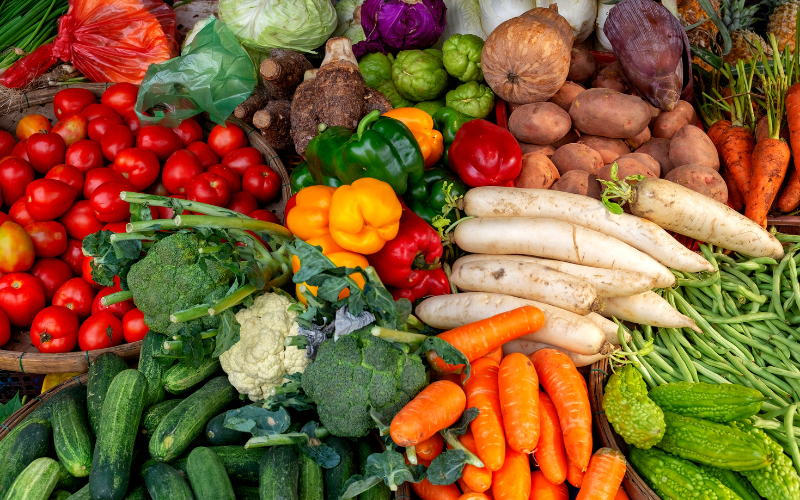
Flexitarian foods focus on plant-based options that are both nutritious and versatile. Fruits and vegetables should form the foundation of your meals, offering essential vitamins, minerals, and antioxidants. Whole grains such as quinoa, brown rice, and oats provide complex carbohydrates and fibre, while legumes like lentils, chickpeas, and black beans are excellent sources of protein and iron.
Nuts and seeds, including almonds, chia seeds, and flaxseeds, add healthy fats and a satisfying crunch to your meals. Dairy products like yoghurt and cheese, along with eggs, can also be included for additional protein and calcium. When choosing meat or fish, opt for high-quality, sustainably sourced options and consume them in moderation. For instance, a flexitarian dinner might feature a hearty lentil soup paired with a small portion of grilled salmon.
Incorporating vegan food options like plant-based meat alternatives, such as tofu, tempeh, and plant-based burgers, is another way to diversify your diet while reducing reliance on animal products. These alternatives often mimic the taste and texture of meat, making them appealing to those transitioning to a flexitarian lifestyle.
CHECK OUT: Fountain Of Youth: Foods That Promote Longevity
Tips For Becoming Flexitarian
If you’re considering becoming flexitarian, start by gradually increasing the amount of plant-based meals in your diet. You don’t need to overhaul your eating habits overnight. Begin with meat-free days or swap out meat for plant-based proteins in your favourite dishes. For example, try a vegetable stir-fry with tofu instead of chicken or a bean-based chilli instead of one made with minced meat.
Experimenting with new recipes and flavours can make the transition enjoyable and exciting. Explore international cuisines that naturally emphasise plant-based ingredients, such as Mediterranean, Indian, or Thai dishes. Stock your pantry with a variety of herbs, spices, and condiments to enhance the flavours of your meals.
It’s also essential to plan your meals to ensure you’re meeting your nutritional needs. A well-balanced flexitarian diet should include sufficient protein, healthy fats, and carbohydrates. Consulting a nutritionist or dietitian can help you create a customised meal plan that aligns with your goals and preferences.
Flexitarianism And Social Eating
One of the advantages of the flexitarian diet is its adaptability in social settings. Unlike strict dietary plans, it allows for flexibility when dining out or attending gatherings. You can enjoy a variety of dishes without feeling restricted, making it easier to maintain the diet in the long term. For example, if you’re at a barbecue, you can opt for a smaller portion of grilled chicken while filling your plate with salads and vegetable sides or even vegan food options which are widely available.
This flexible approach also makes it easier to communicate your dietary preferences to friends and family. By explaining that you prioritise plant-based foods but are open to occasional servings of meat or fish, you can navigate social situations without difficulty.
Conclusion
The flexitarian diet offers a balanced and sustainable approach to eating that prioritises health, environmental consciousness, and personal flexibility. By incorporating a variety of plant-based foods while allowing occasional indulgence in animal products, this diet strikes the perfect balance for those seeking to make healthier choices without feeling constrained. Becoming flexitarian is not about perfection but about making mindful decisions that benefit both your well-being and the planet. Whether you’re taking the first steps towards reducing
meat consumption or looking for a long-term lifestyle change, the flexitarian diet provides a practical and enjoyable way forward.
Visit Taste of SG for flexitarian recipes, dining tips, and nutrition advice to help you embrace a flexible, flavourful approach to healthy eating in Singapore