

French restaurants conjure images of elegance—immaculately plated food, white linen service, and a dining room that whispers refinement. But, for first-time diners unfamiliar with French culinary traditions, especially in cities like Singapore, London, or New York, the experience might be overwhelming. The customs, menu structure, service pacing—these elements follow a rhythm that can be unfamiliar to outsiders.
However, French eatery culture is not meant to intimidate. It is built on intentionality: every dish, pour of wine, and pause between courses is designed to create a rich, satisfying experience. Diners outside of France can appreciate the artistry and enjoy their meal more easily if they understand a few essential features of the culture.
Learn the essential customs of French restaurant culture—from dining flow and wine pairings to service structure, etiquette, and tipping norms—helping beginners navigate with confidence and a touch of savoir-faire.
Understanding the Flow of a French Meal
At the heart of French dining lies gastronomie—a cultural philosophy that views meals as a celebration of food, time, and company. French dining establishments uphold this structure, even when replicated abroad, emphasising respect for the eating experience above speed or convenience.
The pace of the meal is deliberate. Whether in a casual brasserie or a fine-dining venue, French meals are not meant to be rushed. Lunch may last over an hour; dinner can span multiple courses across two or three hours. This tempo allows conversations to unfold naturally, courses to be savoured fully, and the body to digest gradually. It is a stark contrast to dining cultures where speed is prized.
Meal structure typically includes multiple courses: a starter (entrée), a main (plat principal), and a dessert. Many French restaurants abroad offer fixed-price menus (prix fixe) highlighting seasonal ingredients and maintaining a logical flavour progression. These menus often start with an amuse-bouche (a complimentary bite to whet the palate), followed by the courses, with optional add-ons such as a cheese plate or a pre-dessert sorbet. Some venues also offer an extended tasting menu (menu dégustation), especially in fine-dining environments.
Bread plays a supporting role. Bread, in the French tradition, is not meant to fill you before your meal but rather to complement it—especially to absorb sauces. It may be used alongside cheese, foie gras, or soups but is not eaten like a snack. Most French restaurants will discreetly replenish your bread basket as needed.
The dining experience is elevated when each course is given space and focus. There is often no pressure to order quickly or leave once your meal is over—tables are usually booked per seating, not turned over rapidly.
ALSO READ: Savour The Moment With These 6 Best Budget Restaurants In Singapore
How to Read a French Menu Abroad
Menus at French restaurants, even outside France, often retain the traditional structure and French culinary terms, especially in establishments that strive to maintain authenticity. Understanding these basic terms will make the ordering process easier:
- Entrée – Starter (not the main course as used in American English)
- Plat principal – Main course
- Fromages – Cheese course
- Dessert – Sweet course to finish
- Amuse-bouche – Complimentary starter from the chef
- Menu dégustation – Tasting menu
- À la carte – Ordering individual dishes
- Prix fixe – Set menu with a fixed price
Signature dishes commonly found on menus include foie gras (duck or goose liver), coquilles Saint-Jacques (scallops in cream sauce), boeuf bourguignon (beef stewed in red wine), and tarte Tatin (an upside-down caramelised apple tart). These are often prepared with precision and rooted in regional French tradition.
Chefs often prefer that dishes are unaltered unless due to allergies or serious dietary restrictions. Asking to remove ingredients or change preparation styles may be seen as disrupting the dish balance. Trust in the chef’s choices is expected, particularly in higher-end French restaurants.
Service Structure and Staff Hierarchy
Service in French restaurants is designed to feel effortless, though it is usually highly structured. Even outside France, many French eateries mirror the traditional brigade de salle, or dining room brigade system, which ensures every guest receives consistent and attentive care.
Key roles you might observe:
- Maître d’hôtel: Oversees the dining room and reservations, welcomes guests, handles complaints, and may offer recommendations or manage dietary needs.
- Chef de rang: Your primary server, responsible for taking your order, serving dishes, and ensuring you’re comfortable.
- Commis de rang: Assists the chef de rang by clearing plates, topping up water, and resetting tables.
- Sommelier: Manages the wine list and helps diners choose appropriate pairings.
The French service style is professional, efficient, and discreet. Staff members avoid unnecessary interruptions and rarely hover. Don’t be surprised if they refrain from making small talk or “checking in” repeatedly—this is not coldness but a mark of professionalism.
Rather than gesturing or calling out for attention, eye contact or a raised eyebrow is enough to catch a server’s notice. You’re encouraged to relax, enjoy your meal, and speak when you need something.
Wine Pairings and Beverage Traditions
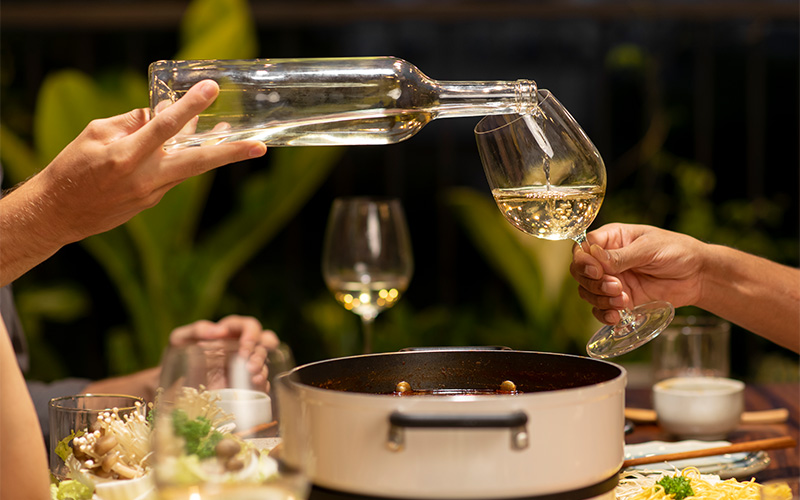
Wine is not an afterthought in French dining—it is an integral part of the experience. French restaurants worldwide pay careful attention to their wine lists, often showcasing regional selections (e.g., Bordeaux, Alsace, Loire Valley) or grape varietals.
Pairing wine with food is customary. Many prix fixe menus include recommended wine pairings per course, and sommeliers are available to help you choose bottles or glasses based on your meal. Their role is not just to sell wine but to elevate your culinary experience.
Some pairing basics:
- Shellfish or light fish dishes go well with white wines like Chablis or Sancerre.
- Duck or lamb pairs well with full-bodied reds such as Burgundy or Rhône blends.
- Creamy dishes are complemented by lightly oaked whites.
- Cheese courses might include fortified wines like Port or sweet wines like Sauternes.
Apéritifs and digestifs are also part of the tradition. A light apéritif (e.g., Kir, pastis, or champagne) is often taken before the meal to stimulate the appetite. After dessert, diners may be offered a digestif such as Cognac, Armagnac, or herbal liqueurs to close the meal.
Coffee is served after dessert, typically as an espresso. Don’t ask for milk-based coffee like lattes after your meal—it’s not standard in traditional French service and may not be available.
ALSO READ: A Guide To The Perfect Night Out In Singapore: Cafés, Clubs & Comedy
Tipping Norms at French Restaurants Outside France
One of the most confusing aspects for diners unfamiliar with French culture is tipping—particularly since tipping standards vary widely by region.
In France, a 15% service charge is included by law (service compris), and leaving additional money is purely optional. However, this rule does not apply globally.
When dining at French restaurants abroad:
- In the UK, a 10–12.5% service charge is often added to the bill. If not, a 10–15% tip is customary.
- In Singapore, tipping is not a strong tradition. A 10% service charge is often included, and there is no expectation for an extra tip unless the service is exceptional.
- In the US, tipping is mandatory—18–20% is expected for seated meals.
- In Australia or New Zealand, tipping is discretionary but appreciated, typically 10%.
Always check the bottom of your bill for a service charge. You are not obliged to tip further unless you feel compelled to reward extraordinary service if one is already included. A modest tip in line with the host country’s norms is appropriate if not included.
Etiquette and Dining Behaviour
French dining etiquette focuses on respect—towards the food, the staff, and fellow diners. Even abroad, French restaurants maintain this ethos, and first-time guests benefit from knowing the basic do’s and don’ts.
Do:
- Wait to be seated by staff.
- Keep your hands above the table (not on your lap).
- Use utensils throughout the meal—finger food is rarely appropriate.
- Place your cutlery parallel on the plate to signal you’ve finished.
- Keep your phone silent and off the table.
- Dress appropriately. Business casual is a safe minimum in many venues.
Avoid:
- Asking to split the bill at fine-dining establishments—this may not be accommodated.
- Making excessive noise or gestures to attract staff.
- Rushing through your meal or asking for the check too soon.
- Modifying your order extensively unless necessary for allergies.
Small details—like saying bonjour upon entering or merci when being served—go a long way, even in non-French-speaking countries. Courtesy is central to the dining experience.
Regional Menus and Global Fusion
Many French restaurants outside France lean into regional culinary identities, offering menus inspired by Provence, Burgundy, Alsace, or Brittany. Each region offers its own ingredients, preparation methods, and wine pairings.
- Provence: Olive oil, tomatoes, herbs, and seafood
- Alsace: Pork-heavy dishes, sauerkraut, and flammekueche
- Burgundy: Red wine stews, mushrooms, and game meats
- Normandy: Cream-based sauces, apples, and seafood
Many French chefs in cosmopolitan cities blend these traditions with local flavours and ingredients. For instance, French restaurants in Singapore may incorporate Southeast Asian herbs, while those in California might use locally sourced organic produce. This respectful fusion allows French cuisine to remain relevant and exciting across different cultural landscapes.
ALSO READ: Singapore’s Chinese Food Heritage: Dishes, Traditions, and Must-Try Restaurants
Final Thoughts for First-Time Diners
Dining at French restaurants outside France offers more than just a meal—it invites you into a cultural experience shaped by centuries of culinary tradition. Understanding the etiquette, flow, and structure of the meal allows you to get more involved in the event.
Whether you’re enjoying a rustic Provençal stew or a multi-course tasting menu, learning how to interpret the menu, approach the service, and participate in the flow of the meal can boost your confidence. Don’t be afraid to ask questions, accept recommendations, and immerse yourself in the ritual.
Once you embrace the rhythm, French dining becomes not only approachable but incredibly rewarding. Bon appétit.
Curious about international cuisine in the city-state? Visit Taste of SG and let us guide you to more local establishments that offer a meal experience worth remembering.