
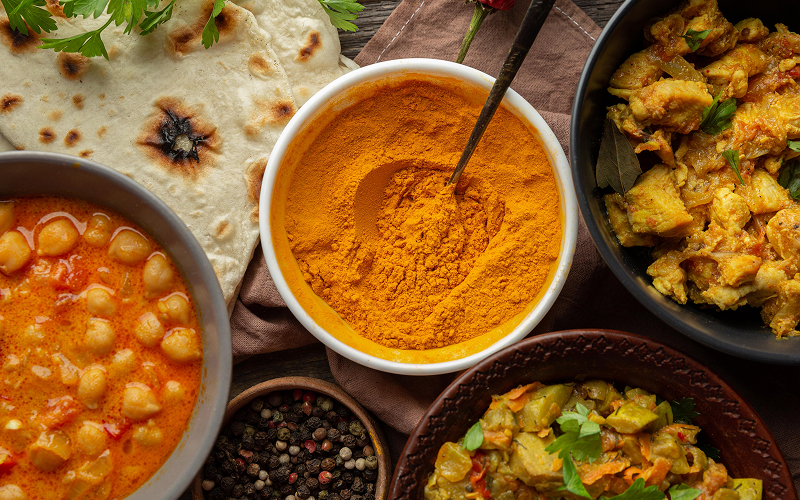
Though everyone devours Indian food for its rich flavour and abundance of variety, few are aware that authentic Indian cuisine is rich in ancient knowledge, focusing on nutritional balance and natural cures. Whether you’re vegetarian, pescatarian, or an omnivore, dining at Indian restaurants in Singapore could support your wellbeing in delightful and unexpected ways.
Healthy Spices
Perhaps one of the most distinctive features of Indian cuisine is its profuse usage of spices. Turmeric, cumin, coriander, ginger, cardamom, and cloves are not merely flavouring agents; they have been used since time immemorial in Ayurvedic medicine for their health benefits. Indian eateries in Singapore usually use these spices in dishes such as curries, biryanis, and dals, with every serving of food being a dose of health.
Turmeric, for instance, has curcumin—a substance with extremely potent anti-inflammatory and antioxidant properties. Ginger supports digestive processes and lessens nausea, and cumin can enhance gut health and metabolism. These restorative qualities are integrated into the very nature of Indian cuisine such that every ingredient plays a role in promoting general well-being.
Vegetarian-Friendly and Plant-Based Delights
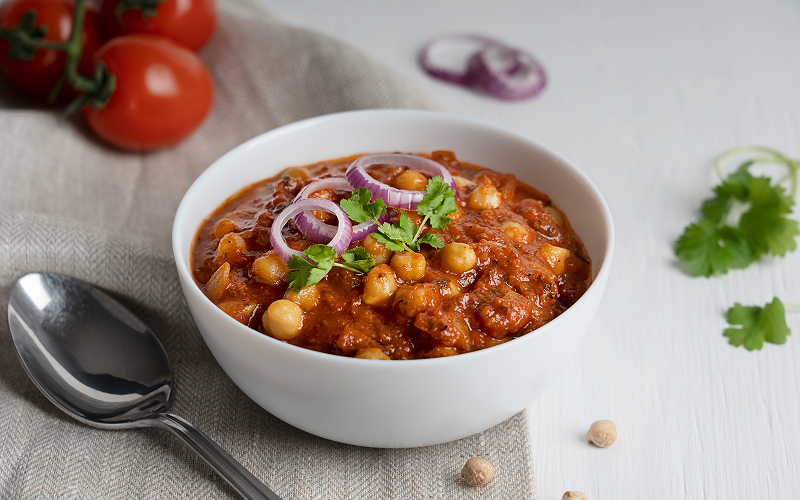
Singapore’s increased passion for plant-based diets has found a match made in heaven in Indian cuisine. Indian food in Singapore is served by most restaurants in the form of a generous list of vegetarian and vegan dishes that are not lacking in taste or nutritional content. Vegetarian and vegan dishes like palak paneer, chana masala, and aloo gobi are high in protein, fibre, and necessary vitamins and minerals.
These dishes are traditionally cooked with legumes such as lentils, chickpeas, and black beans, which are well documented to reduce cholesterol, ensure heart health, and stabilise blood sugar. An abundance of vegetables such as spinach, cauliflower, eggplant, and okra contributes not only flavour but also increases the overall nutrient content of every dish.
Indian vegetarian cuisine too eschews processed foods and is based on fresh fruits and vegetables as well as whole foods. If you want to try healthy Indian food, visiting a restaurant like Komala Vilas in Serangoon Road is a good idea.
Carbs, Protein, and Fibre
Indian food traditionally tends to be well-balanced. Whether it’s a humble thali or a sophisticated tandoori plate, the combination tends to incorporate a healthy balance of carbohydrates, protein, and fibre. Singaporean Indian restaurants typically provide whole wheat rotis, brown rice, or millets with protein-content dals or barbecued meats, washed down with yoghurt, pickles, and vegetable-based accompaniments.
This equilibrium provides sluggish digestion, stable energy levels, and minimised sugar spikes—crucial aspects for weight management and the avoidance of lifestyle diseases. Indian food, if consumed in moderation and cooked with less oil, can become a component of a sustainable and healthy diet.
Moreover, most Indian restaurants in Singapore are increasingly serving healthier versions of favourite dishes by cutting down on oil and resorting to healthier methods of cooking such as grilling or steaming. The trend allows health-conscious consumers to indulge in their favourites without remorse.
Fermented Foods and Gut Health
Fermented foods such as idli, dosa, and curd (yoghurt) are an integral part of conventional Indian diets. Not only are these foods delicious, but they’re great for digestion. Indian restaurants serving food in Singapore commonly feature fermented foods on their menus, which allows customers the chance to add healthy probiotics into their diet naturally.
Probiotic-rich foods assist in the upkeep of a healthy gut microbiome, which is connected with more efficient digestion, improved immunity, and even better mental well-being. Yoghurt, for instance, is a regular accompaniment that assists in digestion and cools the body, particularly when served with spicy curries or rice dishes.
By incorporating these fermented ingredients into dishes, Indian restaurants in Singapore offer not only culinary pleasure but also long-term health advantages through enhanced gut function.
Heart-Healthy Fats and Cooking Oils
Where some cuisines are dominated by butter or lard, Indian cuisine frequently employs better fats. Mustard oil, ghee (clarified butter), and coconut oil are used sparingly and have been linked to many beneficial health effects. Ghee, though a fat, is full of fat-soluble vitamins such as A, D, and E, and is thought to benefit the heart if used carefully.
Indian restaurants in Singapore that adhere to age-old cooking methods usually use these healthy fats to prepare their dishes. These oils are less prone to oxidising and are more heat-stable compared to new vegetable oils, which can lead to inflammation when excessively consumed.
In addition, most chefs are becoming more aware of health trends and are choosing sunflower or olive oils where frying is needed, thus balancing tradition and contemporary health demands.
ALSO READ: First-Timer’s Budget Guide to Healthy New Restaurants in Singapore
Natural Sweeteners and Dessert Options
While Indian food does feature rich sweets such as gulab jamun and jalebi, it also features desserts that use natural ingredients and sweeteners. In Singapore, numerous Indian restaurants provide dishes such as kheer (rice pudding), payasam, or halwa, which tend to be made with the use of jaggery, dates, or coconut sugar rather than white sugar.
Jaggery, on the other hand, is not processed and still contains iron, potassium, and other minerals and hence is a healthier option. These sweets can curb cravings and provide trace nutrients, particularly when eaten in small amounts. The inclusion of whole grains, nuts, milk, and cardamom in desserts makes for a healthier treat compared to most processed versions.
Certain contemporary Indian restaurants in Singapore are even innovating by serving fusion desserts comprising chia seeds, almond milk, and fresh fruit to appeal to an increasingly health-conscious crowd.
Flavour Without the Fat
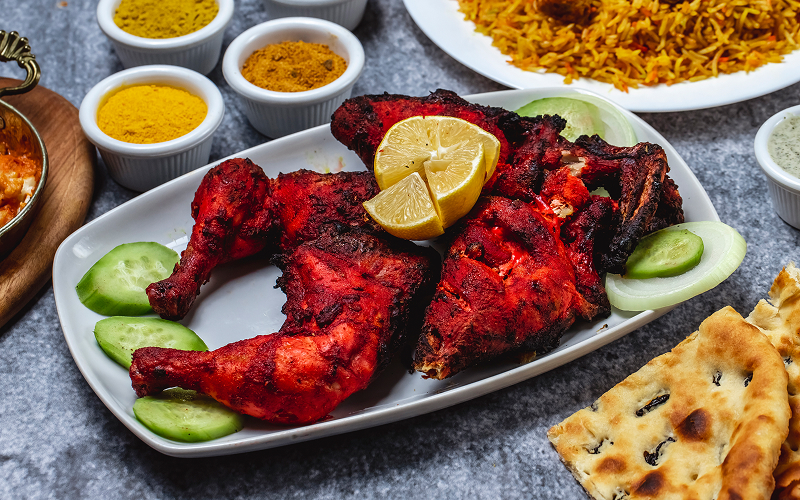
One of the better Indian cooking techniques is tandoori grilling, which smokes food with flavour without using excess oil or fat. Foods such as tandoori chicken, grilled fish, and paneer tikka are marinated in yoghurt and spices and then roasted in a clay oven. This not only seals the nutrients but also leaves a distinctive flavour profile that’s hard to replace.
Tandoori dishes are a favourite at many Indian restaurants in Singapore, offering lean protein and minimal grease. These meals are especially popular among gym-goers and those looking for low-carb, high-protein options without sacrificing taste.
The tandoor also helps retain moisture and natural juices, making the food succulent yet light, ideal for anyone mindful of calorie intake or heart health.
Holistic Dining and Mindful Eating Practices
Indian dining culture has strong roots in conscious eating. The food is usually consumed slowly, seated, and in group form, which aids in digestion and helps control portions. Indian restaurants in Singapore, like Indian Palace, imitate this by creating a warm and hospitable setting that welcomes diners to take their time.
Mindful eating makes the body more efficient at absorbing nutrients and less prone to overeating—a tradition compatible with much contemporary nutritional advice. Indian meal structure, served in courses or compartments, also discourages excess consumption and encourages a sense of fullness.
And there are even restaurants that provide Ayurvedic meals designed for individuals of specific body types (doshas), introducing an extra degree of personalisation and health-consciousness.
Low-Waste and Sustainable Choices
Aside from personal health, Indian food tends to be compatible with sustainable and ethical living. Banana leaves, metal thalis, or reusable trays that minimise plastic usage are utilised by most Indian restaurants in Singapore. Vegetarian dishes further reduce the ecological footprint of eating out.
These sustainability measures have indirect positive effects on health by instilling mindful eating, local produce procurement, and environmentally friendly business practices. Selecting Indian restaurants in Singapore that adhere to these is not only good for individual health, but also for the planet.
Building Immunity With Nutritious Ingredients
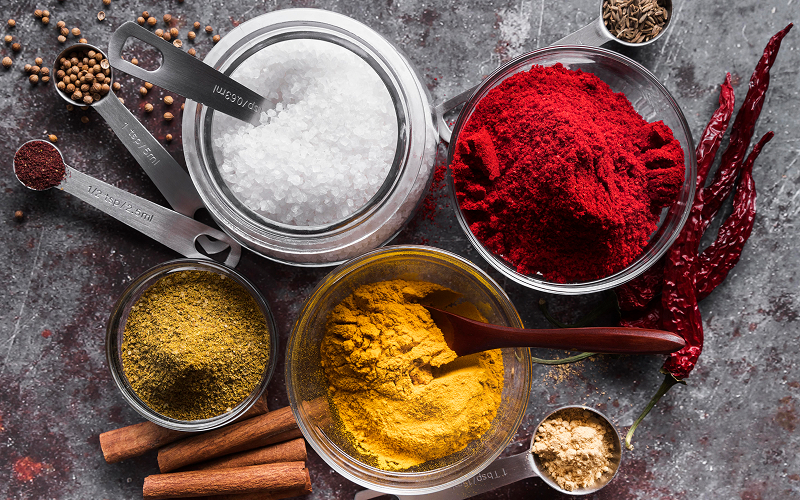
Over the last few years, attention to the development of a good immune system has increased enormously, and Indian food offers numerous natural weapons to aid in this endeavour. Much of what is used in Indian foods here in Singapore has properties that enhance immunity. Garlic, onions, and chillies are common ingredients that include substances such as allicin and capsaicin that assist the body in keeping infections at bay.
Indian recipes also liberally use fresh spices such as coriander, curry leaves, and fenugreek, which are all high in antioxidants and micronutrients. These not only add flavour to the food but also contain essential vitamins and minerals like vitamin C, vitamin A, and folate, which are important for immune function.
Singapore Indian restaurants tend to serve soups, stews, and teas that include tulsi (holy basil), black pepper, and cinnamon—all of which possess antiviral and antibacterial qualities. These age-old ingredients synergistically combine to form comforting yet invigorating meals.
For those looking to strengthen their natural defences through diet, regularly dining at Indian restaurants in Singapore can be an easy and enjoyable way to introduce these superfoods into daily life, especially when prepared with traditional methods that maximise their health benefits.
Conclusion
Whether you’re craving a comforting bowl of dal or a vibrant platter of grilled tandoori kebabs, there are countless reasons to choose Indian restaurants in Singapore for your next meal. From heart-healthy spices and gut-friendly fermented foods to balanced vegetarian dishes and mindful eating environments, Indian cuisine offers more than indulgent flavour—it offers a path to better health.
Dining out does not have to be accompanied by guilt, particularly when the menu supports overall holistic wellness. The next time you’re looking for a healthy and tasty meal, look to discover the diversity and energy of Indian food in Singapore.
Check out Taste of SG to view more articles on healthy living, local food, and wellness tips tailored to the lifestyle of Singaporeans.