
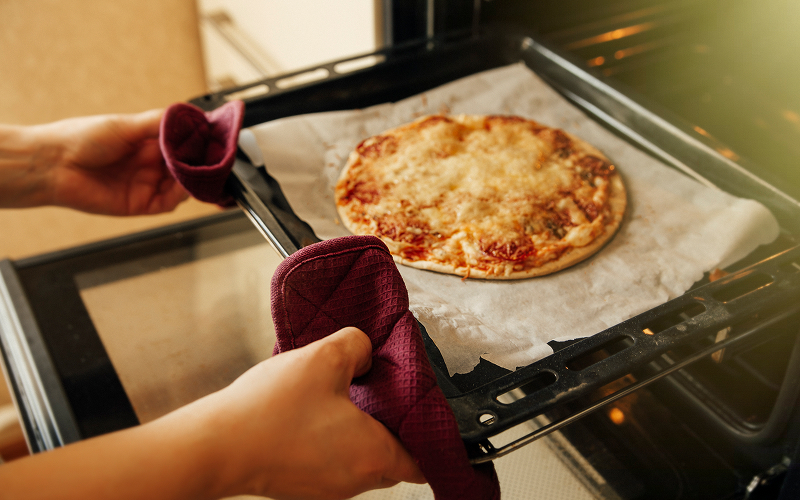
Pizza places have always had one goal: serve hot, tasty pies without keeping customers waiting. But with hungry diners becoming more impatient and food apps setting high standards, kitchens can’t rely on old tricks anymore. Speed and consistency matter, and technology is becoming the secret sauce.
New systems are now handling everything from dough prep to doorstep delivery. These upgrades serve a clear purpose. They help pizza places make fewer mistakes, keep queues short, and maintain freshness from oven to box. While a crispy crust still depends on the right bake, today’s results are also baked into software, sensors, and smarter kitchen tools.
Smart Ovens and Automated Prep Stations
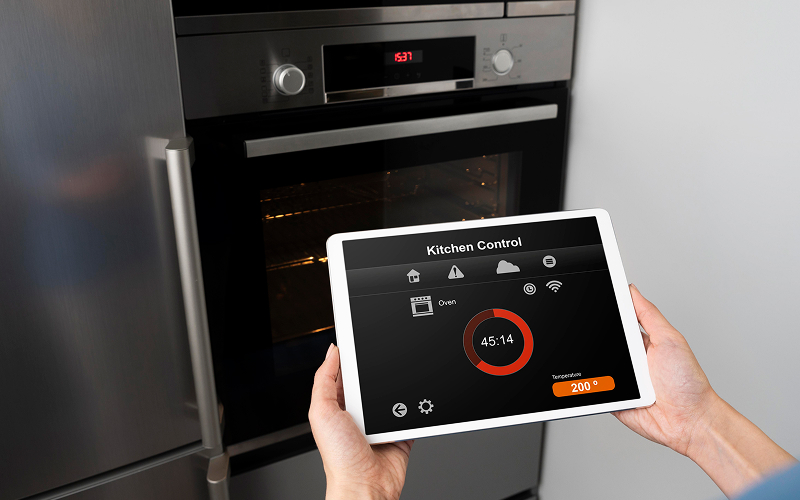
Precision Cooking with AI-Controlled Ovens
Forget the days of peeking into the oven to guess if the crust looks right. AI-powered ovens now use sensors and timers that calibrate temperature and duration for each type of pizza. Whether it’s a thin crust Margherita or a thick pan Supreme, these ovens keep things consistent.
Some models can handle multiple pizzas at once, adjusting heat based on toppings and dough type. This kind of tech might not be flashy but it solves practical kitchen bottlenecks. Faster cooking without overdone cheese? That’s something most pizza places can get behind.
Dough Presses and Ingredient Dispensers That Cut Time
Getting dough evenly pressed and sauce spread just right used to be an art. Now, it’s also a science. Automated dough presses ensure the base comes out even every time. It reduces guesswork and speeds up the first step in pizza making.
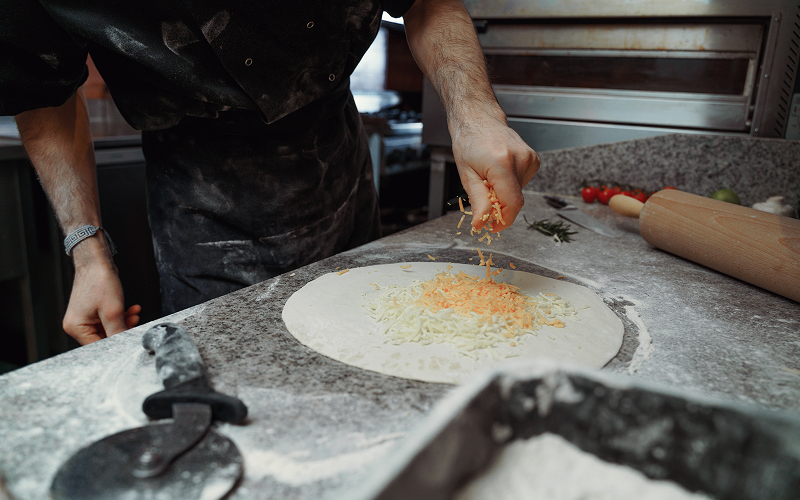
Ingredient dispensers also play a role. Machines can now sprinkle cheese and toppings uniformly. It may seem like a small change, but every second saved adds up during peak hours. Pizza places using these machines report smoother prep and more consistent pies.
Online Ordering Tools That Streamline Service
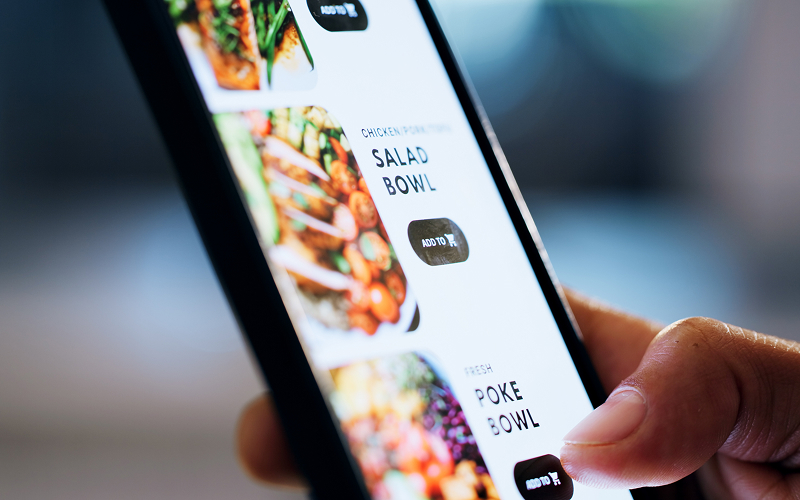
Integrated Websites and Mobile Apps
More diners now order with a swipe than a phone call. Pizza places need systems that take orders and send them directly to the kitchen with fewer steps. Integrated apps and websites reduce mistakes from misheard toppings or incorrect sizes.
These platforms also let customers customise orders easily. Whether skipping olives or doubling cheese, the interface stores preferences and saves them for next time. With orders sent straight to the kitchen screens, there’s less room for error and fewer frustrated customers.
Real-Time Order Tracking for Customers and Kitchens
Ever had a customer call to ask where their pizza is? With GPS tracking and real-time order updates, those calls are less frequent. Customers can now track their delivery from oven to doorstep.
On the kitchen side, these systems allow better prep timing. Staff can prioritise orders that need to go out first. It helps pizza places stay on top of a busy queue and lets customers feel more in control.
CHECK OUT: How Technology Is Changing Healthy Food Delivery Services In Singapore
Contactless Payments and Queue-Busting Systems
Faster Checkouts with NFC and QR Code Integration
Contactless and cashless payment systems have become a staple, especially after recent health scares. But beyond hygiene, they speed up the payment process. Whether tapping a card or scanning a QR code, checkout lines shrink.
Takeaway options now move faster with higher turnover and fewer queues. Many pizza places have also added pay-at-table tech in their dine-in areas to speed up payments and reduce the usual bottleneck at the end of a meal.
Kiosk Ordering to Reduce Counter Congestion
Self-service kiosks are a welcome addition for customers who know what they want. Instead of queueing up, they punch in their choices, pay, and wait for their number to be called. These kiosks help reduce queue pressure and let staff focus on preparing food instead of handling payments.
Self-service kiosks help shorten queues and streamline the dining process, especially during peak hours. In pizza places that serve hundreds of customers a day, they also minimise mistakes from hurried verbal orders.
ALSO READ: Why Singapore’s Best Restaurants Are Going Cashless
Kitchen Display Systems That Eliminate Mix-Ups
Digital Screens That Replace Printed Tickets
Printed order slips can fall, smudge, or disappear. Kitchen display systems (KDS) project orders onto digital screens visible to the whole team. They update in real time and highlight urgent or delayed orders.
Clear digital displays help reduce clutter and improve accuracy. With every order laid out visibly, the chances of missing a topping or selecting the wrong size go down. It’s a simple tweak that improves overall workflow in pizza places.
Coordinated Cook Times for Multiple Orders
Some systems go a step further by coordinating multiple pizzas in one order. If one customer wants three pies, the system ensures all are ready at the same time. It removes the need to juggle tickets manually.
This not only helps the kitchen but also ensures that all pizzas in an order leave hot and fresh together. Pizza places that cater to families or large groups find this feature especially handy.
Inventory Management Tools That Prevent Delays
Predictive Stocking with Real-Time Data
Running out of mozzarella during dinner rush isn’t ideal. Inventory tools now give real-time stock updates and alert staff before supplies dip too low. Some even predict demand based on past sales, day of the week, or weather.
By analysing this data, kitchens can prep ingredients ahead of time, avoiding last-minute supplier runs. It also leads to more accurate ordering, helping pizza places cut down on waste.
Avoiding Ingredient Shortages Without Waste
Software now tracks usage trends and suggests restock levels. If a pizza place sees a spike in pepperoni on weekends, the system notes it and adjusts supply recommendations.
This stops over-ordering and keeps fridges from being crammed with unused ingredients. It’s a practical balance of saving costs and staying ready.
Delivery Tech That Keeps Pizza Hot and On Time

GPS and Route Optimisation for Drivers
GPS now plays a role beyond navigation. Delivery software now picks the fastest routes based on real-time traffic. It can also batch orders going to the same area.
With route software in place, deliveries are more punctual and customers are happier. Drivers save time and fuel, and meals reach the door while still hot, which is exactly what pizza places aim for.
Insulated Smart Bags That Retain Heat
Some delivery bags now have built-in heating elements or layers designed to retain warmth. Combined with route optimisation, these bags keep pizzas closer to oven temperature when they arrive.
The goal is simple: customers shouldn’t need to reheat their food. Pizza places benefit from better reviews and repeat business.
Customer Feedback Systems That Improve Every Slice

Digital Surveys and Review Tracking
Feedback matters, and it’s easier than ever to collect. Apps and receipts often prompt customers to rate their experience. This real-time data can highlight consistent issues.
This allows action to be taken before complaints start building up. Whether it’s soggy crusts or slow service, picking up on early signals gives pizza places a head start on fixing issues.
Adapting Menus Based on Real-Time Input
Some platforms analyse reviews and ordering habits to suggest changes. If a topping is consistently left off or gets low ratings, it might be worth reconsidering.
They can trial limited menu items, tweak recipes, and track how customers react. This way, pizza places will rely less on guesswork and more on real-time feedback.
ALSO CHECK OUT: How AI is Changing the Way We Get Food Recommendations
Franchise-Wide Tech Integration for Quality Control
Uniform Systems Across Locations
For chains, consistency is key. A Margherita in one branch should taste the same as in another. Tech platforms now unify kitchen processes, stock orders, and prep guidelines.
Multiple outlets under the same brand can be monitored from a central hub, allowing pizza places to roll out updates and improvements consistently across all branches.
Centralised Monitoring and Reporting Tools
Managers can now access live dashboards showing order volumes, prep times, and feedback scores. It’s easier to spot underperforming branches or peak-hour bottlenecks.
These insights let teams act before problems become patterns. For growing pizza places, this data-backed control helps scale operations without losing grip.
The Future of Pizza Places: What’s Cooking Next?
Robotics, AI Menus, and Voice Ordering
Robotic arms flipping dough? AI predicting your topping combo? These aren’t dreams, they’re being tested. Voice ordering is also making its way into apps and smart home devices.
Some pizza places are already experimenting with these tools to see how they fit real kitchen routines. These tools help manage repetitive tasks more efficiently, allowing staff to focus on quality and service.
How Pizza Will Keep Getting Quicker and Tastier
Tech upgrades aim to speed things up without changing the taste people expect. Whether that means better heat retention, smarter ingredient use, or faster checkout, the goal is a smooth, satisfying experience.
By embracing technology, pizza places can stay ahead. The aim is to match modern customer expectations while maintaining reliable and consistent service.
Order Smarter, Eat Hotter
Tech is changing how pizza gets from dough to doorstep. With every upgrade, pizza places are trimming queues, cutting prep time, and keeping their ovens firing at the right pace. Customers enjoy shorter waits, accurate orders, and pizzas that arrive warm and ready to eat.
From smart ovens to delivery tracking, every tool has a job, and it’s working quietly behind the scenes to improve speed and taste without overcomplicating things. The result? Pizzas that stay fresh and kitchens that don’t fall behind during dinner rush. Visit Taste of SG to check out the smartest spots to grab a slice or upgrade your next takeaway order.