
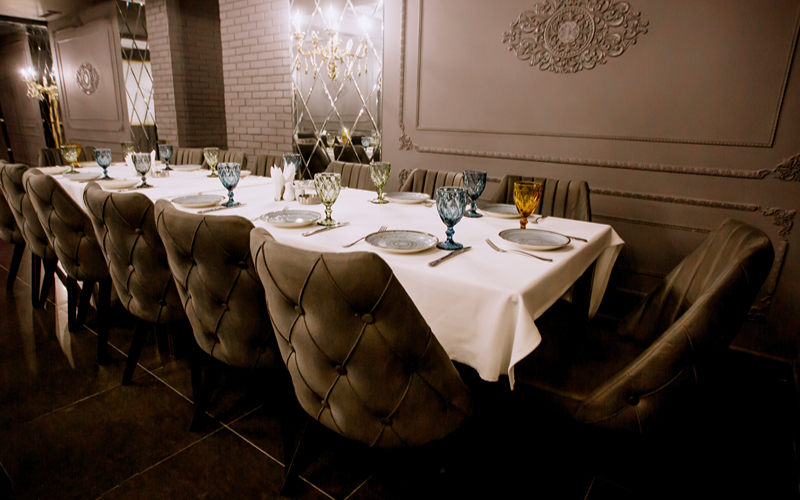
Singapore’s dining scene thrives on the power of taste. Chefs consistently push flavour boundaries while preserving local familiarity. Each plate tells a story, offering balance, contrast, and clarity. In the top dining in Singapore, taste never comes second. From hawker centres to upscale kitchens, every element earns its place.
Diners constantly seek out establishments presenting bold flavours without overcomplication. Taste, above all else, drives loyalty and reputation. Across food districts, visitors notice kitchens leaning into umami-packed broths, caramelised sauces, and thoughtfully seasoned mains. These decisions define how Singapore stays ahead in Southeast Asian cuisine.
Dining venues succeed by refining signature flavours. Chilli crab, laksa, and satay deliver dependable satisfaction, but the best dining spots elevate these staples without losing identity. Through marinades, slow-cooked components, and house-made blends, chefs achieve remarkable impact. Top dining in Singapore doesn’t rely on gimmicks—it serves flavour that stays with you long after the meal.
Premier Dining Landmarks: Top Spots Defining Singapore’s Style
The reputation for a ‘top dining in Singapore’ depends on luminary destinations that combine vision, precision, and acclaim. Below lie a few of the most lauded names:
Burnt Ends
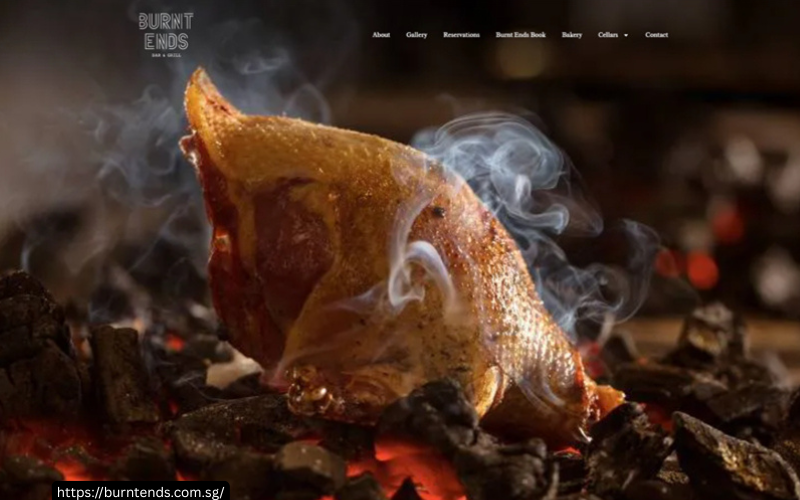
Burnt Ends delivers raw energy in a refined setting. Chef‑owner Dave Pynt runs an open‑concept kitchen located at Dempsey Road, centred around a custom four‑tonne brick kiln and elevation grills, giving each dish smoky depth and texture. Menus shift daily to reflect seasonal produce and clever pairings, while meats and fish find balance through wood‑fire technique and curated Australian wines. Its retention of a Michelin star confirms its commitment to consistency. Patrons enjoy theatre in every course, watching flames, hearing sizzles, and sampling bold compositions that carry emotional and gustatory weight.
Candlenut
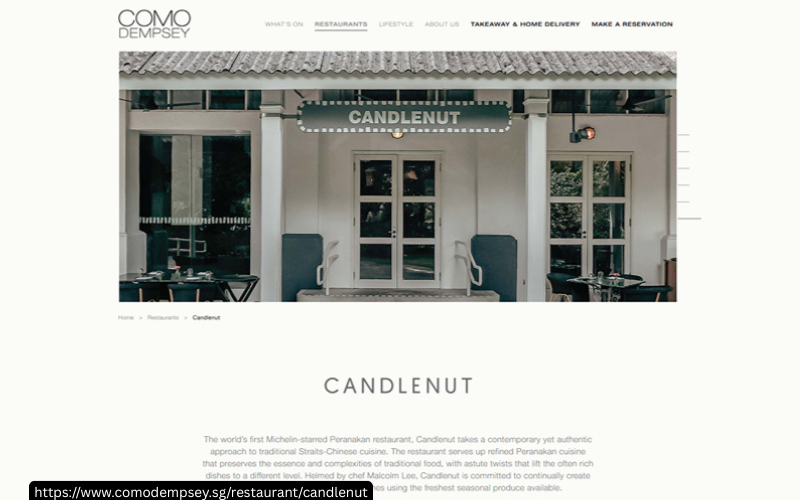
Candlenut, also located at Dempsey Road, claims distinction as the world’s first Michelin‑starred Peranakan restaurant. Chef Malcolm Lee reimagines Straits‑Chinese cuisine with clarity and restraint. Instead of overloading flavour, he pares back richness and emphasises harmony through fragrant spices, heritage ingredients, and modern plating. Tasting menus of ten-plus courses rotate every two months, featuring small bites and reinterpreted classics such as Babi Buah Keluak and nonya kueh in elevated form. Its communal service style and airy ambient design reinforce connection and heritage.
Chatterbox
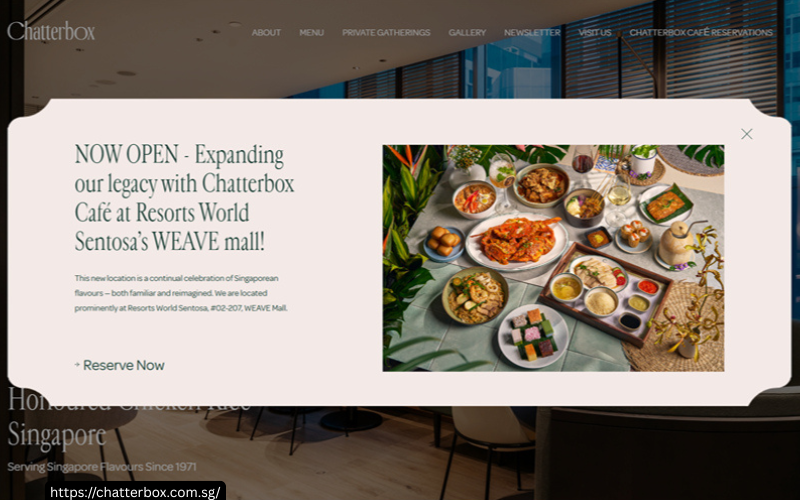
Chatterbox anchors itself not in the avant-garde but in perfected tradition. Located in Hilton Singapore Orchard, it became iconic for executing Hainanese chicken rice with remarkable precision. Only six chefs know its secret recipe, and the jasmine rice is steamed with ginger, garlic, and pandan, reaching aromatic clarity. Its longevity since 1971 reinforces its role in Singapore’s culinary memory. Beyond chicken rice, its menu includes lobster laksa and salted egg chicken wings, but its strength lies in making comfort food familiar yet elevated.
Encore by Rhubarb
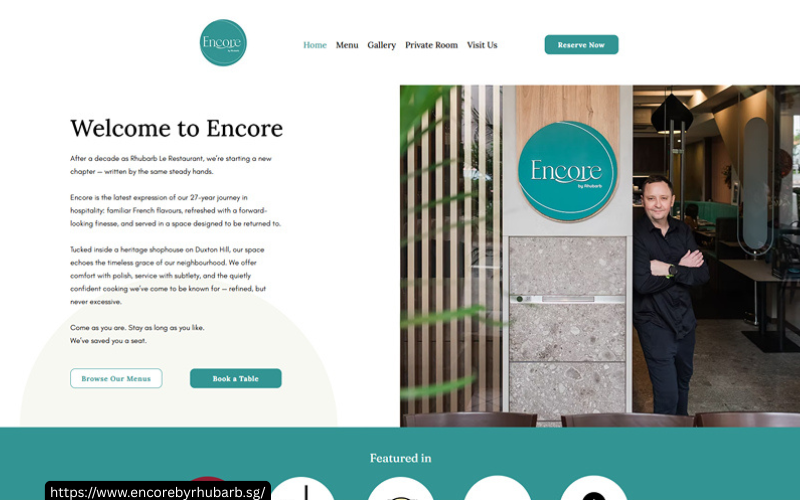
Encore by Rhubarb, formerly known as Rhubarb Le Restaurant, brings contemporary French cuisine into a boutique scale with quietly confident technique that meets approachable pricing. Located on Duxton Hill, its menu remains compact but sharp. Signature pigeon with rhubarb and rose purée exemplifies the balance between French finesse and delicate flavour. The kitchen formerly held a Michelin star; during its previous iteration, the culinary team behind Encore maintained the same precision and integrity. Its warm, unpretentious setting invites diners into a calm, immersive experience. Each plate unfolds with clarity, showcasing modern French sensibility shaped by deliberate technique.
Each of these establishments drives top dining in Singapore via a clear identity: Burnt Ends through smoke and boldness, Candlenut through heritage and reinterpretation, Chatterbox via enduring mastery of a single dish, and Rhubarb by refined restraint. They illustrate how taste, technique, and tradition converge in the Singaporean gastronomic landscape.
Showcasing Technique from Kitchen to Plate
Technique separates top dining in Singapore from fast fads. Local kitchens master consistency, temperature control, and plating precision. Whether searing scallops or folding xiao long bao, technique reveals discipline and excellence. Chefs embrace both traditional methods and modern cooking tools to create texture, depth, and elegance.
Kitchens leading the culinary scene prioritise training. Junior staff follow protocol under executive supervision. They replicate sauces down to ratios, maintain knife skills, and uphold hygiene standards. Patrons experience the result on every plate—hot food arrives warm, cold dishes stay crisp, and garnishes contribute more than appearance.
Precision carries over to how dishes are structured. Layering textures, balancing spice levels, and fine-tuning acid make all the difference. Execution becomes just as crucial as ingredients. In the world of top dining in Singapore, every bite should offer a consistent finish—never undercooked, overseasoned, or imbalanced.
Sushi counters, teppanyaki stations, and Peranakan kitchens depend on the process. Their reputation holds only because of strict technique. Singapore’s culinary pride lies in mastering methods, not chasing convenience. That’s what sustains its relevance in global dining conversations.
ALSO READ: Dining On A Budget: Singapore Hawker Centres
Honouring Culinary Tradition with Purpose
Dining establishments succeed in Singapore by honouring tradition without remaining stagnant. Cooks work with recipes passed down for generations while adapting methods to modern demands. From slow-braised beef rendang to charcoal-roasted duck, traditions earn respect by staying rooted yet evolving.
The most respected chefs maintain cultural references in their menus. They use heirloom recipes, regional ingredients, and heritage spices. They avoid reinventing for trend’s sake. Instead, they amplify identity where it focuses on memory and authenticity. That effort makes top dining in Singapore feel familiar and new at once.
Tradition also anchors hospitality. Service teams train to engage customers with warmth and clarity, following local etiquette. Many restaurants continue to serve dishes family-style, encouraging conversation and shared experience.
Culinary traditions influence everything from cutlery use to dining room layout. Whether hosting intimate tasting menus or family gatherings, restaurants allow tradition to lead the rhythm. Singapore earns culinary trust by staying loyal to its roots while still keeping up with the world.
Singapore’s food scene tells stories through flavour, precision, and cultural insight. Dining here means more than filling plates; it adjoins centuries of influence, community, and culinary pride.
Explore more insights into food, fitness, technology, and lifestyle. Visit Taste of SG for curated guides on top dining in Singapore and how locals are shaping its evolution.