
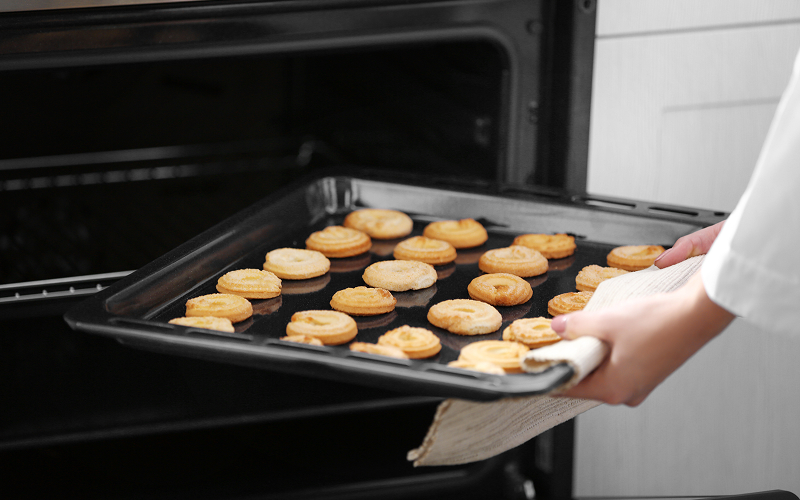
Baking today runs on timing, control, and consistency. From early prep to the final bake, reliable machines help keep each tray on schedule and each batch steady. Ovens, mixers, and scales form the backbone of daily work, handling precise tasks that support long hours and repeat production.
Why Modern Bakeries Lean on Machines That Think
Running a bakery involves tight margins, early mornings, and little room for error. High ingredient costs and steady demand mean bakers in Singapore rely on tools that offer control and consistency. Smart kitchen machines help reduce guesswork while keeping outputs steady across long production hours.
Digital displays, programmable settings, and data storage appear across many commercial bakery tools today. These features help track temperatures, speeds, and timing with clarity. The shift has practical roots. A bakery producing the same loaf hundreds of times a week benefits from repeatable settings rather than constant manual checks.
ALSO READ: 8 Must-Have Baking Tools And Gadgets For Beginners and Pros
Smart Ovens That Handle Heat With Care
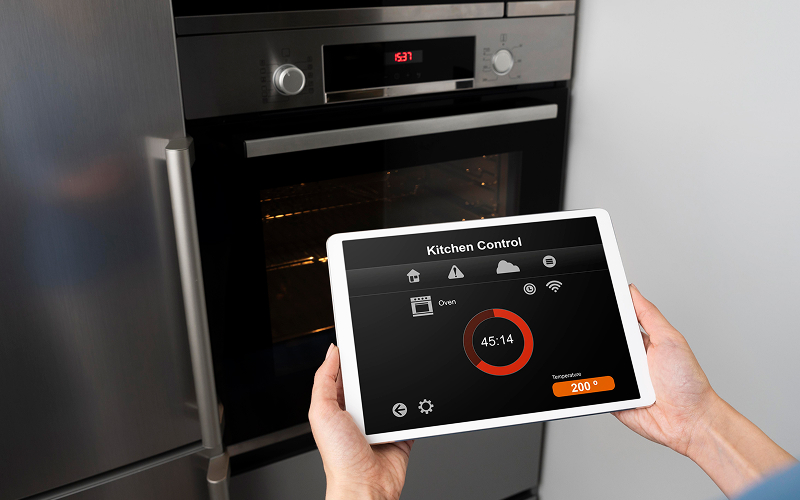
Multi-Zone Temperature Control
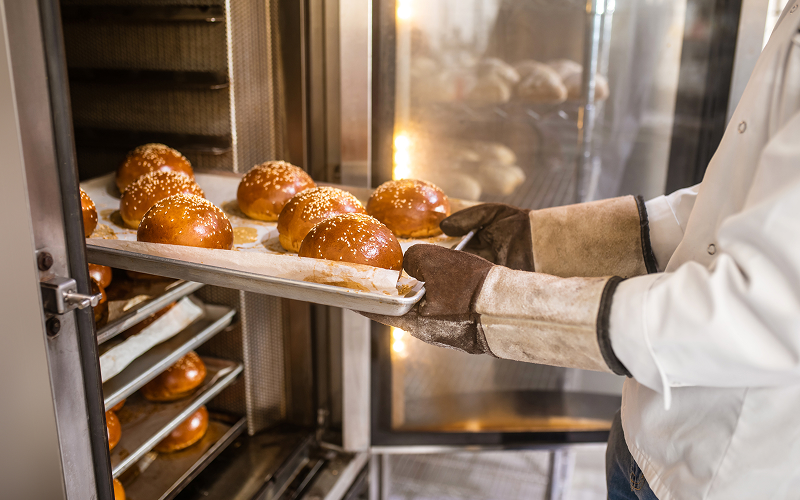
Deck and convection ovens now include sensors that track heat distribution across different zones. This matters when baking trays load unevenly. A sensor-led system can adjust power to maintain stable temperatures, reducing underbaked corners or dry crusts.
This type of oven suits compact kitchen spaces commonly used by bakers in Singapore, where every tray count matters. Electricity usage data from manufacturers shows energy savings through regulated heat cycles, which supports long operating hours without surprise costs.
Programmable Baking Cycles
Many ovens store multiple recipes with set timing and humidity controls. Once programmed, staff can run the same cycle each day with minor adjustments. Consistency improves while training time drops. Less explaining, more baking.
Mixers Built for Precision and Longevity
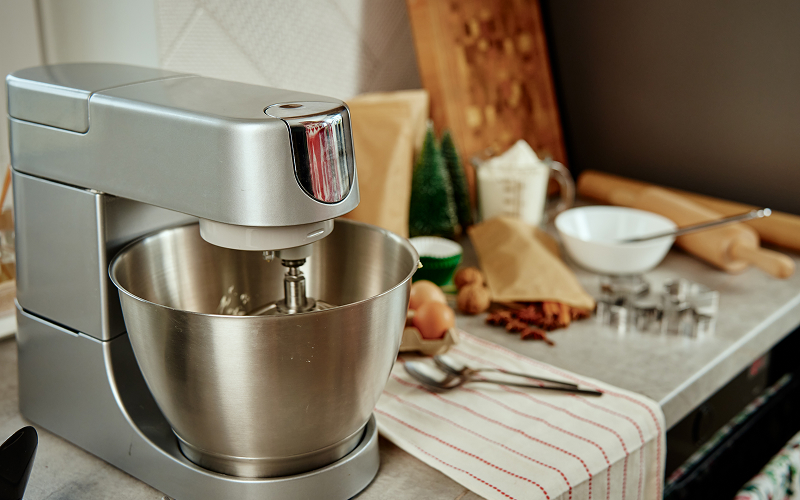
Variable Speed Controls
Commercial stand mixers now offer precise speed increments rather than broad low to high switches. Dough hydration changes mixing needs, and fine controls allow better gluten formation without overworking the batch.
Handling diverse menus that range from soft buns to dense loaves becomes easier for bakers in Singapore with this level of control. Equipment manuals often include torque ratings and load limits, giving teams clear guidance on batch sizes.
Integrated Safety Sensors
Modern mixers include bowl detection and overload sensors. These stop the machine if the bowl sits incorrectly or the dough strain climbs too high. Fewer breakdowns keep production steady and reduce repair downtime.
Digital Scales That Keep Portions Honest
High-Accuracy Weight Sensors
Digital scales used in bakeries often measure down to one gram or less. Small changes in salt or yeast can affect fermentation rates, so accuracy saves batches. Studies from food science labs confirm that precise ingredient ratios reduce variation in crumb structure.
During peak hours, reliable scales matter to bakers in Singapore when speed starts to challenge accuracy. A stable scale keeps portions fair and recipes faithful.
Simple Readouts That Speed Things Up
Most commercial scales focus on clear screens and stable readings rather than extra functions. Clear numbers and quick readings help bakers weigh ingredients fast during busy prep hours. Your hands will keep moving, and recipes stay on track without added trouble.
Workflow Tools That Keep Production Moving
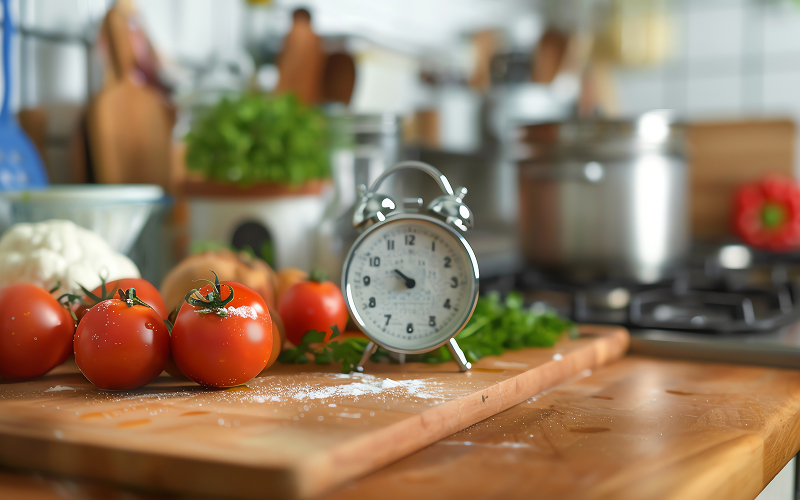
Timers and Visual Alerts
Kitchen timers with clear displays and audible alerts remain a staple in bakery spaces. Wall-mounted timers keep an eye on baking stages across several trays without the need to keep checking the clock. The pace stays steady, tasks stay lined up, and the kitchen runs with fewer interruptions when production picks up.
Visual or sound-based cues help bakers in Singapore manage overlapping tasks while ovens, mixers, and proofers run side by side.
Label Printers and Date Markers
Simple label printers and manual date markers help track prep times for doughs, fillings, and baked items. Clear labelling supports food safety checks and keeps rotation orderly. It also reduces wasted batches caused by missed timing or unclear storage details.
Temperature and Humidity Sensors in Kitchens
Proofing Control Systems
Proofers now come with humidity sensors and digital timers. Proper moisture levels support yeast activity. Consistent proofing creates uniform rise and texture across batches.
Humidity control stays useful for bakers in Singapore when environmental conditions shift through the day. Sensor data helps maintain desired environments without constant door opening or manual testing.
Cold Storage Monitoring
Fridges and freezers rely on connected thermometers to watch temperature levels throughout the day and night. When a shift happens, the alert comes through early, giving staff time to respond. Dairy items and pre-fermented doughs stay protected overnight, and the same system keeps a clear record of temperature history. Those logs make routine food safety checks smoother and easier to handle.
Automation Without Losing the Human Touch
Machines now handle measured tasks, but decision-making stays human. Bakers still adjust hydration based on feel, tweak timing by sight, and finish products by hand. Technology serves as a support act rather than a centrepiece.
When staff turnover becomes a factor, smart tools help bakers in Singapore support new team members settling into daily routines. Clear displays and stored settings reduce reliance on memory alone. It keeps training practical and calm.
Space-Saving Design Choices in Bakery Machines
Compact Builds for Tight Kitchens
Many modern bakery machines are designed with smaller footprints to suit narrow prep areas. Stackable ovens, slim mixers, and under-counter units keep work areas open while still handling full production loads. Having clear paths makes it easier to move, switch tasks, and keep pace when the kitchen gets busy.
Front-Access Controls
When controls and panels sit at the front of each machine, adjustments happen right where the work is. There is no need to reach around or move equipment just to change a setting. Tasks flow more smoothly, small changes take less effort, and the kitchen keeps its rhythm even while several machines run at the same time.
The Power Of Modern Baking
Modern bakery equipment reflects standard working conditions rather than a recent change in direction. Consistent controls, clear displays, and repeatable settings fit everyday production needs across different bakery sizes.For bakers in Singapore, these tools support routine work without altering how baking gets done. Machines handle measurements and timing. Bakers focus on judgement, flavour, and final finish.
From ovens that recall settings to scales that watch every gram, smart tools support bakery workflows with fewer surprises. Visit Taste of SG to browse food stories, practical guides, and ideas worth chewing over.