
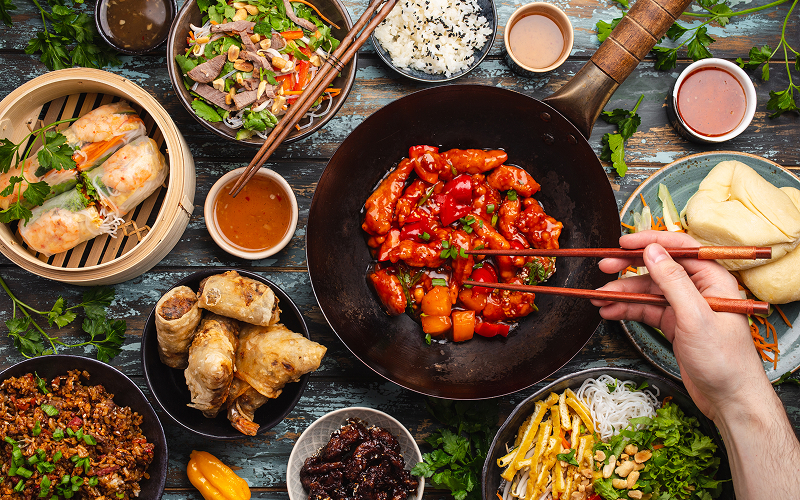
Eating with fitness goals in mind does not mean chewing on plain meals or skipping cultural favourites. Chinatown supports active lifestyles through cooking habits that favour balance, timing, and control. Steaming, light braising, and quick wok work dominate many kitchens, keeping flavours clear and portions predictable. This guide looks at how everyday choices link movement, recovery, and enjoyment without drifting into food drama. Expect straight talk, usable detail, and a few gentle puns because food should still flex a smile.
Why Chinatown Works for Active Eating
Many fitness minded diners turn to the best food in Chinatown because everyday meals are built around moderation rather than excess. Cooking methods use high heat for short periods or slow simmering without frying. These approaches limit oil while keeping texture intact. Portion flexibility also matters. Most stalls can adjust rice or protein amounts, which helps people fuel sessions without guessing. This structure suits regular training and casual activity alike.
Another factor is reliability. Meals usually follow a familiar rhythm, which makes each visit feel predictable. Regular diners can keep eating habits aligned with training routines without having to rethink choices or adjust plans every time.
Protein Choices That Support Recovery
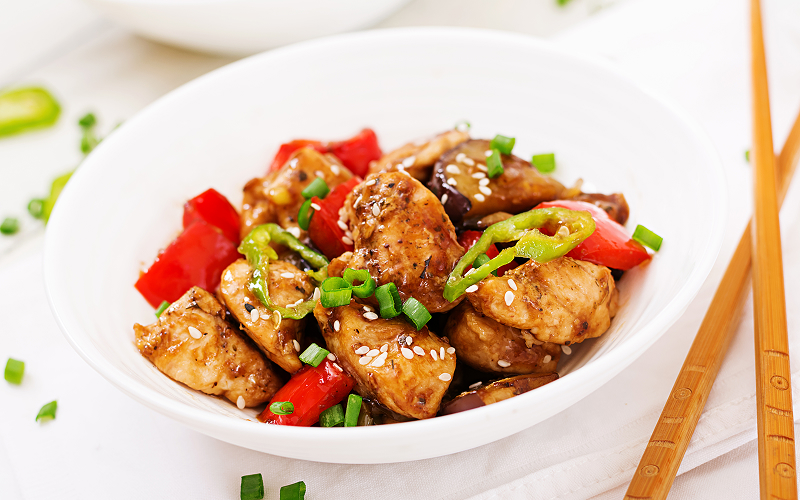
Protein intake supports muscle repair, strength work, and daily movement, which is why it’s a popular choice for meal preps. Chicken, fish, tofu, and eggs remain common picks in the best foods in Chinatown, handled with minimal masking. Steaming keeps moisture while avoiding extra fat. Braising brings out flavour at a steady pace and keeps sauces light at the same time. The result feels easier on digestion, making these proteins a natural fit for meals after training as well as on rest days.
Chicken Plates That Stay Simple
Poached and steamed chicken dishes remain common. Skin can be kept or removed, with sauces served on the side, giving diners an easy way to tailor fat and salt levels to their liking. Protein content supports muscle recovery, while lighter seasoning avoids heaviness. It’s a practical plate for people training several times a week and a clear example of how the best food in Chinatown can still feel familiar.
Another draw is consistency in texture and taste. Chicken prepared this way tends to stay tender without added coatings, making it easier to eat in regular portions. For those tracking meals loosely, predictable preparation helps avoid unwanted surprises on the plate.
Tofu and Egg Dishes for Balance
Tofu and eggs offer protein without heaviness. Braised tofu absorbs flavour from broth, while eggs appear boiled or softly cooked. These dishes suit lighter training days and recovery meals. Their simplicity supports digestion and steady energy when movement remains part of the routine.
These dishes also work well as shared sides. Adding tofu or eggs to a larger meal helps balance richer dishes without making the table feel too heavy, which suits groups where everyone eats a little differently.
Carbohydrates That Match Activity Levels
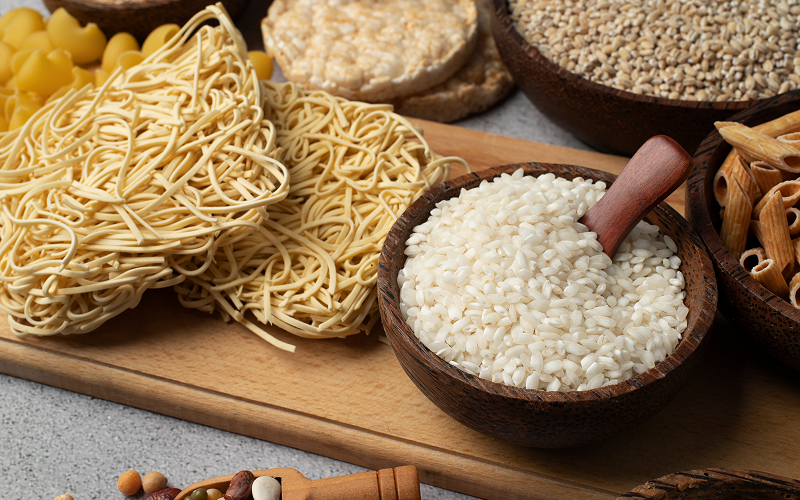
Carbohydrates form part of balanced eating when portion and timing align. Rice and noodle dishes tied to the best food in Chinatown tend to appear in plain forms that pair cleanly with protein and vegetables. Portions can be adjusted easily, making it simple to line meals up with training days. Eating the right amount helps keep energy steady through the afternoon without feeling sluggish later on.
Rice as Training Fuel
Plain rice supports endurance and strength work when eaten in suitable portions. It digests steadily and pairs well with lean dishes. Many diners choose reduced portions on rest days and fuller servings on active days. Control keeps rice useful rather than excessive.
Its neutral flavour matters as well, because it keeps the meal balanced and allows other ingredients to stand out without competing for attention. Rice gives protein and vegetables room to shine, so dishes stay flavourful without being drowned in sauce. A setup like that stays easy to enjoy across the week, without meals starting to feel repetitive.
Noodles on Recovery Days
Soup-based noodles suit meals after longer sessions, with warm broths helping the body rehydrate after exertion. The bowl stays balanced and structured, thanks to lean toppings that add substance without heaviness. Altogether, the meal feels comforting while fitting easily into active routines.
The texture of the noodles is also something to consider. Softer noodles are easier on digestion after physical strain, especially in the evening. Paired with clear broth, they provide warmth without leaving the body feeling overloaded.
Vegetables That Carry Daily Support
Vegetables provide fibre and micronutrients essential for digestion and overall health. Greens, mushrooms, and root vegetables show up consistently in the best foods in Chinatown, prepared with light seasoning. Fibre supports steady blood sugar and fullness, which suits long workdays and training schedules. These plates do quiet work behind the scenes while keeping meals satisfying. This is a great thing for anyone who is currently on a vegetarian diet.
Soup Culture and Hydration
Soups play a steady role in balanced eating. Clear broths made from fish bones, herbs, or vegetables provide fluid alongside minerals. Slow simmering allows nutrients to leach naturally without heavy fats. Many fitness focused diners see soup as a defining part of the best food in Chinatown, since it supports hydration while slowing meal pace.
Herbal Ingredients Used Practically
Herbal soups may include red dates, goji berries, or roots used traditionally. Their role remains culinary rather than dramatic. Warm soups support digestion and appetite control. They add variety without complicating nutrition planning.
The ingredients bring a light sweetness and aroma, which cuts back on the need for extra salt or oil and keeps flavours balanced. For regular diners, this variety prevents repetition while staying aligned with daily eating goals.
Cheat Days Without Feeling Like You Cheated

Cheat days tend to feel heavy when meals swing too far from normal routines. Chinatown offers dishes that feel indulgent without pushing diners into extremes. Familiar flavours, moderate seasoning, and balanced components allow meals to feel satisfying while staying aligned with regular eating habits. This helps active diners enjoy a relaxed meal without the physical drag that often follows overdoing it.
Another reason these meals work is control without fuss. Richer dishes pair well with vegetables, soups, or lighter sides, which helps meals stay even and comfortable. Eating this way leaves room for choice without strict rules, so a cheat day feels like a short break instead of something to stress over.
ALSO READ: Why You Should Start Going To Healthy Restaurants For Your Cheat Days
Eating Pace and Meal Timing
Timing and eating speed influence how the body responds to food. In places associated with the best food in Chinatown, meals are often eaten slowly alongside soup or tea, which naturally extends meal duration. A steadier pace supports digestion and helps diners stop when comfortably full. For fitness minded routines, this habit aligns well with recovery days and regular training schedules.
Eating at set times also helps regulate appetite across the day. Meals that follow a loose routine help keep energy steady, which cuts down on random snacking later in the day. Pace yourself a bit when eating. If you just keep shoving food into your mouth you’ll feel bloated and can’t actually enjoy the flavour. It also makes planning simpler, since meals fit predictably around workouts, work hours, and rest periods without constant adjustment.
Breakfast Picks for Morning Movement
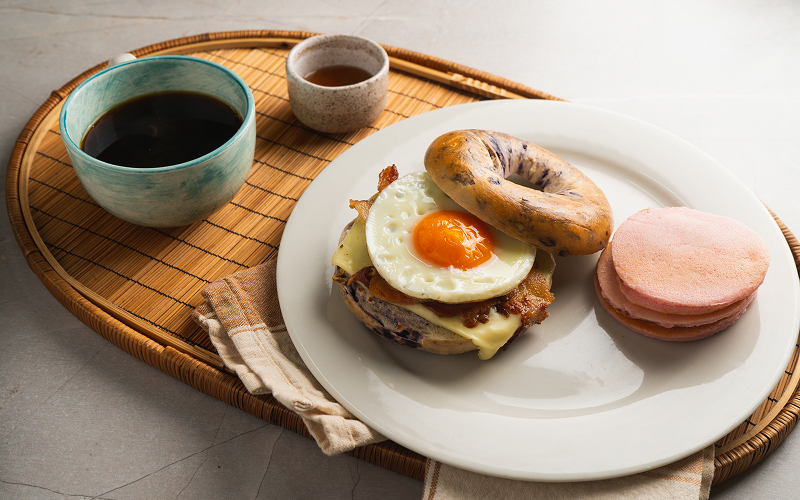
Early training pairs well with gentle fuel. Congee, eggs, and soft buns digest easily and provide enough energy without heaviness. Morning stalls prepare these items daily, keeping quality consistent. These breakfasts suit people seeking the best foods in Chinatown before an active start to the day.
Warm, simple breakfasts also help ease the body into movement. Lighter textures tend to settle faster in the stomach, which suits early walks, short runs, or gym sessions. Eating food that feels comfortable in the morning makes pre-work routines easier to keep without forcing anything heavy too early.
Protein Snacks for Busy Days
Between meetings and workouts, quick bites help maintain intake. Braised eggs, tofu blocks, and lightly grilled meats appear across stalls. These snacks avoid sugar heavy coatings and thick sauces. They support steady energy and reflect how the best food in Chinatown fits real schedules.
Portability also matters. Items that can be eaten quickly or packed away help prevent missed meals during long days. Consistent protein intake supports muscle upkeep even when schedules feel tight, particularly when workouts happen between meetings or travel windows.
Knowing What You Eat and Why It Matters
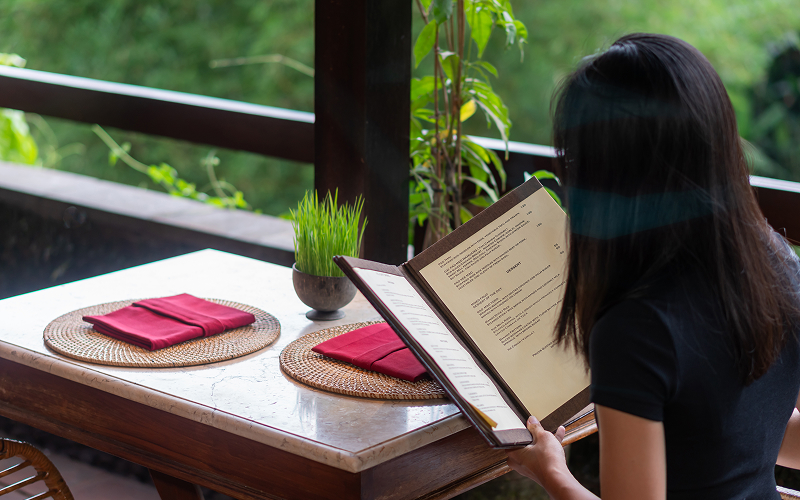
Information helps, but responsibility sits with the diner. Labels, menu notes, and verbal cues offer context, yet planning what to eat remains a personal task. Active eaters need to check ingredients, think about timing, and match meals to their routines instead of relying on stalls to decide for them.
Good choices come from preparation. Knowing usual portions, preferred ingredients, and how certain foods feel during training makes decisions quicker on busy days. When diners do this groundwork, the best foods in Chinatown become easier to navigate with confidence and consistency.
Bringing Fitness and Flavour to the Same Table
Eating with intention does not require rigid rules or cutting out familiar dishes. Chinatown shows how everyday food can support active routines through balanced components, steady cooking habits, and flexible choices. Whether the goal involves training days, rest days, or social meals, the area offers options that fit smoothly into regular schedules.
The key sits in awareness rather than restriction. Choosing meals built on simple ingredients, sensible pairings, and comfortable pacing helps you spot the best food in Chinatown for your fitness plans without overthinking every choice. With the right approach, enjoyment and discipline can exist side by side. Visit Taste of SG to explore more local guides that help you align fitness routines with everyday eating without stress.