
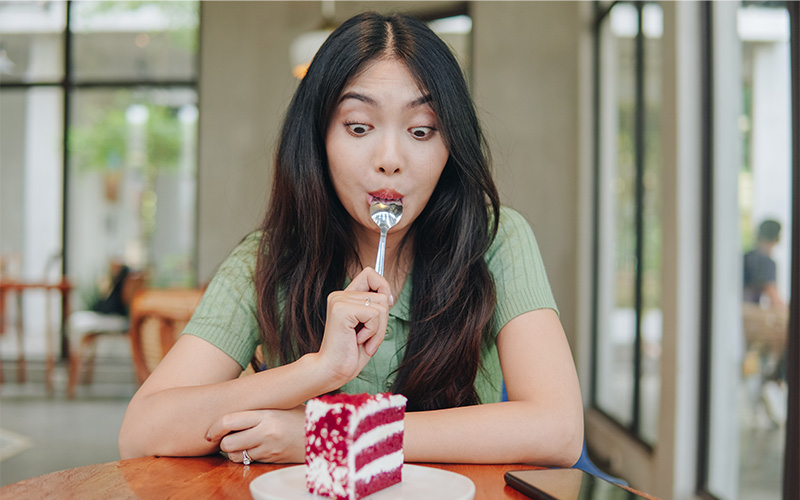
Cakes remain one of the most enjoyed desserts across cultures, and in Singapore, the variety is endless; from rich chocolate fudge and buttery pound cakes to delicate matcha rolls and durian cheesecakes. With artisanal bakeries and cafes on nearly every corner, cakes in Singapore are easy to access and even easier to overindulge in. However, frequent consumption without portion control can lead to unwanted weight gain and other health concerns.
Enjoying cakes in Singapore doesn’t mean giving them up entirely. The key lies in moderation, smart portioning, and an awareness of what you’re eating.
Know What One Portion Looks Like
Many people underestimate the caloric density of cake, especially when portions are not marked. A standard slice can range from 250 to over 500 calories, depending on a cake’s ingredients and frosting. Layered cakes with cream, fondant, or mousse often push these numbers higher. When buying or serving cake, it’s crucial to know what qualifies as one portion.
Nutritionists generally define a serving of cake in Singapore as one piece measuring about 2 inches by 2 inches, especially for dense cakes like chocolate or cheesecake. For sponge-based or lighter varieties, the portion might be slightly larger. Restaurants and cafes may serve oversized slices for presentation purposes, so consider sharing a slice or asking for it to be halved. If you’re at a buffet or event where there are multiple dessert options available, stick to one type of cake to avoid piling on excess sugar and calories.
Pre-slicing cakes in Singapore into equal portions helps you maintain better control. Visual consistency in serving size makes it easier to stop at one slice and prevents unintentional overeating. The goal is to satisfy, not to stuff.
Practise Mindful Eating to Maximise Enjoyment
Mindful eating plays a significant role in portion control. When you eat cake too quickly, your body doesn’t have enough time to register fullness or satisfaction, which often leads to overconsumption. Eating slowly and savouring each bite enhances the experience and allows you to feel more satisfied with a smaller portion.
Take time to appreciate each bite’s texture, flavour, and sweetness. Put your fork down between mouthfuls. This helps you pace your eating and allows your digestive system to catch up. Avoid distractions while eating cakes in Singapore. By focusing on eating, you build a better relationship with food and become more in tune with your body’s cues.
Use Smaller Plates and Tools
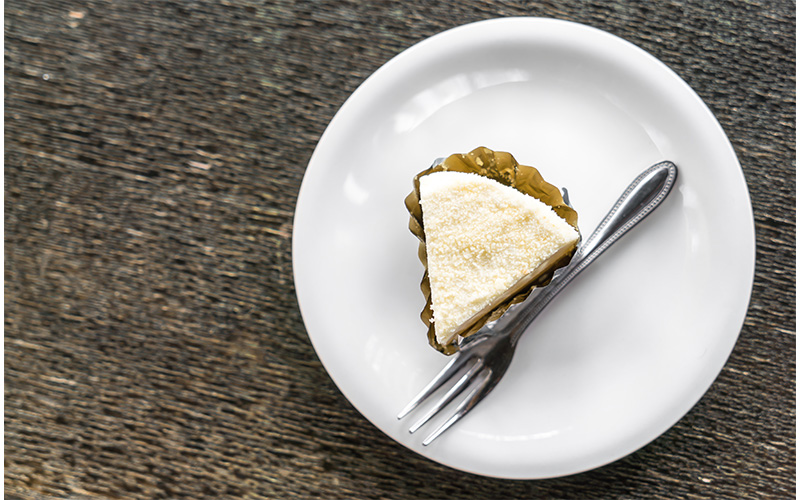
The size of your plate influences how much you eat. When you use a large plate, even a generous portion of cake may appear small, prompting you to take more. Use smaller plates to create the illusion of a fuller serving. This visual trick helps regulate portion sizes without requiring conscious effort.
If you’re hosting or attending a gathering, consider cutting cakes into smaller pieces than usual. Most guests will appreciate a modest portion, especially when you serve other food. Giving people the option to take a second slice if they want it is better than encouraging large portions upfront. This approach balances enjoyment and health without diminishing the experience.
Time Your Cake Intakes Wisely
The time of day when you eat cakes can affect how your body processes it. While the calories remain the same, eating high-sugar foods late at night can disrupt sleep and digestion. Nutritionists recommend enjoying sweet treats like cakes earlier in the day, ideally as part of a balanced meal.
Having a slice of cake after lunch or during mid-afternoon tea is often a better option than late-night snacking. Pairing your cake with a protein-rich drink or snack, like a handful of nuts or a slice of cheese, can help slow the absorption of sugar into your bloodstream. This reduces blood sugar spikes and keeps you fuller for longer.
LEARN MORE: Easy & Healthy Protein Powder Recipes For A Nutritious Diet
Avoid Eating Cake on an Empty Stomach
Cakes in Singapore are designed for enjoyment, not to satisfy hunger. Eating cake when you’re starving often leads to overconsumption. Nutritionists warn against replacing meals or snacks with dessert, as this can create nutritional imbalances and increase cravings for more sugary foods later.
Always eat a balanced meal before having cake. When your stomach is partly full, you’re more likely to enjoy a small portion without the urge to overeat. If you use cake to manage stress or emotions, consider other coping mechanisms like walking or journaling. Being conscious of why you’re eating cake helps you make better decisions and prevents unnecessary indulgence.
Conclusion
Cakes in Singapore offer a delightful variety of flavours and styles, making them hard to resist. But with thoughtful strategies, it’s possible to enjoy them without overeating. Understanding proper portion sizes, eating mindfully, choosing smaller utensils, timing your intake, and avoiding emotional eating all contribute to a balanced approach. The focus is on restriction, moderation, awareness, and enjoyment.
The next time you encounter a tempting slice, remember: you don’t have to say no—you just have to say “enough.” With the right mindset and portion control, cakes in Singapore can continue to be a sweet part of your lifestyle, not a dietary downfall.
Visit Taste of SG for more portion tips to enjoy cakes in Singapore without going overboard.