
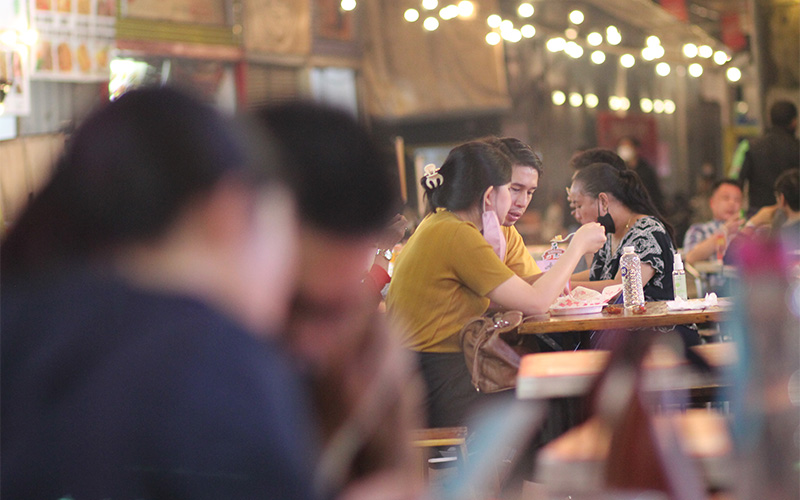
What starts as a casual indulgence can easily turn into a routine that affects sleep, metabolism, and long-term health. With that in mind, it’s worth examining how supplements can help support or sabotage your wellness goals. Let’s take a look at the reality of taking your supper in Singapore.
Circadian Rhythms and Night-time Eating
Our bodies operate on an internal clock, known as the circadian rhythm, which regulates sleep, digestion, and hormone production. Eating large meals late in the evening disrupts this natural timing, as the body prepares for rest, not digestion. When meals are consumed close to bedtime, the digestive system continues to work while the rest of the body tries to slow down. This mismatch can lead to bloating, poor sleep, and inefficient nutrient processing. Over time, this can add to weight gain and metabolic imbalance.
For those who practice supper in Singapore, the key lies in timing and quantity. Allowing at least two hours between eating and sleeping can help reduce discomfort and support better rest.
Fitness Recovery and Late Meals
For individuals with active lifestyles, post-exercise nutrition matters—but supper in Singapore must still be aligned with recovery needs. If exercise ends late in the evening, a small protein-rich meal may be appropriate to support muscle repair and replenish glycogen stores. The issue arises when late-night meals are treated as reward feasts rather than strategic refuelling.
Overeating or choosing high-sugar foods after activity can undo the benefits of the workout by promoting fat storage instead of muscle repair. A gluten-free banana pancake, Greek yoghurt, or a simple protein shake is good compared to deep-fried dishes or sugar-laden drinks.
What You Eat Matters More Than When
Although timing is important, the type of food consumed impacts how supper affects the body. Traditional Singaporean supper favourites like fried noodles, satay, or roti prata are rich in fats, refined carbohydrates, and sodium. These meals can spike blood sugar and stress the digestive system at a time when it’s least prepared to handle it.
Choosing lighter, balanced meals with protein, fibre, and healthy fats makes a difference. Supper in Singapore doesn’t have to be a health hazard. It just requires mindful selection and an understanding of how different dishes affect the body’s overnight processes.
Emotional Eating and Social Pressure
The culture of supper in Singapore is as much about connection as it is about appetite. Many people join late-night meal spots out of social obligation or to unwind after a stressful day. While occasional indulgence is part of life, using food as a consistent emotional outlet can lead to unintentional overconsumption.
Stress and fatigue at the end of the day can also lower self-control, making it harder to choose nutritious options. Being aware of this psychological component helps people make more deliberate decisions.
Impact on Sleep Quality
Sleep is a must in weight regulation, immune function, and recovery. Heavy or greasy suppers can impair sleep by causing indigestion or acid reflux. When digestion is delayed, the body spends more energy processing food than repairing cells and restoring systems. Some studies suggest that eating high-fat or high-sugar meals at night reduces REM sleep and contributes to lighter, more restless nights. If you experience repeated poor sleep because of a busy schedule, in turn, leads to hormonal imbalances that increase hunger and decrease satiety during the day.
Allow your body to have three hours between your final meal and going to bed. A light evening snack that’s low in carbohydrates and calories is generally acceptable. It’s best to steer away from caffeine and acidic foods, as these can lead to heartburn or restlessness that may disrupt your sleep.

Weekend Patterns That Spill Into Weekdays
One trend with supper in Singapore is that weekend indulgences slowly bleed into weekday habits. What begins as a Friday night outing can evolve into near-daily midnight eating, especially for those who work late or socialise frequently. The cumulative effect of this pattern includes disrupted eating schedules, reduced morning appetite, and increased calorie intake over time.
Nutrient Quality Over Calorie Counting
When evaluating supper habits, focusing solely on calories misses the bigger picture. A meal might be low in calories but high in sodium, additives, or simple carbs, offering little value to the body. Conversely, a slightly higher-calorie dish rich in nutrients can support satiety and recovery. Whole foods with good nutritional profiles contribute to lasting energy and hormonal stability. Even for supper in Singapore, ingredients like eggs, leafy greens, lean meats, and legumes provide more benefit than calorie-dense but nutrient-poor options.
READ MORE: 10 Surprisingly Unhealthy and Healthy Foods That You Might Not Know About
The Case for Planned Supper
Supper in Singapore is often spontaneous, which increases the likelihood of less healthy decisions. Planning—even slightly—can transform the experience. Knowing your schedule, anticipating cravings, or keeping healthier alternatives on hand can prevent last-minute, poor-quality choices. Meal prepping small portions, freezing nutritious snacks, or choosing go-to items at food courts can help manage intake while enjoying supper in Singapore. Intention transforms supper from a hazard into a structured part of a healthy lifestyle.
For more information about healthy food consumption, visit Taste of SG today.