
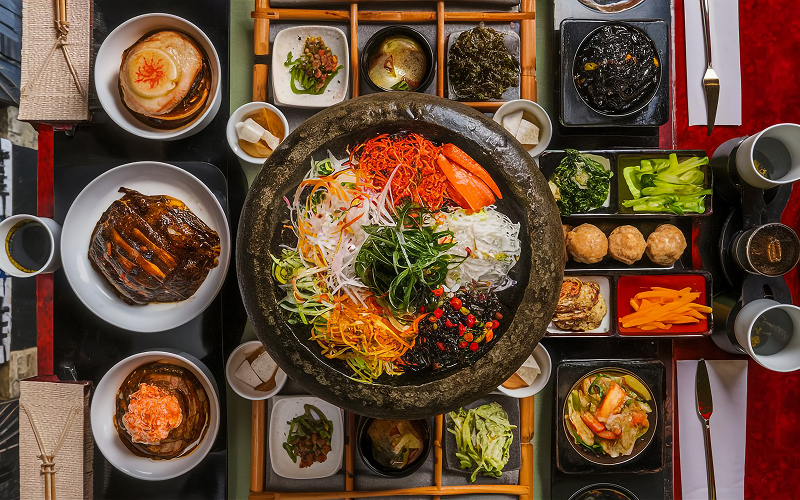
Whether you’re lifting heavy or just trying to keep your macros in check, eating out doesn’t need to throw your routine off-track. Korean food in Singapore offers a wealth of options that are both full of flavour and suitable for active lifestyles. From protein-packed stews to veggie-loaded bowls, Korean cuisine gives your meal prep a run for its money.
Ready to eat clean without losing your appetite? Let’s break down what gym-goers should look for on a Korean menu in Singapore.
Bibimbap: The Bowl That Lifts
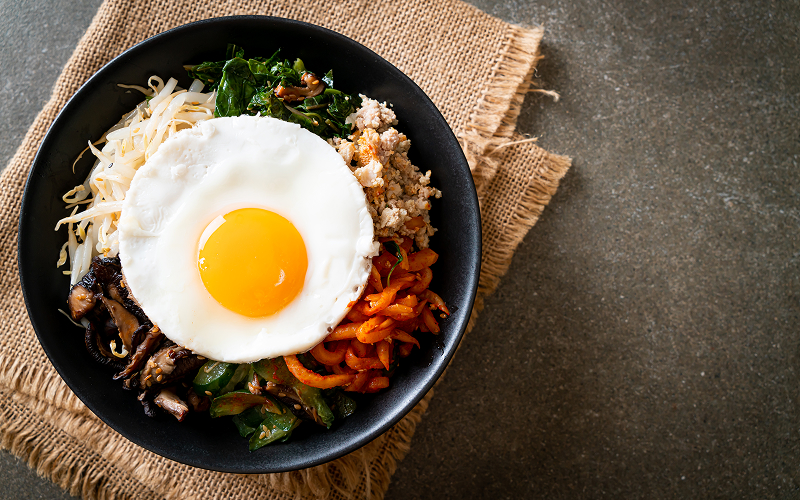
Bibimbap is a popular and reliable pick for anyone counting macros. This rice bowl comes stacked with lean meats, sautéed vegetables, and a gochujang kick for good measure. Choose brown rice if available, and go easy on the sauce to keep your sugar and sodium levels in check.
For added gains, ask for extra egg or grilled chicken. Skip the fried options and you’ve got a meal that hits the sweet spot between fuel and flavour. Korean food in Singapore often offers bibimbap in various styles, so you won’t get bored any time soon.
Doenjang Jjigae: Fermented, Filling, and Friendly to Your Gut
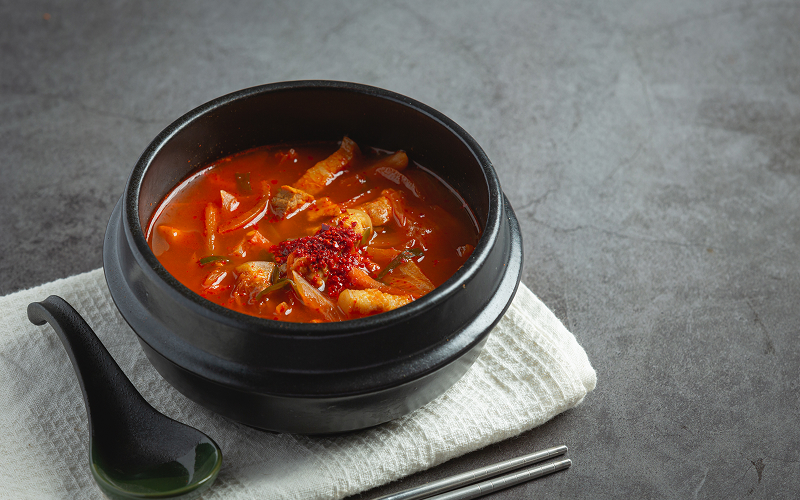
Doenjang jjigae is a soybean paste stew loaded with tofu, vegetables, and sometimes shellfish. It’s high in protein and fibre, and low in fat, making it suitable for gym-goers looking for something warm and hearty that won’t weigh them down.
The fermented base may be good for your gut too. Studies suggest fermented foods like doenjang may aid digestion, which helps your post-workout recovery. If you’re scoping out healthy Korean food in Singapore, this stew should be top of your list.
Grilled Meats: Lean, Mean, and Machine-Fuelling
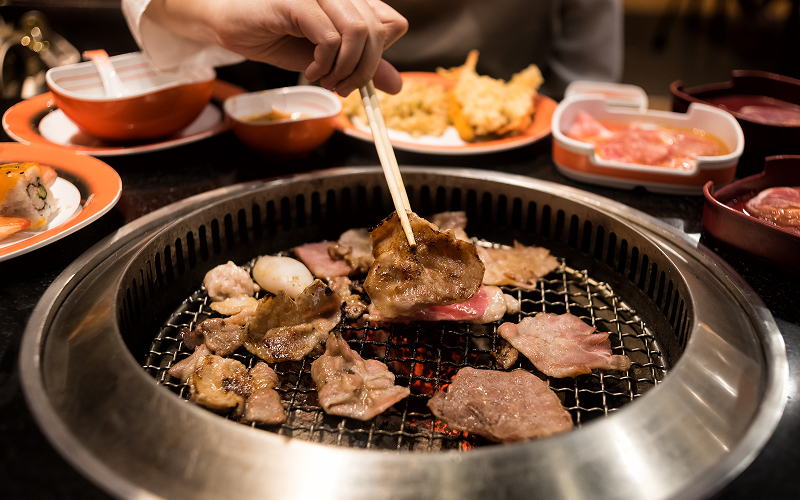
Grilled meats are a staple in Korean BBQ culture, but not all cuts are equal. Go for lean options like chicken breast or beef sirloin. Many Korean restaurants in Singapore offer grilled sets that come with fresh lettuce wraps, raw garlic, and ssamjang. It’s DIY dining that keeps your hands busy and your waistline in check.
Avoid marinated meats, as they often contain sugar-heavy sauces. Plain grilled options are the safer choice, and you can always add your own small portion of sauce if needed.
ALSO READ: Korean BBQ Customisations and Pairings That Work for Your Diet
Kimchi: Fermented Crunch With a Punch
It’s crunchy, tangy, and loaded with beneficial bacteria. Kimchi is a traditional side dish. Rich in probiotics, it may support gut health and help your system absorb nutrients more efficiently.
For gym-goers who need to make every calorie count, that’s a bonus worth chewing on. Korean food in Singapore nearly always includes a side of kimchi, so you might as well enjoy it guilt-free.
Samgyetang: The Whole Chicken Soup That Doesn’t Mess Around
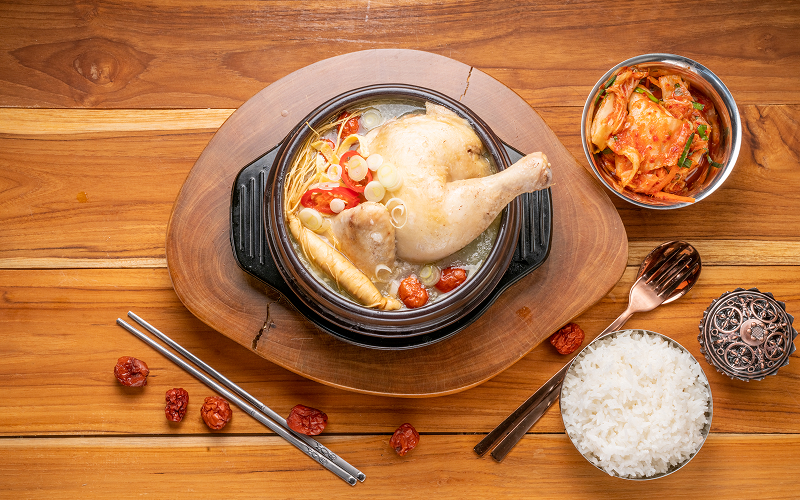
Samgyetang is a ginseng chicken soup made with a whole stuffed chicken, glutinous rice, garlic, and jujubes. It’s often viewed as a stamina-boosting meal in Korean culture, combining protein and carbohydrates. The protein from the chicken, combined with complex carbs and medicinal herbs, makes this dish ideal after an intense gym session.
You can usually find this dish at traditional Korean food spots in Singapore. Exploring neighbourhood eateries may increase your chances of finding it on the menu.
Kimbap: The Korean Sushi Roll With a Fit-Friendly Twist
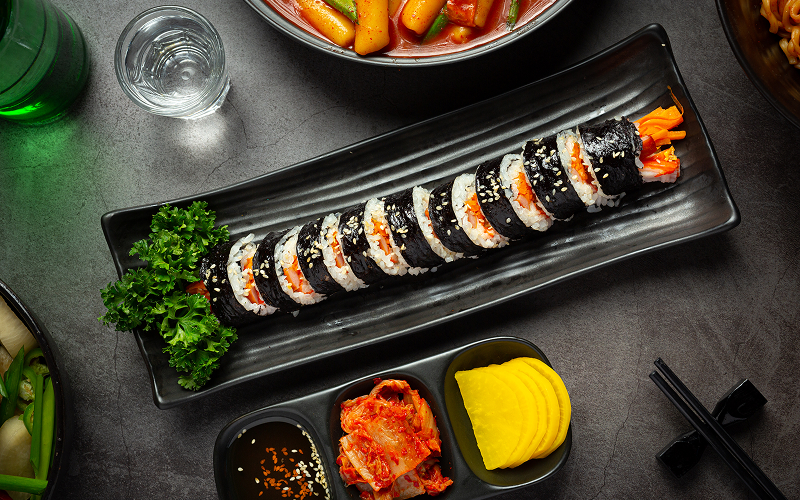
Kimbap may look like sushi, but it’s usually made with cooked ingredients like spinach, carrots, eggs, and grilled meats. The seaweed wrap gives you iodine, the rice keeps your energy up, and the fillings can be as healthy as you want them to be.
Watch out for versions with processed meats like crab sticks or ham. Instead, look for rolls with tuna, bulgogi, or just vegetables. When ordered right, kimbap becomes a compact, protein-forward snack that fits perfectly in your gym bag or your macros.
Sides to Embrace and Avoid
Many meals of Korean food in Singapore come with banchan, which are small side dishes served with your main. Some are healthy, some… not so much.
Good picks:
- Kimchi
- Pickled radish
- Seasoned spinach or bean sprouts
Skip these:
- Mayonnaise-based salads
- Deep-fried anchovies
- Sweet pickles or sugar-glazed roots
A little banchan can add flavour and nutrition, but don’t treat it like a buffet. Stick to 2–3 options to avoid overloading on sodium or hidden sugars.
Drinks That Don’t Undo Your Workout
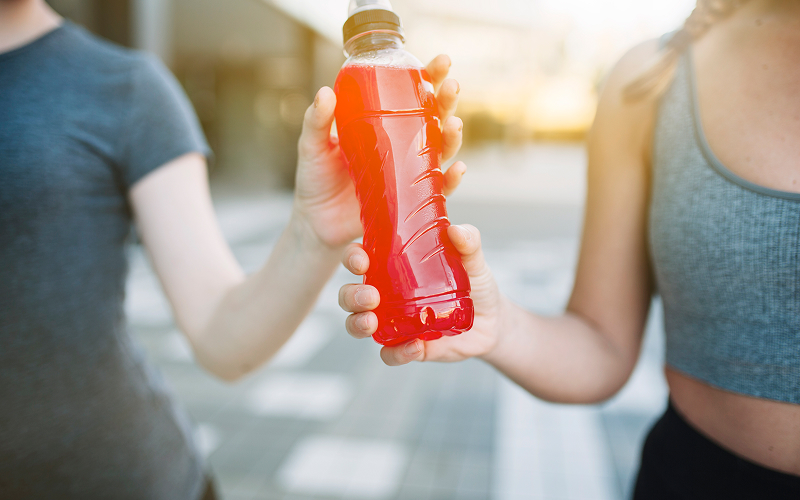
While it’s tempting to reach for a sweet barley tea or sugary soda, gym-goers are better off with water or unsweetened teas. Avoid soju and beer if you’re serious about your gains. These drinks are high in calories disguised as fun.
Some Korean food spots in Singapore offer kombucha or other fermented drinks, which may support digestion. Just make sure the sugar content is on the lower side.
What to Skip (Even If It Smells Amazing)
We get it. That bubbling cheese-covered army stew looks incredible. But for the gym crowd, it’s often packed with sodium, processed meats, and instant noodles. Korean fried chicken also smells like heaven, but it’s usually deep-fried twice and smothered in sweet sauces.
While these dishes can be enjoyed on occasion, gym-goers may prefer more balanced meals during regular training days. Choosing lean proteins and vegetable-rich options helps support energy and recovery without excess calories or sodium.
Where to Find Healthy Korean Food in Singapore
You’ll find Korean food in Singapore in malls, food courts, and standalone eateries across town. Look for restaurants that allow customisation or clearly list nutritional information. Chains that focus on modern Korean cuisine often offer leaner, healthier choices.
Don’t be shy to ask for tweaks. Most staff are used to diners requesting less oil, extra veg, or grilled instead of fried. A small adjustment can make a big difference.
Meals That Match Your Momentum
Eating clean doesn’t mean your meals have to be bland. With the variety of healthy Korean food in Singapore, gym-goers can load up on flavour and nutrients without undoing all that hard work at the gym. Whether you’re refuelling after cardio or bulking with intention, there’s a Korean dish to match your goal and taste.
Visit Taste of SG to dig into Korean food in Singapore that works just as hard as you do, one chopstick at a time.