
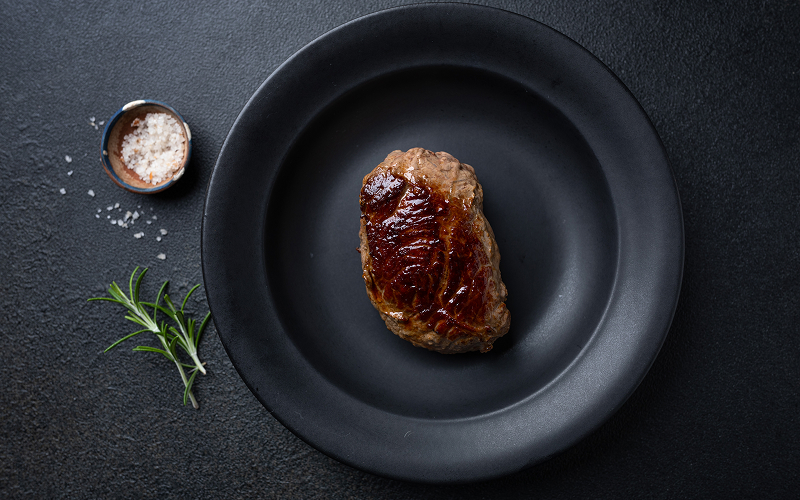
Everyone wants the best steak at home, but most miss the simple steps that make it happen. No gimmicks, no guesswork, just heat, timing, and technique that work together to bring out flavour you’ll actually notice. From choosing the cut to getting the crust, this guide lays it all out with no fluff, just facts.
Choosing The Right Cut For Maximum Flavour
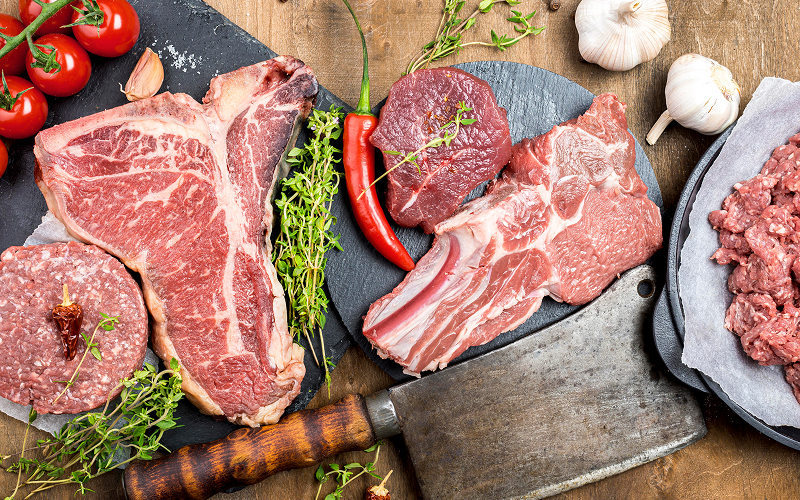
Ribeye, Sirloin, and Fillet: What Works Best for Home Cooking
Different cuts offer different cooking outcomes, and choosing the right one at the grocery store is the first step toward the best steak. Ribeye, with its rich marbling, delivers a juicy, buttery result that satisfies most palates. Sirloin is leaner but still brings a strong, beefy flavour, ideal for those who enjoy a firmer texture. Fillet stands out for tenderness, though its subtler taste often benefits from sauces or additional seasoning. Knowing the strengths of each cut helps you pair the right one with your cooking method, giving you a better chance of success with each steak you prepare.
How Marbling Affects Tenderness and Taste
Marbling is the fine web of fat within the muscle fibres of the meat. As the steak cooks, these streaks melt and release flavour into the surrounding tissue. This self-basting process enhances tenderness and taste. Cuts like ribeye, which have more marbling, stay moist even with extended cooking. For a consistently juicy result, look for meat with well-distributed fat. A good balance between lean muscle and fat makes every bite more enjoyable, especially when you’re aiming for the best steak experience.
Preparing The Steak Before Cooking
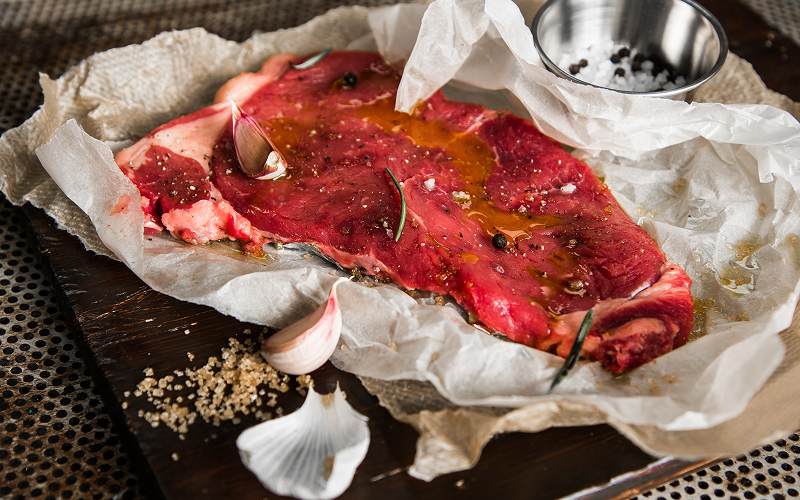
The Importance of Bringing Steak to Room Temperature
Cooking a cold steak straight from the fridge can lead to uneven results. The outer layers will cook faster than the cold interior, risking a burnt exterior and underdone centre. Letting the steak rest at room temperature for about 30 to 45 minutes before cooking allows the internal temperature to even out. This simple habit improves the cooking process, giving you better control over the final doneness. If you want the best steak every time, never skip this step,it’s a small change with big impact.
Drying the Surface for Better Searing
Moisture is the enemy of a good crust. When water hits a hot pan, it turns into steam, preventing that crisp, brown sear we crave. Patting the steak dry with paper towels before seasoning ensures the surface is primed for direct contact with heat. This step allows for proper browning, creating a flavour,packed outer layer that contrasts beautifully with the juicy interior. If you want that golden crust on your best steak, start by drying it off.
Seasoning With Purpose
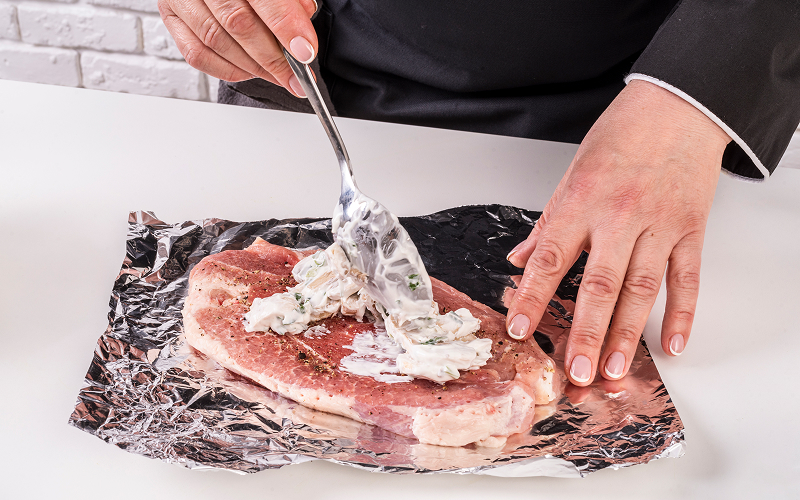
Salt, Pepper, and When to Add Them
Salt is a flavour enhancer, it acts as a tenderiser when applied in advance. Salting the steak at least 40 minutes ahead gives it time to draw out moisture, which is then reabsorbed along with the salt, resulting in deeper seasoning. Pepper, however, should be added just before searing to avoid burning. Over-seasoning can overwhelm the meat’s natural flavour, so keep it straightforward. The best steak speaks for itself, and proper seasoning helps it do just that.
Using Marinades and Rubs Without Overpowering the Meat
Marinades can add flavour, but they must be balanced. Ingredients like vinegar or citrus can break down proteins too much, leaving the steak mushy. Instead, try dry rubs made of herbs, garlic powder, or smoked paprika for an extra flavour boost. If you must marinate, limit the time to an hour and go light on acid. The goal is to enhance, not cover up. A well-treated cut of beef already brings great taste to the plate,a nudge in the right direction is all it needs to become the best steak.
Mastering The Sear
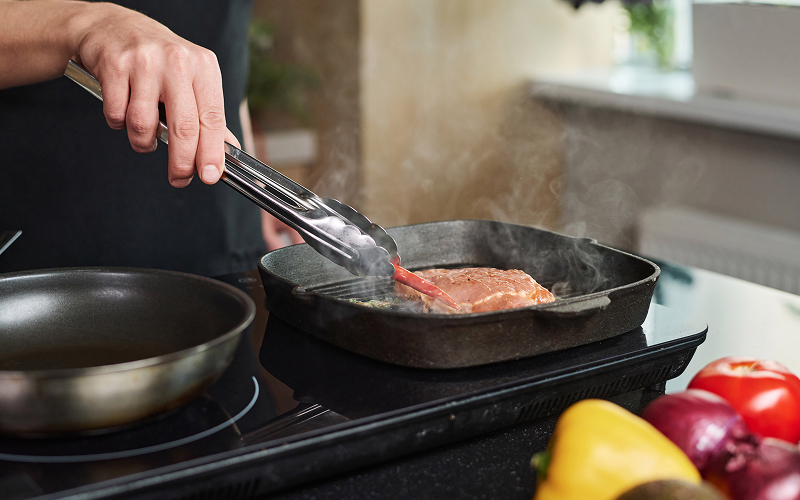
Why a Hot Pan Is Non-Negotiable
High heat is key to developing a deep brown crust through the Maillard reaction, the chemical process that transforms proteins and sugars into complex flavour compounds. A lukewarm pan won’t trigger this properly, resulting in pale, limp steak. Heat your pan until it’s almost smoking before adding the meat. That intense contact seals the surface and locks in moisture. If you’re serious about getting the best steak, embrace the heat and let it work its magic.
Cast Iron vs Stainless Steel: Which One Performs Better?
When choosing cookware for steak, go for frying pans that retain and distribute heat evenly. Cast iron skillets are a favourite for their durability and ability to maintain a consistent temperature, making them ideal for searing. Stainless steel also works well, especially if you prefer quick cleanup and responsiveness to temperature changes. Avoid nonstick surfaces, which can’t handle high heat. Either of these pans will help deliver the best steak when handled correctly.
Cooking Methods That Lock In Juiciness
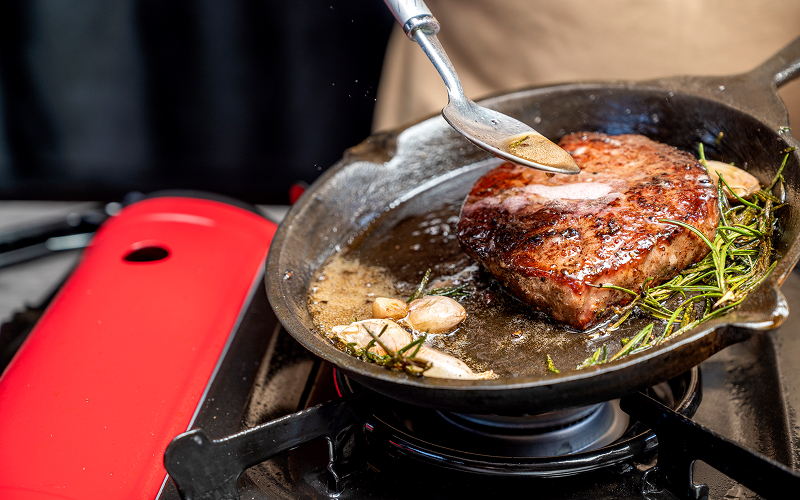
Pan-Searing, Oven-Finishing, and Reverse Searing
Pan-searing is fast and produces a satisfying crust, especially on thinner cuts. For thicker steaks, consider searing first and finishing in the oven to avoid burning the outside. Reverse searing,slowly cooking in the oven followed by a quick sear in the pan, offers even doneness and control. Each method has its perks, but the goal is the same: a juicy interior and flavourful crust. Choose the approach that suits your cut and kitchen setup to consistently cook the best steak.
When to Use Butter Basting for Added Richness
Butter basting is a chef’s trick for adding richness and aroma during the final minute of cooking. By spooning melted butter infused with garlic, thyme, or rosemary over the steak, you add an extra layer of flavour. The fat carries the aromatics into the surface while creating a glossy finish. Just be mindful of the temperature, burnt butter turns bitter quickly. A gentle basting session turns a good steak into the best steak with minimal effort.
Knowing When Your Steak Is Done
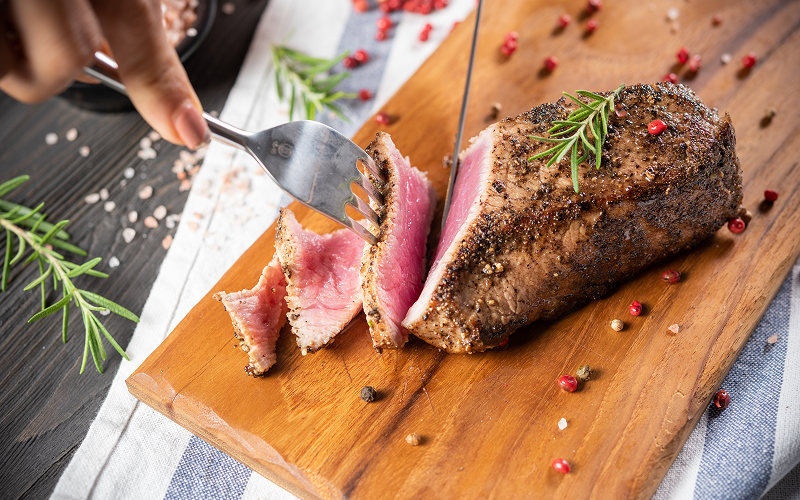
Internal Temperatures and Doneness Levels
Precision is key. For rare, aim for 50°C. Medium rare lands at 60°C, and well-done finishes at 70°C. Use a thermometer to get it right. Don’t trust the poke test or colour alone,they can be misleading. Checking temperature ensures every steak comes out the way you want it, which is crucial if you’re striving for the best steak every time.
Tools That Take Out the Guesswork
Invest in a digital meat thermometer. It provides fast, accurate readings and eliminates the need for guesswork. No one wants to cut into a steak mid-cook just to check. A good cooking app can also help you track temperatures and timing. Thermometers help maintain consistency and are one of the simplest ways to make every steak your best steak.
ALSO READ: Your Little Sous Chef—8 Reasons Why You Should Use A Cooking App
Resting The Steak The Right Way
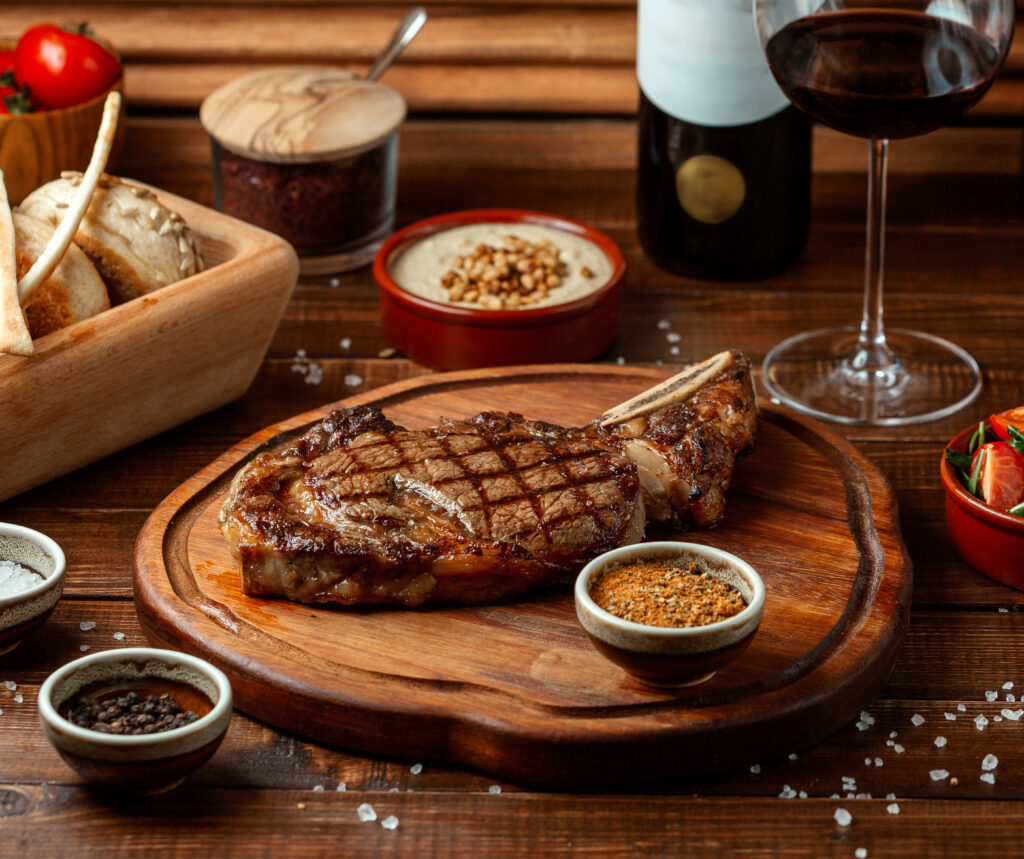
How Long to Rest and Why It Matters
Resting allows juices that have moved toward the centre during cooking to redistribute throughout the steak. Skip this step, and you risk watching all that flavour pool onto the cutting board. Let the steak rest, loosely tented with foil, for five to ten minutes. It might feel like a delay, but it makes a clear difference in taste and texture.
Avoiding the Common Mistake of Cutting Too Soon
The urge to slice into a sizzling steak is strong, but resist. Cutting too early causes valuable juices to escape, drying out the meat. Letting the steak settle ensures a moist, flavourful interior. If you’re aiming for the best steak, patience is a necessity, not an option.
Cutting And Serving Techniques
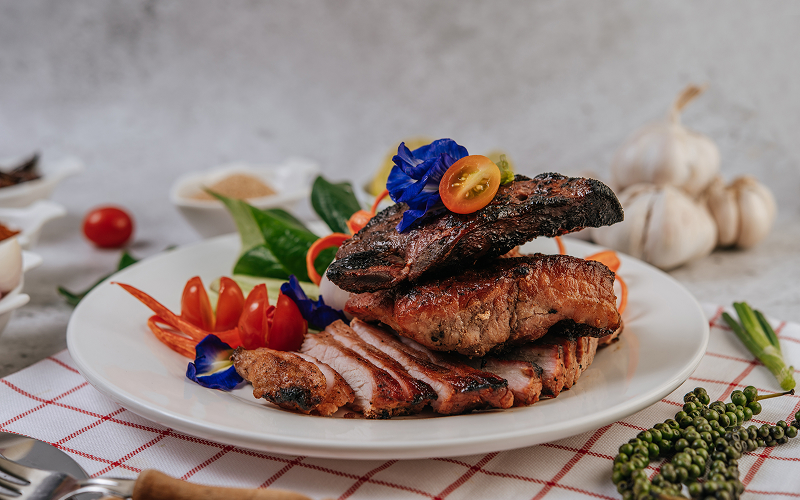
Slicing Against the Grain Explained
Beef muscle fibres run in one direction. Cutting against the grain shortens those fibres, making each bite easier to chew. It’s a simple trick, but it transforms texture. Whether you’re serving sirloin or ribeye, this detail contributes to the best steak dining experience.
Keeping the Flavour in Every Bite
Presentation matters, but practicality matters more. Serve steak on warm plates to prevent temperature drop. Choose simple, complementary sides that support rather than compete. Let the steak be the centrepiece. Everything else is a supporting act in your best steak production.
Common Mistakes That Ruin Flavour

Overcrowding the Pan and Other Pitfalls
Putting too much meat in one pan drops the temperature and causes steaming, not searing. Cook in batches to maintain heat and space. A crowded pan sabotages the crust, and with it, your shot at the best steak.
Why Flipping Too Often Reduces the Crust
Flipping the steak too frequently interrupts the browning process. Let each side develop its sear before turning. One or two flips are enough. This helps build a crust that seals in juices and elevates flavour.
Making Steak Meals More Complete
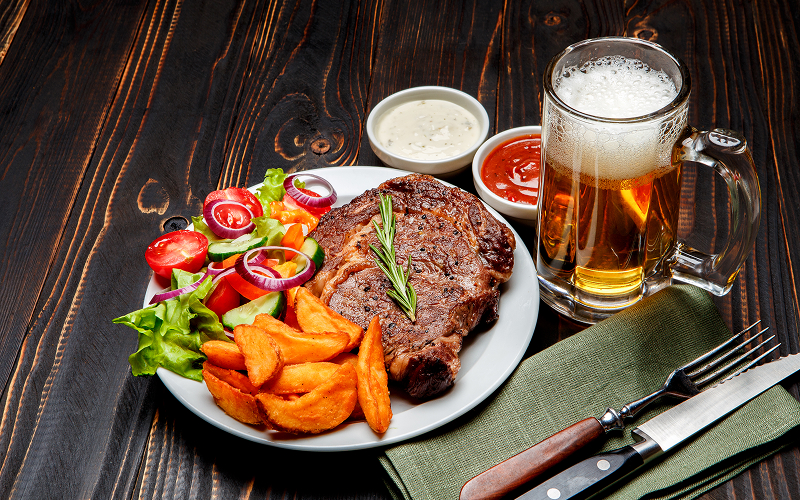
Simple Side Dishes That Complement Without Competing
Think roasted carrots, creamy mash, charred greens, or even a small serving of cheese and wine. These add texture and contrast without stealing the spotlight. The key is balance. A heavy steak paired with equally rich sides can overwhelm. Pairing with lighter fare keeps the focus on the beef. The best steak deserves a plate that plays to its strengths.
Sauces That Add Depth Without Dulling the Steak
Steak doesn’t need sauce, but the right one can be enhanced. Try red wine reduction, chimichurri, or a mild peppercorn sauce. Keep it minimal. A good sauce should whisper, not shout. Let the beef remain the star while the sauce supports from the background.
Last Bites Of Steak Wisdom
Practising Consistency with Heat, Timing, and Tools
Repeatable results come from consistency. Know your equipment. Understand how long it takes to heat your pan or preheat your oven. Use timers and thermometers. These habits remove variables and help you cook the best steak every time.
Keeping Notes for Repeatable Results
Track what you do. What cut you used, how thick it was, the cooking time, the seasoning,all of it. Keeping a cooking journal lets you recreate the wins and learn from the flops. The best steak isn’t a one-time thing. It’s a process you refine.
Visit Taste of SG to find more kitchen tips, flavour tricks, and meal inspirations that make every bite worth the effort.