
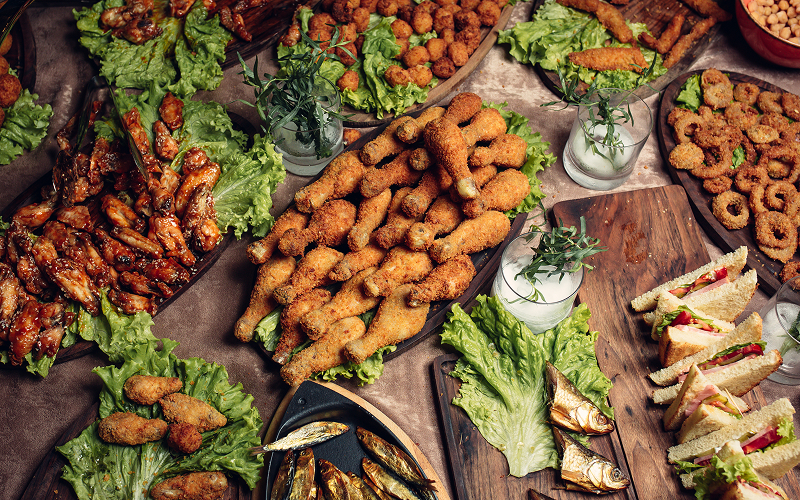
Halal dining traditions stay rooted in religious principles, but the experience continues evolving. Tech-driven innovations now redefine what guests expect from a buffet halal outing. Beyond flavour and variety, diners want efficiency, convenience, and personalisation. Restaurant operators, in response, are integrating smart tools to elevate each step, from table reservation to final bite.
Digitalisation reduces guesswork and cuts delays. Walk-ins no longer queue without knowing seat availability. Diners book tables through integrated platforms that update in real time. Reservation systems now sync with kitchen inventories, enabling smoother demand forecasting.
Guests no longer rely on staff to understand what goes into a dish. Mobile menus offer deep ingredient information and allergen filters. Nutrition-conscious diners explore macronutrients, while others verify halal certification with a tap. Menu interfaces translate easily for tourists or multilingual patrons.
Dining is no longer just about eating; it has become an experience enhanced by data. The buffet halal segment stands as a growing playground for culinary innovation. Operators adopting these technologies stay competitive while respecting tradition.
QR Codes and Smart Menus: Elevating the Halal Buffet Interface
QR codes once felt optional. Now, they play a central role in buffet halal setups. Diners scan upon arrival, bringing interactive menus to life on their phones. Instead of paper, digital interfaces adapt in real time, removing sold-out dishes, updating serving times, or suggesting chef’s picks.
These interfaces present more than dish names. They show preparation methods, estimated wait times, and even diner reviews. For halal diners, transparency matters. QR-linked menus now verify halal sourcing using embedded certificate IDs or trusted authority logos.
Personalisation also steps in. Some systems use previous orders to highlight favourites or suggest new ones. While browsing, diners receive allergy warnings or dish pairing recommendations. Those tracking calories or macros benefit from nutritional insights integrated into every dish listing.
More buffet halal venues use multilingual support to cater to a global clientele. Tourists now feel more confident dining without confusion. With language toggles and visual cues, food selection becomes simpler, quicker, and more informed.
This layer of convenience improves turnover while creating a sense of ease. People dine smarter, order faster, and make informed choices with minimal staff interaction.
AI-Driven Buffet Planning: Matching Preferences with Precision
Artificial intelligence now plays a growing role in buffet halal logistics. AI systems scan past dining trends, customer feedback, and footfall data to plan menus, manage crowd control, and minimise waste. Kitchens no longer rely solely on chef intuition or seasonal instincts. Real-time analytics guide prep volumes, dish popularity forecasts, and optimal replenishment timings.
AI models even help with flavour pairing. Chefs input core ingredients, and algorithms suggest halal-compliant dish combinations that delight varied palates. Buffet lines rotate through high-demand dishes more accurately, preventing both underproduction and spoilage.
Some halal buffets even tailor portions based on AI-projected demand windows. Diners arriving in late dinner slots receive dishes cooked fresh, instead of recycled or overstocked platters. The result is less food waste and more consistent quality.
Technology augments the chefs’ ability to serve better. The buffet halal experience no longer follows a one-size-fits-all formula. Data enables adaptability without compromising religious requirements or taste expectations.
Contactless Checkout: Smoother End to the Buffet Experience
The final impression of a buffet halal meal often rests on how seamless checkout feels. Long payment lines used to cause frustration, especially in peak hours. Digital transformation solves this. Contactless payment stations now handle tap cards, mobile wallets, and facial recognition for regular diners.
Billing becomes simpler. Instead of tracking each diner manually, smart systems log every scanned plate, timestamped to individual QR codes. Diners no longer need to explain what they ate—systems already know. Some setups allow users to review bills on their phones, split payments, or add tips digitally.
These checkouts are now faster and safer. Hygiene matters, especially in shared dining spaces. Contactless terminals reduce surface touchpoints. Some restaurants even use self-serve kiosks where diners review their experience and give instant feedback before leaving.
Tech-infused exits leave diners with a positive impression. Staff focus more on hospitality and food quality while systems handle transactions. Guests exit on time, satisfied, and encouraged to return, driven by efficiency, not just flavour.
Smart Waste Monitoring: Sustainability with Every Serving
Buffet halal setups often face criticism for food waste. Technology now addresses this with waste monitoring systems built into serving stations. Smart scales beneath trays measure real-time depletion rates. Kitchen staff receive alerts when trays need to be refilled or rotated, not just when they’re empty.
Some systems compare how much food is being thrown away versus consumed. Kitchens use this data to tweak portion sizes, frequency of refill, and shelf life of dishes. Instead of guessing how much biryani or satay to prepare, chefs work with live insights.
Guest-facing nudges also help. Digital signs beside buffet trays remind diners to avoid overloading plates. Some buffets incentivise finishing portions through gamified systems; track clean plates, win small perks.
Buffet or halal catering operators now champion sustainability without compromising guest choice. Diners eat mindfully, encouraged by subtle prompts and better portion design. Less waste, more satisfaction.
Robotics and Automation: Reimagining Food Handling
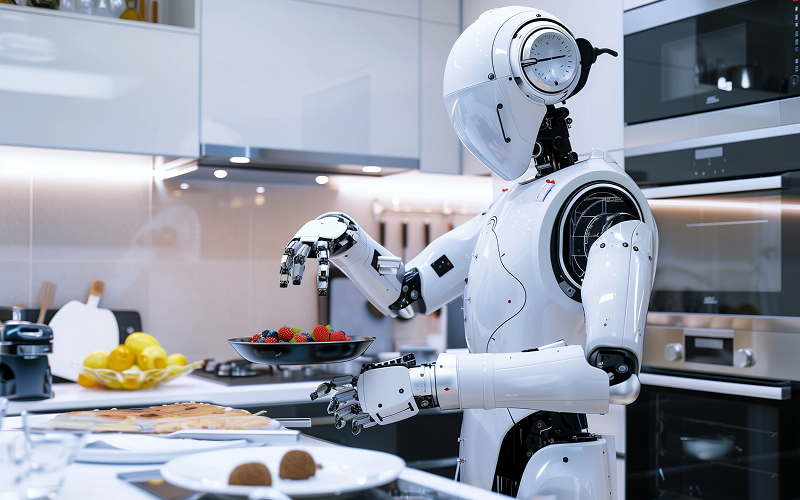
Robotic technology is entering the buffet halal space with surprising agility. From automated beverage dispensers to robot servers delivering dishes to tables, these innovations streamline workflows while maintaining hygiene. Robots were never meant to replace staff. What they provide is a complementary service by retaking repetitive tasks and mitigating human errors, allowing the staff to focus on crucial engagement and presentation.
Automated chefs stir curries, grill kebabs, and plate desserts with consistent timing and temperature control. Buffets use smart ovens and induction warmers synced to live demand, reducing idle heating. Robots move along fixed paths delivering meals or collecting used plates, reducing floor congestion, especially during busier periods.
Guests enjoy added novelty. Watching a robot serve roti or pour teh tarik adds an entertaining layer to the dining experience. While rooted in faith-based principles, buffet halal culture adapts by embracing tech-led enhancements without straying from its foundations.
Automation also supports accessibility. Seniors or disabled guests benefit from table-side delivery and voice-controlled interfaces. Technology extends convenience to wider audiences, aligning inclusivity with hospitality.
Digital Reservations and Queue Management: Reducing Wait, Increasing Satisfaction
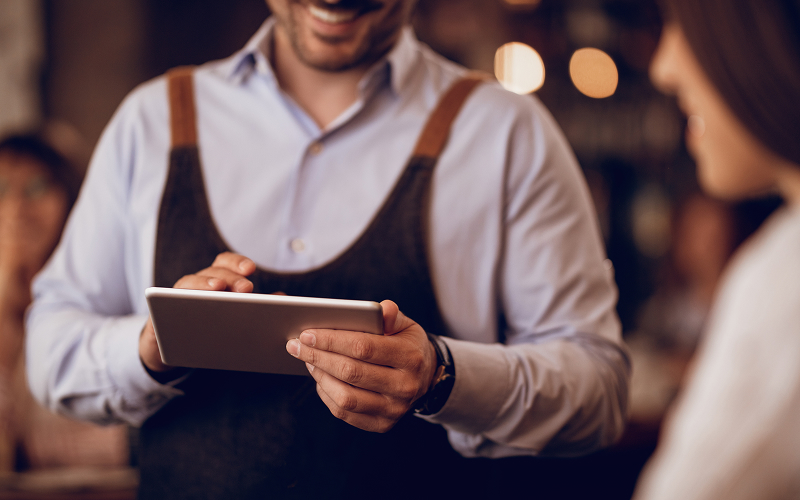
Buffet halal popularity often leads to long queues. Technology resolves this through advanced booking platforms and virtual queue systems. Diners check real-time seat availability, reserve in advance, or join a queue digitally from their phones. Systems estimate wait times, sending alerts when tables open.
Walk-ins no longer hover at entrances. Instead, they explore nearby areas while the system updates them. Inside the restaurant, smart displays direct guests to tables, keeping foot traffic fluid. Staff avoid chaos and focus on seating and service.
Queue data helps restaurants analyse peak times, guest flow patterns, and service bottlenecks. Adjustments follow quickly: adding temporary staff during rush hours, reorganising layout to handle larger groups, or introducing off-peak discounts.
Guests value transparency. They choose time slots that suit them and avoid unnecessary delays. Buffet halal becomes a calm, predictable experience instead of a waiting game.
Smart Lighting and Ambience Controls: Enhancing the Dining Mood
Technology in halal buffets doesn’t stop at food. Ambience now shifts dynamically through smart lighting and acoustic controls. Restaurants use programmable lights to match dining phases: brighter tones for lunch, warmer glows for dinner. Music changes based on crowd density or table composition, keeping moods relaxed.
Smart air-quality sensors adjust circulation based on occupancy. Systems maintain temperature without manual toggling, responding to guest movement and external heat. Diners enjoy a consistently pleasant environment from entry to dessert.
For buffet halal setups that welcome family gatherings, lighting zones can adapt to child-friendly areas. Some buffets now offer touchscreen games for kids or calm lighting sections for older guests observing dietary restrictions during Ramadan.
These subtle adjustments elevate comfort. Guests feel attended to, not just served. Technology does the work in the background, setting a premium tone while keeping focus on the food.
Social Media Integration: Amplifying the Buffet Halal Buzz
Buffet halal dining gains traction through digital word-of-mouth. Tech-savvy venues build this buzz through live social media integrations. Diners scan QR codes to upload reviews instantly. Some buffets install smart booths for diners to snap photos or tag dishes using AR filters and branded effects.
Visual sharing becomes frictionless. Guests capture food moments and share live impressions, turning buffets into visual experiences. Tech-forward restaurants use this exposure to drive bookings, offering small discounts for tagged uploads or geotags.
Restaurants also monitor social mentions using real-time dashboards. Popular dishes get spotlighted or expanded upon. Constructive feedback triggers prompt corrections. Data doesn’t just inform service, it shapes the menu and marketing in live sync.
Halal-conscious diners trust peer validation. Seeing certified dishes, clean setups, and happy guests builds confidence. Social sharing becomes more than a trend as it has now become part of the customer experience loop, powered by technology.
ALSO READ: How AI is Changing the Way We Get Food Recommendations
Future Forecast: Where Buffet Halal Tech Is Heading
Innovation won’t stop at menus and robots. Future buffet halal experiences may feature voice-controlled ordering, biometric ID for loyalty tracking, and AR-enhanced menus showing 3D dish previews. AI diet assistants may guide diners to balanced plates based on health conditions or fitness goals.
Sustainability tools will grow smarter, predicting food expiry, detecting contamination, and recommending recyclable packaging. Kitchens will align halal standards with zero-waste protocols, closing the loop on ethical consumption.
The halal buffet will remain deeply cultural and spiritual. But its form and function will shift with each leap in technology. Tech doesn’t dilute faith-based dining; it enhances its accessibility, appeal, and operational efficiency.
As diners evolve, so must their dining environment. Embracing smart technology helps buffet halal establishments remain relevant, respectful, and reliable. The future of feasting looks smarter, faster, and more conscious.
Feasting today means more than enjoying a hearty meal; it means engaging with a smarter, faster, and more sustainable way to dine. For more insights on how technology continues shaping food and diet, lifestyle, health and fitness, and everyday experiences like buffet halal dining, visit Taste of SG.