

Meat grading defines steak quality. It affects tenderness, juiciness, and texture. Countries use different systems, but marbling remains the central criterion. More marbling means more intramuscular fat, giving better flavour and tenderness.
In the United States, the USDA classifies steaks into three primary grades: Prime, Choice, and Select. Prime is sourced from young, well-fed cattle and contains the highest level of marbling, offering exceptional juiciness and flavour, ideal for high-heat grilling. Choice steaks feature moderate marbling, providing good taste and tenderness at a more accessible price point, making them suitable for various cooking methods. Select steaks, with minimal fat content, tend to be leaner, firmer, and less flavourful in comparison.
Japan adopts a distinct grading system for its Wagyu beef. The Japanese Meat Grading Association (JMGA) evaluates beef on a scale from A1 to A5, with A5 being the highest grade. This premium level is known for its intense marbling and fat that melts seamlessly during cooking. In contrast, Australia relies on the Meat Standards Australia (MSA) model, which emphasises overall eating quality, considering factors such as tenderness, juiciness, and flavour.
Understanding grading unlocks smarter choices. Buying the best steak doesn’t always mean picking the highest grade. Choosing based on cooking style, budget, and personal preference results in better satisfaction and less waste.
Ribeye: The Marbled Powerhouse
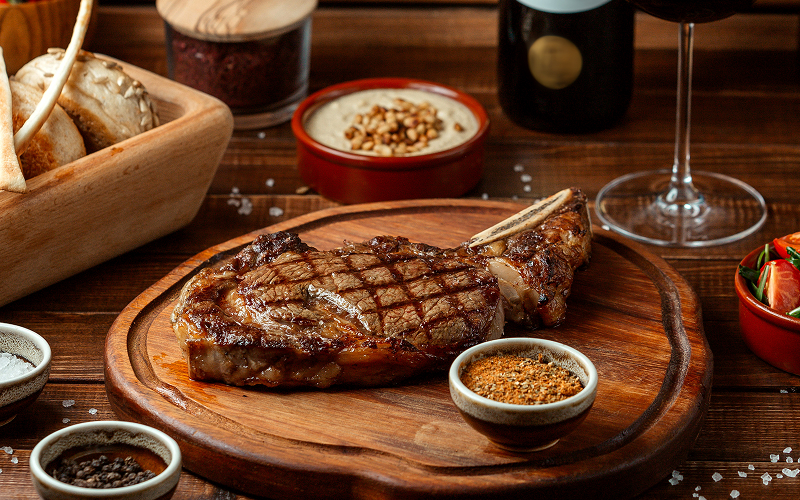
Ribeye is widely regarded as one of the best steak cuts for its rich fat content and natural tenderness. Sourced from the upper rib section of the cow, typically between the sixth and twelfth ribs. It features a central eye of lean meat surrounded by the flavourful cap known as the spinalis dorsi.
That cap delivers outstanding texture, often considered the most deeply flavorful part. A well-cut ribeye features generous marbling, which keeps it moist during high-heat cooking. Grilling and pan-searing work best. Those opting for a thick, juicy finish choose bone-in ribeye, sometimes called a cowboy steak.
Many steak connoisseurs consider ribeye the best steak because of its consistent texture and strong beefy flavour. The intramuscular fat creates an unmistakable richness. Choosing USDA Prime or A5 Wagyu ribeye elevates the eating experience further.
The ribeye’s versatility also makes it attractive. Whether cooked rare or medium, it maintains moisture and offers bold flavour without much seasoning.
Striploin: Balanced and Bold
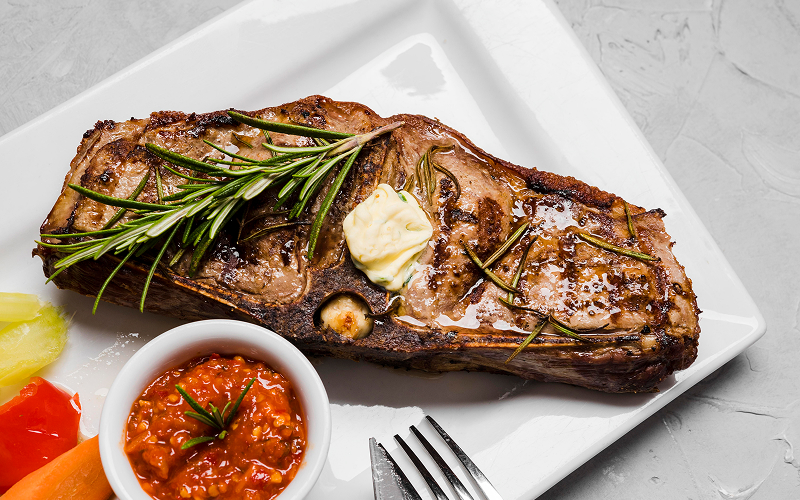
Striploin, also known as New York Strip or Sirloin Strip, sits behind the ribeye along the short loin. It delivers a firmer chew while preserving a rich beef profile. The striploin has less marbling than ribeye but still qualifies as one of the best steak choices for those who prefer leaner options without sacrificing flavour.
This cut works well in dry cooking methods such as broiling or pan-searing. The outer fat cap renders during cooking, infusing the meat with flavour while keeping the inside tender.
Because of its balance between tenderness and chewiness, striploin remains popular among steakhouse regulars. Choosing a well-aged, Choice or Prime grade striploin allows diners to enjoy consistent results.
Striploin responds well to compound butters, dry rubs, or minimal seasoning. It performs best cooked to medium-rare or medium. Overcooking leads to toughness due to reduced marbling compared to ribeye.
Tenderloin: Lean and Luxurious
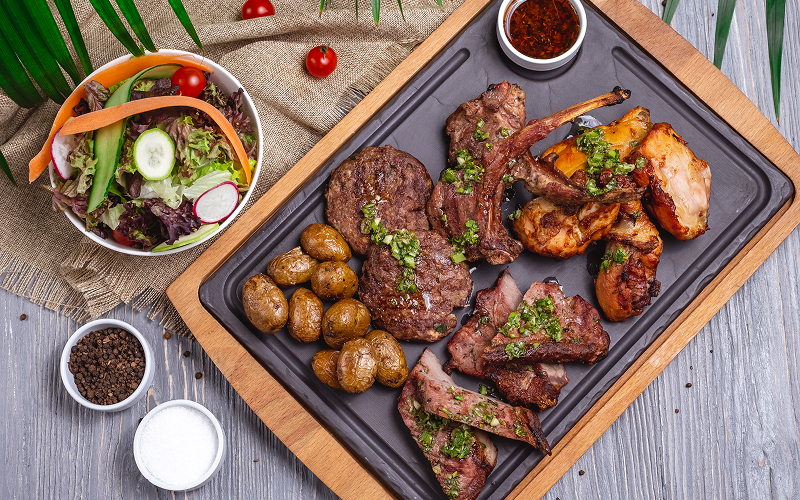
Tenderloin, often served as filet mignon, comes from the cow’s short loin near the spine. It earns recognition as the softest cut because muscles in this region barely move.
Despite lacking fat content, tenderloin still gets rated among the best steak options due to its buttery texture. It cuts cleanly with minimal resistance. Those preferring lean, low-fat meals usually choose this cut.
Because it lacks marbling, tenderloin requires careful cooking. Pan-searing followed by oven roasting yields the best results. Wrapping in bacon or pairing with rich sauces compensates for its leanness.
Though often more expensive per gram, tenderloin suits special occasions. Opting for a Prime or well-aged tenderloin maximises flavour potential without compromising texture.
T-Bone and Porterhouse: Two-in-One Satisfaction
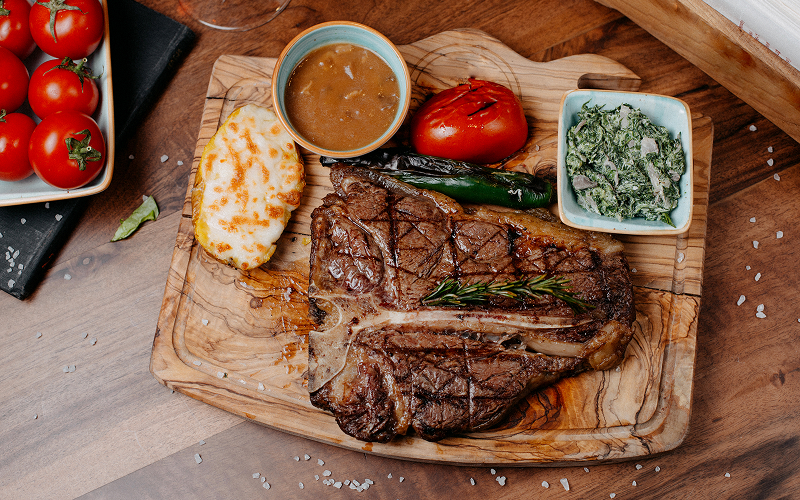
T-bone and porterhouse steaks deliver the best steak experience for those craving variety. These cuts combine tenderloin and striploin on either side of a central T-shaped bone. The porterhouse contains a larger portion of tenderloin, while the T-bone offers more balance between sections.
Thickness matters. T-bones cut thinner than 1.25 inches fall short on tenderness, especially near the bone. Porterhouse steaks thicker than 1.5 inches handle grilling better, delivering bold char without drying out the interior.
These cuts need indirect heat and rest time to ensure even cooking across sections. Those using charcoal grills get better control of temperature zones, preserving moisture in both tenderloin and strip sections.
Grading affects these cuts significantly. Prime-grade T-bone or porterhouse ensures each side gets adequate marbling. Select-grade options often result in chewy striploin and dry tenderloin.
Sirloin: Affordable and Adaptable
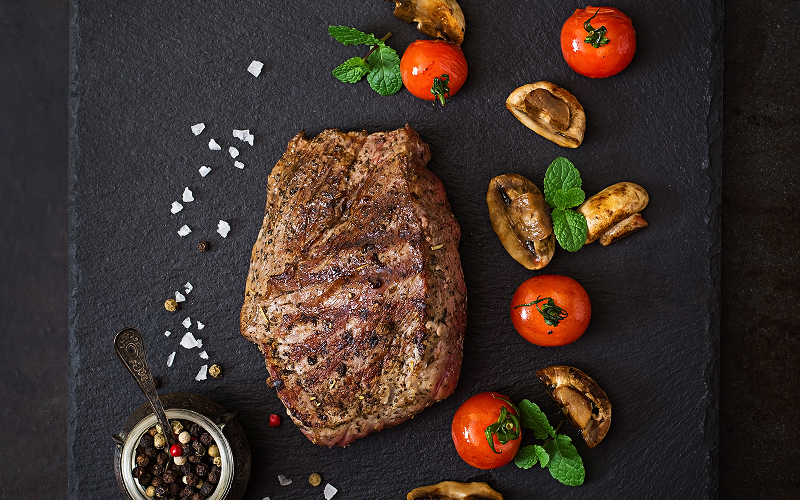
Sirloin comes from the rear section of the cow, making it more active and slightly less tender than cuts from the loin or rib. Still, it holds its own in taste.
Top sirloin contains less connective tissue, making it more suitable for grilling or broiling. It appeals to those seeking the best steak flavour without premium prices.
While it doesn’t carry the buttery finish of a ribeye or filet, sirloin delivers a beef-forward bite. Many diners appreciate its straightforward chew and bold essence.
Using marinades helps elevate sirloin, softening its texture and adding complexity. Steaks cut from top sirloin cap, known as picanha in Brazilian cuisine, perform especially well when seared and sliced thin.
Flank and Skirt: Texture Meets Intensity
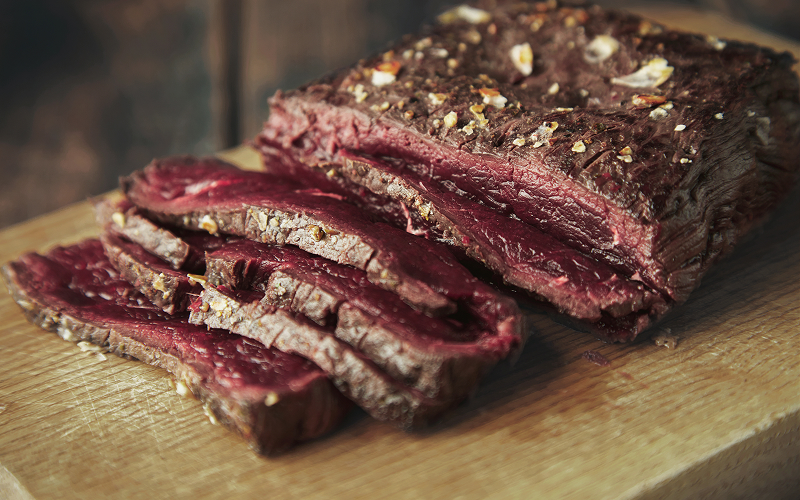
Flank and skirt steaks aren’t the most tender cuts, but what they lack in softness, they make up for in bold, beefy character. These are the go-to options for those who prefer a flavour that stands its ground. Flank is taken from the cow’s abdominal muscles, lean and dense, while skirt comes from near the diaphragm, with a bit more fat and an edge of richness.
They don’t need long cooking times or elaborate techniques. A flash on a cast iron pan or a few minutes over an open flame is all it takes. The heat seals in the juices and builds that irresistible charred crust, but here’s the key: how you slice them matters just as much as how you cook them. Cut against the grain, and even these tougher cuts transform into something tender and satisfying on the plate.
Marinades elevate these cuts. Their loose structure allows seasoning to penetrate, making them ideal for bold spice blends and acidic blends like lime or vinegar. Flank suits fajitas, steak salads, or grilled sandwiches. Skirt, on the other hand, brings smoky flair to tacos or stir-fry dishes.
Selecting a high-grade flank or skirt pays off. While marbling may not be generous, quality grades enhance tenderness noticeably. Always let these cuts rest before serving to retain moisture.
Tomahawk: Presentation Meets Powerful Taste
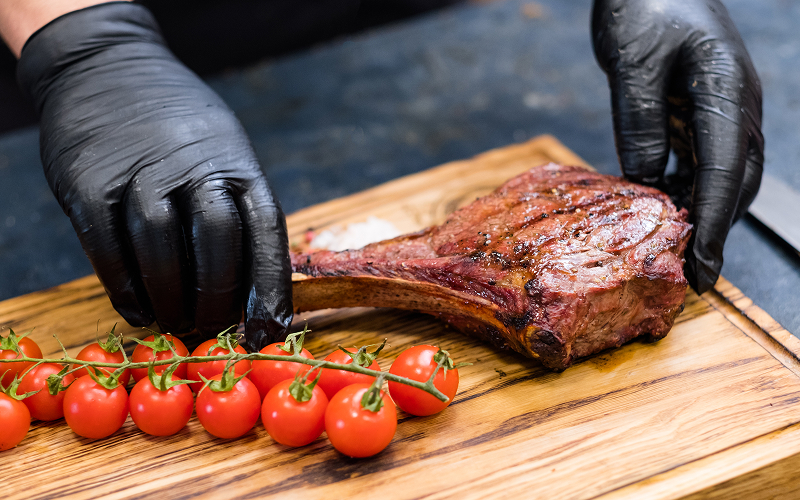
Tomahawk steak impresses even before hitting the plate. Cut from the ribeye with the entire rib bone left long and frenched, it delivers theatre and richness in equal measure. Weighing up to 1.5kg, it serves as a centrepiece for those craving the best steak with flair.
This cut brings marbling from the ribeye and added juiciness from the bone. That combination creates depth in flavour and visual impact. Cooking it requires attention—reverse-searing works well to balance the thick structure without drying the centre.
A tomahawk responds well to rosemary, thyme, or garlic butter basting. Its thickness offers a forgiving window between rare and overcooked, making it ideal for those experimenting with longer cook times.
Not every tomahawk cut earns praise. Choose Prime grade or Wagyu variants to ensure the fat content delivers the richness expected. The price might be higher, but the result justifies every cent for steak lovers chasing satisfaction.
Cooking Matters: Match Cut with Method
Picking the best steak isn’t just about the cut. The cooking method makes or breaks the experience. High-marbling cuts like ribeye or tomahawk handle grilling with ease. Dry heat melts the fat and enhances juiciness.
Leaner cuts like tenderloin and sirloin suit pan-searing, sous vide, or roasting with butter-based basting. These help retain moisture and prevent the meat from turning rubbery. Flank and skirt need fast heat and careful slicing.
Don’t underestimate resting time. Letting meat sit for 5 to 10 minutes after cooking redistributes juices, locking in flavour. Even the best steak loses appeal if cut too soon.
Avoid over-flipping. Allowing meat to develop a crust adds texture and depth. Use a meat thermometer to avoid guessing, pull steak off the heat around 130°F (54°C) for medium-rare, then rest to desired doneness.
Grass-Fed vs Grain-Fed: A Matter of Taste
Grass-fed and grain-fed beef differ in more than price. Grass-fed cattle graze on pastures, creating leaner steaks with earthy notes and firmer texture. Grain-fed beef, especially corn-finished, builds marbling faster and delivers a sweeter, creamier bite.
Choosing the best steak depends on taste preferences. Grass-fed offers complexity and suits those preferring a more natural profile. Grain-fed works well for classic buttery finishes, especially in cuts like ribeye or porterhouse.
Fat colour offers clues—grass-fed fat appears yellower due to beta-carotene, while grain-fed tends toward creamy white. Regardless of preference, consistency in sourcing helps maintain expectations.
Neither system defines quality alone. Focus on grade, ageing, and cut alongside the feeding method to get the best value and experience from each steak.
Dry-Ageing: Time-Enhancing Flavour
Dry-aged beef elevates steak by allowing natural enzymes to break down fibres while moisture evaporates, concentrating flavour. The result? A nutty, bold taste with supreme tenderness.
Most dry-aged steaks age for 21 to 45 days, though speciality cuts go beyond. Ribeye and striploin respond especially well, forming a crust trimmed before cooking. That ageing boosts umami, especially in Prime and Choice grades.
Dry-aged steak usually carries a premium. But for steak enthusiasts chasing intensity and melt-in-your-mouth texture, it’s well worth exploring. Sear quickly and serve medium-rare to experience peak flavour.
Choosing the Best Steak for the Occasion
Not every occasion calls for the same steak. A weekday dinner might lean toward sirloin or flank, offering taste without extravagance. Weekend feasts or celebrations, however, call for ribeye, tomahawk, or porterhouse.
Consider who’s dining. Tenderloin suits guests preferring leaner cuts, while striploin strikes a safe middle ground. Ribeye appeals to bold palates and seasoned carnivores. For grilling with friends, skirt or flank adds punch to casual gatherings.
Quality trumps quantity. Selecting a smaller cut with better marbling beats serving large portions lacking flavour. Know your butcher or supplier. Understanding where the meat comes from and how it’s handled shapes results just as much as cooking technique.
Ultimately, the best steak is about choosing what fits your taste, preparation method, and mood. Mastering cuts, grades, and prep techniques turns every meal into a culinary win.
Conclusion
Picking the best steak begins with knowledge of cuts, grades, and cooking techniques. Whether searing a ribeye, roasting tenderloin, or grilling flank, each decision transforms the outcome. Marbling brings juiciness, grading ensures consistency, and preparation unlocks the full potential.
Steak mastery doesn’t require a culinary degree, just curiosity, good sourcing, and a willingness to experiment. Let each cut tell a story, one bite at a time.
For more food and diet insights, health guides, and lifestyle tips that elevate every meal, visit Taste of SG.