
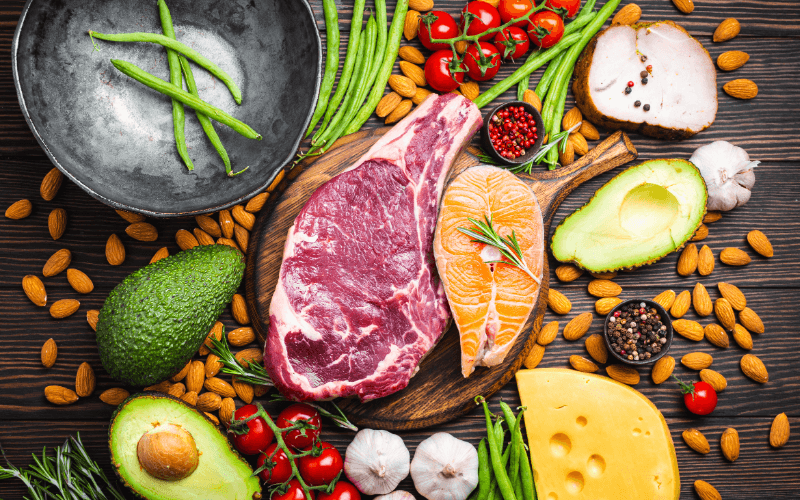
Venturing into a ketogenic lifestyle can be both daunting and refreshing. This lifestyle offers numerous health benefits such as weight loss, improved energy levels, and enhanced mental clarity. However, transitioning to a keto diet requires careful planning and understanding of the principles behind this popular approach to nutrition. Whether you’re just starting out or looking to refine your keto diet meal plan, these essential tips will help you thrive on your ketogenic journey.
Understanding The Keto Diet
The keto diet is a low-carbohydrate, high-fat eating plan that is designed to transform your body into a metabolic state called ketosis. In ketosis, your body burns fat for fuel instead of glucose, leading to more efficient energy usage and fat loss. To achieve this, your daily intake should consist of approximately 70-80% fats, 10-20% protein, and 5-10% carbohydrates.
The ketogenic diet does not necessarily mean only consuming vegetarian foods; what it means is keeping an array of items that are high-fat and low-carbohydrate, regardless of whether it’s meat or vegetables.
The secret to success on the ketogenic diet comes from understanding how to keep a balance between your macronutrients and choosing suitable keto foods. Foods such as avocados, fatty fish, nuts, seeds, and oils become staples, while high-carb items like bread, pasta, and sugary snacks are avoided. With the right choices, you can enjoy a diverse range of ketogenic diet foods without feeling deprived.
Creating A Personalised Keto Diet Meal Plan

A well-structured keto diet meal plan is essential for long-term success. Begin by identifying your daily caloric needs and macronutrient goals. Tools such as online calculators or apps can help you determine how much fat, protein, and carbohydrates you should consume based on your activity level and goals.
Include a variety of keto foods in your meal plan to avoid monotony and nutritional gaps. For breakfast, consider scrambled eggs with avocado or a chia seed pudding made with coconut milk. Lunch might include a salad with grilled chicken, olive oil, and nuts, while dinner could feature salmon with steamed broccoli and a drizzle of butter.
Snacking is also an important consideration. Opt for keto-friendly options such as cheese cubes, boiled eggs, or slices of cucumber with guacamole. Preparing your meals and snacks ahead of time helps eliminate the temptation to reach for non-keto items when hunger strikes.
ALSO READ: What Is A Flexitarian Diet? A Balanced Approach To Eating
Navigating The Transition To Ketosis
Switching to a ketogenic diet can be challenging initially, as your body adapts to burning fat instead of carbohydrates. Incorporate vegetarian foods rich in sodium, potassium, and magnesium, such as leafy greens and avocados, into your diet.
Patience is key during this phase. As your body becomes more efficient at using fat for fuel, you’ll notice improvements in energy levels and mental clarity. Regularly testing your ketone levels, through urine strips or blood monitors, can help you track your progress and stay motivated.
Selecting The Best Keto Foods
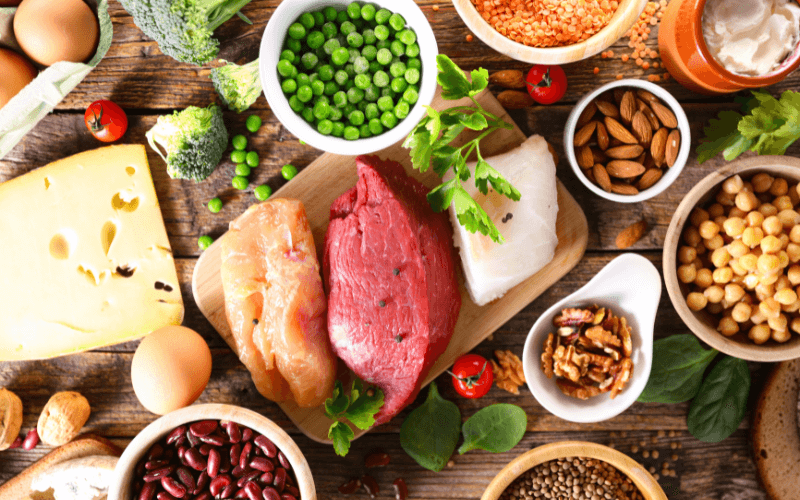
The foundation of a successful keto lifestyle lies in choosing high-quality ketogenic diet foods. Focus on whole, unprocessed ingredients that provide essential nutrients and support overall health. Healthy fats such as olive oil, coconut oil, and grass-fed butter should form the basis of your meals, while proteins like eggs, poultry, and fatty fish offer important amino acids.
Vegetarian foods are a vital component of the keto diet, with non-starchy options such as spinach, kale, cauliflower, and zucchini being excellent choices. These provide fibre, vitamins, and minerals while keeping carbohydrate intake low. Additionally, nuts and seeds like almonds, walnuts, chia seeds, and flaxseeds offer healthy fats and added texture to meals and snacks.
Avoid foods high in sugars and refined carbohydrates, such as desserts, bread, and sweetened beverages. By focusing on nutrient-dense options, you’ll not only maintain ketosis but also ensure long-term health and wellness.
Staying Consistent And Avoiding Pitfalls
Consistency is critical to thriving on a keto lifestyle. While occasional indulgences are inevitable, frequent deviations from your keto diet meal plan can disrupt ketosis and hinder progress. To stay consistent, prepare for social situations by researching menu options in advance or bringing keto-friendly dishes to gatherings.
Common pitfalls include hidden carbohydrates in packaged foods or sauces, which can unknowingly increase your carb intake. Reading labels and being mindful of portion sizes will help you avoid such setbacks. Additionally, maintaining a positive mindset and focusing on your goals can make it easier to overcome challenges and stick to your plan.
Conclusion
The keto diet offers a path to improved health and well-being, but it requires careful planning, dedication, and an understanding of its principles. By creating a personalised keto diet meal plan, selecting high-quality ketogenic diet foods, and navigating the transition to ketosis with patience, you can successfully embrace this lifestyle. Consistency and mindfulness will ensure you reap the full benefits of a ketogenic diet, making it a sustainable and rewarding approach to nutrition.
Check out Taste of SG and find out more about diet plans and some tips on how to incorporate them into your daily life.