
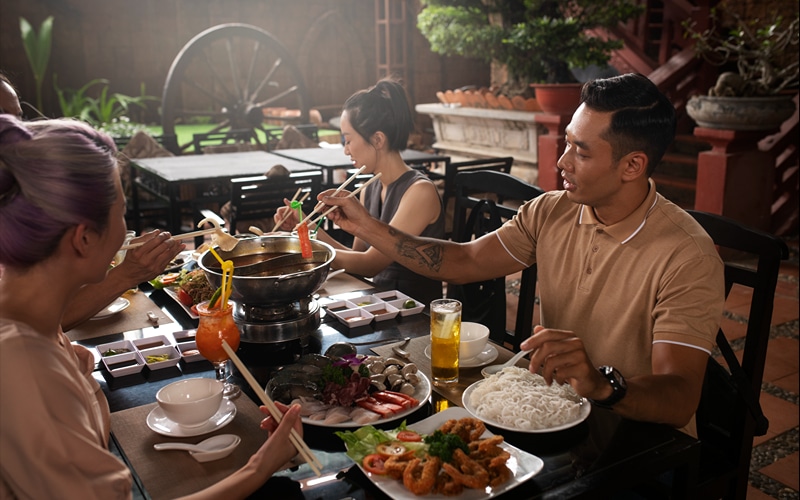
Singapore thrives on food, day and night, and in busyness for many of us, cravings don’t follow a fixed schedule. The appetite for 24-hour halal food in Singapore continues to grow—not just among Muslims, but also among diverse eaters who crave trusted, accessible meals beyond conventional hours. Whether it’s a post-tarawih supper or a spontaneous prata run after midnight, halal food remains a cultural and culinary pillar.
Several reasons explain the growing demand for a constant 24-hour halal food in Singapore. Fast-paced lifestyles, gig economy jobs, and shifting meal patterns all contribute to late-night dining habits. More professionals now work across time zones, while others clock out only after midnight. Students, hospital workers, and drivers all keep moving outside traditional meal windows. For them, 24/7 halal accessibility is a survival rather than an option for luxury.
Muslim consumers also care about certification apart from availability. The convenience of food must match the confidence in its preparation and sourcing. Before, finding halal food at odd hours often meant relying on word of mouth or physical exploration. It limited choice and made late-night meals feel more like a compromise than a reward.
That landscape no longer defines modern dining, and advancements in food tech shift the experience entirely. Apps, platforms, and logistics tools turn the entire city into an open kitchen that offers 24-hour halal food in Singapore. You’re no longer stuck with just the nearby mamak stall. Technology puts halal-certified satay, fried rice, or even grilled salmon one tap away.
These tools grant abundant food options for everyone. Choices filtered by dietary rules, opening hours, location, and even reviews. They reflect a connected community with shared standards, not just convenience.
Tech continues driving this momentum forward. What once required local know-how now runs on real-time data, intuitive apps, and shared digital maps. The halal dining culture now lives online as much as it does in kopitiams and hawker stalls.
The Emotional Side of Halal Food Access
Late-night halal meals can also create memories. Shared prata after taraweeh prayers, solo meals between work shifts, or quiet bowls of mee soto after a long day, these moments stay with people. Accessing 24-hour halal food in Singapore allows Muslims to honour both their faith and lifestyle without compromise.
Tech platforms enhance those emotional connections. Food arrives hot, fresh, and on time. Reviews come from people with similar values. Even during holidays or personal milestones, halal food stays accessible. Whether you’re celebrating, reflecting, or simply hungry, the ability to enjoy halal food without barriers adds comfort, connection, and calm to urban living.
How Mobile Apps Are Powering Halal Food Discoveries
Mobile apps shape how users eat. For halal diners, they now serve as gatekeepers and guides. The search for 24-hour halal food in Singapore begins on screens, on MRT platforms, in the back of cabs, or during quick work breaks. What matters isn’t just availability but relevance. Users no longer scroll endlessly. They expect smart filtering, location-based results, and halal guarantees before deciding.
These apps, such as GrabFood, Deliveroo, Foodpanda, etc., also offer customisation tailored to Muslim lifestyles. Some even sync with prayer schedules or indicate whether premises accommodate Islamic guidelines in dining practices. As meal times shift during Ramadan or fasting days, real-time filters adapt to user needs, making the app experience dynamic and meaningful.
Search tools improve constantly thanks to regular updates. Auto-complete functions now prioritise halal-related keywords. Location-based services learn your preferences and push relevant notifications. Users in Sengkang receive suggestions different from those in Jurong. Algorithms favour proximity, popularity, and reliability. This narrows down decision-making and removes friction when one wishes to look for a tasty 24-hour halal food in Singapore.
Users also benefit from community-generated content. Ratings, photos, comments, and even warnings about cross-contamination appear under listings. These inputs form a digital trust system. Diners no longer rely solely on the halal certificate displayed on-site; they cross-reference insights from others, enhancing confidence and transparency.
Some apps even support dynamic time filters, helping users locate eateries open from midnight to 4 AM with halal tags. This feature benefits those living far from the central food scene. You might discover a North-side stall serving halal nasi goreng at 3 AM that no travel guide has ever mentioned.
Additionally, loyalty systems reward repeat orders from halal-certified merchants. Cashback programs, in-app coupons, or stamp cards help stretch value and build a habit. These mechanisms encourage support for small Muslim-owned businesses that operate late or irregular hours, giving them a boost in visibility and viability.
All this transforms mobile apps from simple discovery tools into halal lifestyle platforms. They reduce uncertainty, enable safer dining decisions, and allow Muslim consumers to enjoy variety without breaking dietary trust. As developers continue to enhance integrations, discovering 24-hour halal food in Singapore stays effortless, even after midnight.
Food Delivery Platforms and Real-Time Halal Options
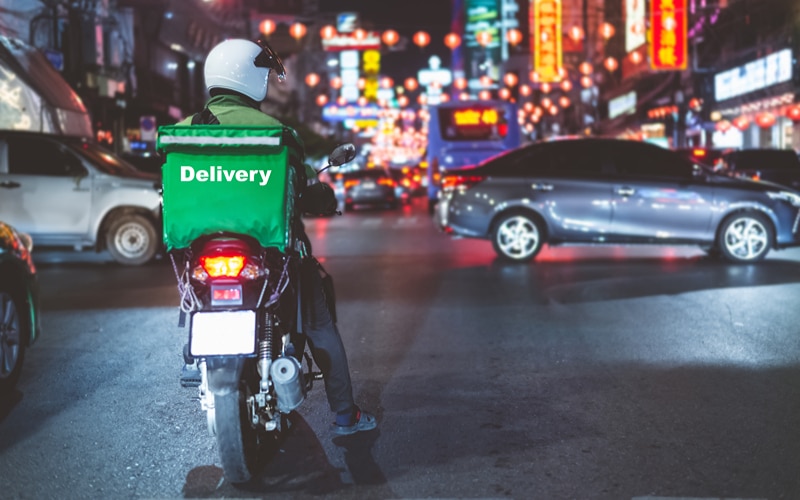
Delivery apps changed food access, but for seekers of 24-hour halal food in Singapore, the change goes deeper. Algorithms, logistics, and UX design work together to meet late-night cravings while preserving halal integrity. From dorm rooms to industrial estates, users rely on these platforms to bring certified meals to doorsteps 24/7.
Delivery apps now label halal partners more clearly with verified badges, menu icons, and even in-app halal sections, which makes the ordering process smoother. The fear of ordering non-compliant meals disappears once users see certification upfront, helping users stay compliant, even when hunger strikes outside the usual hours.
Late-night halal food searches, once dominated by generic listings, now yield curated results. Enter “halal supper” or “24-hour halal food in Singapore,” and the app suggests open merchants with real-time availability. Smart filters display dishes, price ranges, user favourites, and even estimated delivery durations.
Dynamic data fuels these updates, where merchant dashboards sync with backend systems to show availability changes. For example, when a halal stall in Toa Payoh runs out of biryani at 2 AM, users in nearby areas receive updated menus or substitutes. This prevents frustration and reduces cancelled orders.
Some platforms use “batching” strategies to consolidate late-night orders. Users within the same zone receive meals together, improving speed and reducing delivery fees. Riders with halal-only orders follow route segregation protocols to avoid cross-contamination during handling.
Partnerships between delivery platforms and halal vendors also keep expanding. Some operators open cloud kitchens strictly for halal brands. These run overnight and rely on lean staff and digital-only menus. Their presence enables halal delivery even in areas without traditional hawker setups.
App ecosystems also integrate loyalty programs for halal dining using vouchers to unlock discounts for minimum spends at halal restaurants. Subscription services offer free delivery from halal merchants during off-peak periods, turning halal delivery into an everyday luxury rather than an emergency fallback.
Ultimately, the fusion of delivery logistics and halal certification makes food access seamless. You no longer need to settle for whatever’s left when looking for 24-hour halal food in Singapore. You can browse, customise, track, and rate halal meals with confidence, even at 3 AM, in the middle of a work shift or after a late event.
Digital Maps and Community-Driven Reviews for Halal Food Hunting
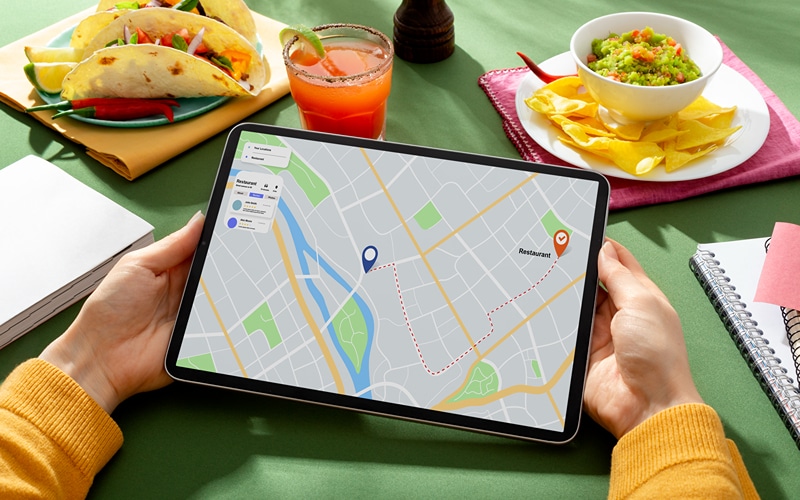
Maps used to guide people from point A to B, but now, they guide cravings. Whether you’re hungry after midnight or just left for a night shift, digital maps can point you straight to a nearby 24-hour halal food in Singapore you can trust with more positive reviews.
Online mapping tools now provide filters that prioritise halal listings. Tap a few settings, and you’ll find halal burger joints open at 2 AM or noodle shops still serving past midnight. Location data combines with user tags, business metadata, and live traffic to deliver real-time results based on your current area.
Beyond business names and hours, users contribute honest reviews, star ratings, photos, and halal-specific notes. These snapshots carry more value than generic descriptions. A diner marking a stall as “halal-certified with clear signage” or “muslim-owned but no visible cert” helps build collective understanding of what’s safe to eat.
Some users go even further by uploading images of certification, food preparation, or menus showing “no pork/lard,” making it easier for new diners to decide quickly without doubt or second-guessing.
Night owls seeking 24-hour halal food in Singapore use maps differently from day diners. They rely on zoomed-in search zones, direction estimates, and open-now filters. Apps that refresh restaurant status every few minutes help cut frustration. If a listing goes dark or marks itself “closed,” users know immediately and pivot their plans.
Map-based communities also share unlisted finds, and through reviews, photos, and tags, small halal outlets get attention, even without a formal online presence. Late-night roti john stalls, mobile satay grills, and temporary Ramadan pop-ups gain visibility this way.
Updates to mapping platforms now allow integration with delivery apps, transport tools, and curated lists. This cross-functionality means one app can help you navigate, order, and pay in just a few taps. Some halal food bloggers even create downloadable halal trails on maps, pinning their favourite 24-hour halal food in Singapore for others to follow.
For the halal diner navigating unfamiliar neighbourhoods at odd hours, digital maps provide more than convenience. They offer a collective intelligence of reviews, routes, and recommendations built by other Muslims with similar concerns and cravings.
Tech in Hawker Centres: Smart Ordering and Contactless Payments
Hawker centres remain Singapore’s beating culinary heart. For halal food, they’re often where the best late-night gems hide—murtabak, mee goreng, sup tulang, and satay sizzling until 3 AM. But these spaces also evolve, thanks to tech pushing convenience, safety, and speed.
Smart ordering systems, even for diners offering 24-hour halal food in Singapore, now appear at more hawker stalls, especially those in central districts and night zones. Diners no longer queue with paper slips or shout orders over the noise. Instead, touchscreen kiosks or QR menus streamline everything from selection to customisation.
These digital menus often highlight halal dishes with icons or tags. Some link directly to certification databases, verifying the stall’s status. Others allow translation toggles for tourists or non-Malay speakers seeking halal options.
Late-night service becomes smoother with these systems. Stallholders update menus remotely, indicate item availability, or toggle to “resting” mode during prep breaks. Diners avoid disappointment by seeing in real-time whether their preferred item remains in stock.
Contactless payments for 24-hour halal food in Singapore push efficiency further, especially with platforms like PayNow, SGQR, or digital wallets, which allow cash-free transactions even during peak supper hours. No more fumbling for coins or waiting for change. For vendors operating slim shifts or solo, every second saved matters.
Some hawkers even install order-tracking screens, displaying queue numbers, prep status, and estimated wait times. Hungry diners scan a code, place their order, then return to their table while tracking updates on their phone. Such upgrades bring hawker dining closer to the digital standards of large restaurants, all while maintaining food that is more affordable and accessible.
What makes tech especially powerful in halal hawker stalls is how it preserves trust. When diners scan menus and see certification info or allergen warnings clearly marked, decision-making becomes safer. Even better, some smart systems include suggestion algorithms that prompt users with halal dishes based on previous visits or dietary filters.
Through smart ordering and payment tech, Singapore’s hawker centres stay connected to modern dining habits. For halal seekers out past midnight, these innovations reduce guesswork and make the entire meal process, from queue to payment, fluid and frictionless.
Role of Social Media in Sharing 24-Hour Halal Food Hotspots

Social media holds the power to transform meals into movement, and for halal diners in Singapore, it serves as an alert system, discovery tool, and community board rolled into one. The hashtag #24hourhalalfoodSG or a quick scroll through TikTok often reveals more late-night halal finds than any official guidebook ever could.
Food bloggers and influencers also play a significant role. Many focus exclusively on halal food content, such as reviewing new openings, creating reels of supper spots, or publishing quick reviews from lesser-known areas or diners offering 24-hour halal food in Singapore. Some go the extra mile by showing ingredients, preparation techniques, or live tastings during Ramadan bazaars and supper haunts.
These micro-reviews carry weight. A five-second video showing halal ramen steaming in the middle of the night or a breakdown of halal Mexican burritos available 24/7 sticks with viewers. Followers trust these creators because they live the lifestyle, and they don’t just promote—they actively participate.
Halal-focused Facebook groups and Telegram channels also help along the way, where members can drop late-night discoveries, flash deals, or real-time updates about stall availability. These alerts matter most during busy months like Ramadan or weekends when food runs out fast. The community vibe ensures no one misses out on the good stuff.
Instagram Stories now function like live halal food maps. People share geotagged finds, poll followers on supper preferences, or even host Q&As on halal options across Singapore. The result? A constant cycle of discovery powered by authentic voices, not sponsored posts.
Whether cloud kitchens, home-based bakers, or hidden kopitiam stalls, many build their first customer base online via social media. Word spreads fast when someone posts, “This Muslim-owned nasi lemak stall opens till 4 AM—must try!” It creates opportunities for new halal vendors to gain traction.
For the halal food scene, this exposure goes beyond viral trends. It creates networks of trust and support. People share recommendations because they care, not just about taste but also compliance, transparency, and cultural connection.
Through short videos, shared lists, and tagged reviews, social media becomes a halal food compass. It sharpens the search for 24-hour halal food in Singapore with bite-sized information delivered in real time, helping communities eat better and stay connected, anytime, anywhere.
Cloud Kitchens and the 24-Hour Halal Food Supply Chain
Cloud kitchens sit at the intersection of technology and practicality. For halal food operators, they offer a powerful solution, running fully equipped kitchens designed for delivery without the expense of maintaining storefronts. In a city where space is limited and rent remains high, this model changes the halal food game entirely.
Halal cloud kitchens now serve multiple needs. They operate late without violating dine-in curfews, reduce manpower costs, and allow batch preparation for peak periods. Some open exclusively during supper hours to capture the demand for 24-hour halal food in Singapore. With orders arriving through multiple apps, these kitchens remain busy, even behind the public eye.
Most cloud kitchens link directly to delivery platforms, POS systems, and menu management dashboards. Vendors can monitor orders, tweak availability, and switch off listings temporarily if ingredients run out. This prevents service lapses and ensures consistency across all halal offerings.
What makes these kitchens especially effective for halal businesses is control. Owners determine ingredient sources, kitchen layout, prep flow, and compliance protocols. Centralised operations allow better segregation, cleaner storage, and less cross-contact risk. Many go further by obtaining official halal certification for the entire facility.
This model supports small Muslim-owned startups launching food concepts without taking massive risks. One team can run multiple virtual brands, halal pizza, nasi lemak, and Korean rice bowls, all from one location. Each brand targets different cravings, but all remain halal-certified and available past midnight.
The efficiency of these kitchens also empowers food truck-style operations and short-term menu testing. With low setup costs and rapid deployment, halal vendors experiment with offerings during festive seasons or Ramadan.
As digital tools evolve, expect more automated kitchens, robotic assistance, and AI-powered demand forecasting to enter the halal cloud space to help operators serve more meals, reduce waste, and optimise delivery routes—all while keeping halal compliance intact.
Cloud kitchens extend halal food access beyond geographic limits. You no longer need to live near Geylang or Kampong Glam to enjoy freshly made halal dishes at odd hours. Through these setups, 24-hour halal food in Singapore now reaches condos, suburbs, and industrial areas without sacrificing quality or trust.
ALSO READ: Supper In Singapore: Where First-Timers Should Eat After Dark
The Future of Tech and Halal Food Accessibility in Singapore

Singapore’s digital infrastructure keeps expanding, and halal food culture evolves with it. The next frontier of 24-hour halal food in Singapore will likely emerge from a mix of artificial intelligence, IoT kitchen tools, and smart logistics powered by data.
AI-driven apps may soon offer predictive suggestions based on fasting schedules, dietary patterns, or GPS habits. Imagine opening an app after Ishaak prayers and getting real-time halal food suggestions tailored to your mood, distance, and delivery window. That future is closer than it seems.
Kitchens already test automation with robotic cooking arms and smart fryers. In halal setups, these tools reduce cross-contamination and improve consistency. When paired with sensors and smart storage, they also help monitor ingredient expiry, ensuring quality and safety with minimal waste.
Blockchain may also enter halal certification to enhance security and transparency. Some startups work on embedding halal assurance in digital ledgers—linking farm-to-table traceability with verified compliance records. This would give users full visibility into where meat was sourced, how it was processed, and how the meal reached their plate.
Real-time crowdsourced feedback will continue improving access. Diners can flag lapsed certification, incorrect tags, or misleading listings directly in apps. The halal tech community remains highly responsive, constantly improving based on shared concerns.
Expect better multilingual integration in digital menus and apps, making halal access easier for tourists and new residents unfamiliar with local systems. Voice search, visual menus, and AI translation tools will help cross language gaps quickly.
Smart vending machines may soon offer halal snacks or meals in residential areas, transport hubs, and campus blocks. Stocked centrally and replenished via data-driven models, these machines provide 24-hour halal food in Singapore without needing human staff on-site.
The government’s Smart Nation push continues to support food innovation through funding, infrastructure, and regulation. As halal vendors plug into this ecosystem, more tools will become accessible, from payment systems to virtual branding support.
The goal isn’t just to make halal food available, but to make it effortless, personalised, and accurate. With every technological advancement, halal food culture in Singapore grows more integrated with everyday digital living, while serving faith, convenience, and modern expectations in one bite.
Final Thoughts and Lifestyle Takeaway
Tech is simply expanding halal culture. From GPS-guided searches to algorithm-powered cloud kitchens, the halal food experience now lives comfortably in the digital world. The search for 24-hour halal food in Singapore has become smoother, faster, and more fulfilling. What used to take calls, long walks, or guesswork now requires a tap and a scroll.
For young Muslims, tech serves as a toolkit, bridging halal dining with modern lifestyle needs. For food entrepreneurs, it offers opportunities to scale ethically and reach new audiences. For every late-night diner, it offers trusted food when hunger strikes hardest.
Even more encouraging is how technology protects halal values. Reviews, real-time verification, community input, and transparency keep halal standards strong, even in the age of instant delivery and ghost kitchens offering 24-hour halal food in Singapore.
Singapore stays ahead because it blends heritage with innovation. The halal food scene follows the same rhythm. And now, whether it’s 4 PM or 4 AM, halal food remains just a click away, clean, convenient, and completely connected, just as it should be.
Hungry for more insights? Visit Taste of SG for smart tips on health and fitness, lifestyle, food and diet, and the latest tech shaping everyday experiences.