
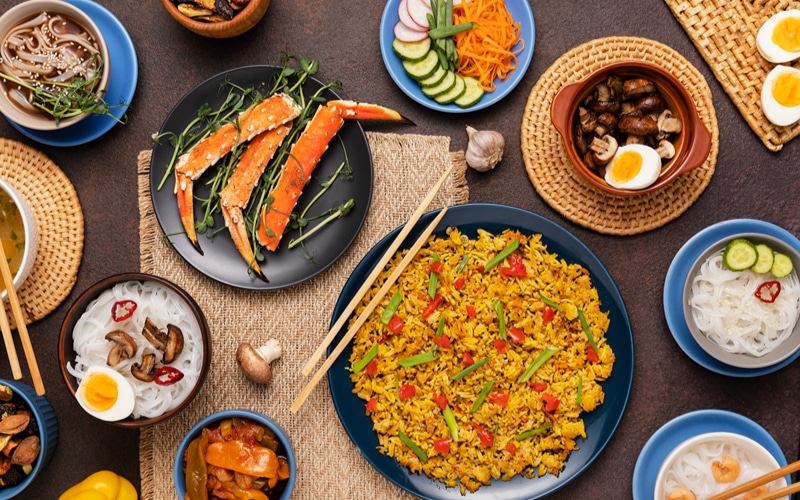
Malaysian food reflects centuries of cultural blending. The cuisine is shaped by Malay, Chinese, Indian, and indigenous influences, creating a diverse dining experience. Each group introduced ingredients and methods that became part of everyday meals. The outcome is a cuisine where spices are not decorations but the main drivers of taste. In Singapore, stalls and restaurants specialising in Malaysian food highlight how these traditions remain popular beyond their place of origin.
The Spice Routes That Shaped History
Trade and Influence
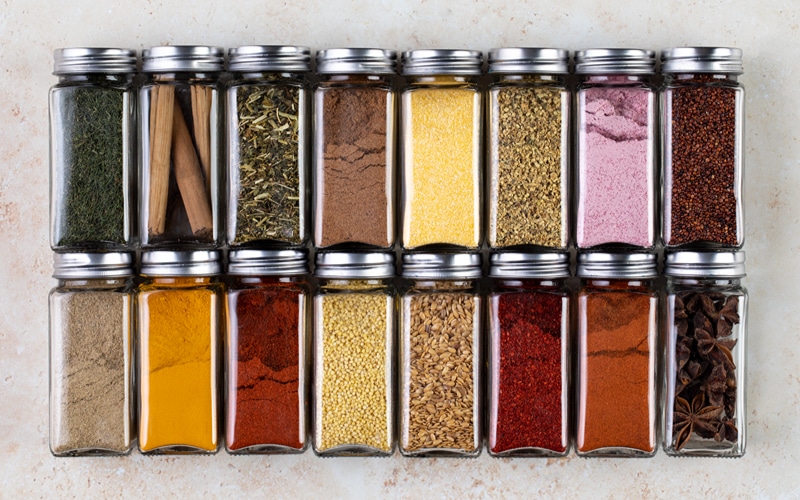
Spices such as pepper, cinnamon, and star anise entered Malaysia through historic trade routes. Merchants from India, the Middle East, and China exchanged more than goods; they shared cooking traditions. Over time, these influences rooted themselves in local kitchens, shaping how Malaysian food is prepared and enjoyed today.
These exchanges also built cultural bridges. Traders who settled introduced new farming and storage methods, allowing locals to cultivate and preserve spices more effectively. This integration of knowledge expanded both the quantity and quality of spices used in everyday dishes.
Local Adaptations
Imported spices adapted to local produce. Lemongrass, turmeric, and galangal became staples that define dishes like rendang and laksa. These adaptations show how Malaysian food is flexible yet deeply rooted in tradition, using both global and local elements to build flavour.
Local cooks did not simply copy foreign methods. They experimented with pairings unique to the region, such as blending coconut milk with strong spice bases. The results created entirely new dishes that are now seen as national favourites.
Key Ingredients That Define the Cuisine
The Role of Chillies
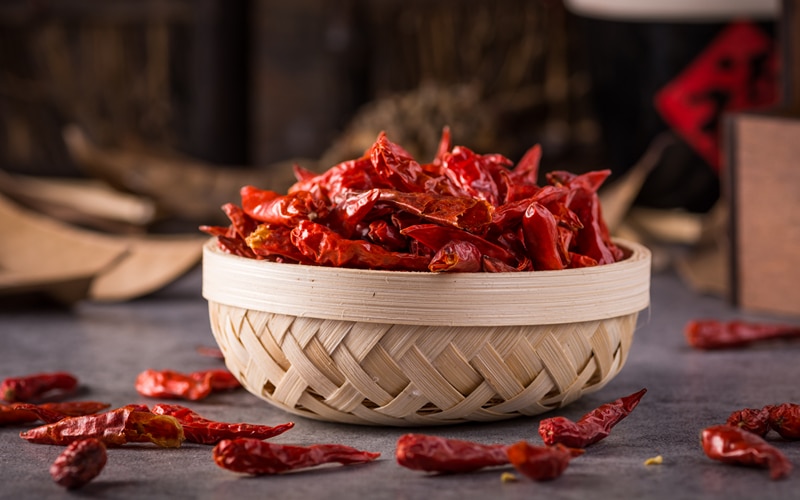
Chillies play a central role in Malaysian food. Fresh, dried, or ground into pastes, they deliver heat and depth. Sambal, a chilli-based condiment, is a staple on many tables. It can be mild or fiery, offering diners the choice to adjust spice levels to their liking.
Beyond heat, chillies bring colour and aroma. Their inclusion in stews, stir-fries, and sauces adds vibrancy, making dishes appealing to both the eye and the palate. The versatility of chillies demonstrates their place as a cornerstone of Malaysian cooking.
ALSO READ: Feel The Burn From Singapore’s Spiciest Dishes
Coconut and Creaminess
Coconut milk is another defining element. It balances spice with creaminess, adding richness to curries and soups. In dishes like nasi lemak, coconut rice becomes the centrepiece, demonstrating how a single ingredient can elevate an entire meal.
Coconut is used beyond milk. Grated coconut appears in desserts, while toasted coconut adds texture to savoury dishes. This variety of uses reflects how deeply integrated the ingredient is in Malaysian food culture.
Herbs that Freshen the Plate
Herbs such as kaffir lime leaves, pandan, and coriander brighten strong flavours. They provide balance, ensuring Malaysian food is bold but never overwhelming. Their use highlights the skill of pairing intense spices with refreshing notes.
These herbs also act as natural garnishes, enhancing presentation. The aroma released when fresh leaves are torn or chopped contributes as much to the dining experience as the taste itself.
Dishes That Tell Stories
Rendang and Patience
Rendang, often called a slow-cooked dry curry, shows the patience behind Malaysian food. Meat is simmered for hours with coconut milk and spices until tender. This technique ensures deep flavour, rewarding diners with every bite.
Rendang also represents celebration. It is often prepared for festivals and family gatherings, symbolising both hospitality and tradition. The dish connects communities through shared meals and long-standing customs.
Laksa and Fusion
Laksa demonstrates how Malaysian food thrives on cultural overlap. In Singapore, both curry laksa and asam laksa are popular, with one leaning towards coconut richness and the other towards tamarind tang. Each bowl reflects the blending of influences that define the cuisine.
Laksa also illustrates regional pride. Different states and cities claim their own versions, showing how one concept can branch into numerous interpretations while staying true to its roots.
Satay and Social Eating
Satay skewers highlight the social side of Malaysian food. Marinated meats are grilled and served with peanut sauce. The smoky flavour and communal eating style make satay a favourite at gatherings, reflecting the culture’s emphasis on sharing.
Satay stalls also represent accessibility. They provide affordable yet flavourful meals, making them favourites among street food lovers. This accessibility keeps satay relevant across generations.
The Practical Side of Spices

Preserving Food
Before refrigeration, spices were key to preservation. Salt, turmeric, and vinegar-based pickles kept food edible in hot climates. Malaysian food still uses these methods, not only for practicality but for flavour development.
These techniques gave rise to signature preserved dishes, such as achar, a pickled vegetable side dish. They remain popular today, showing how necessity once created flavours that stood the test of time.
Health Benefits
Turmeric and ginger, common in Malaysian food, are linked to health benefits. They aid digestion and add natural antioxidants. These elements show that taste and wellness can coexist in one meal.
Modern research continues to highlight these benefits, reinforcing traditional knowledge. The inclusion of such ingredients demonstrates how Malaysian food naturally supports a balanced lifestyle.
Eating Habits and Daily Life
Breakfast Choices
Malaysian food offers hearty breakfasts. Nasi lemak, roti canai, and kaya toast provide energy for the day. In Singapore, these dishes remain popular morning staples, showing their appeal across borders.
Breakfast habits also reflect variety. While nasi lemak offers a savoury start, kaya toast satisfies those with a sweet preference. This balance ensures there is something for every taste.
Street Food Culture
Street stalls form the backbone of Malaysian food culture. Char kway teow, mee goreng, and satay can be found in bustling hawker centres. In Singapore, hawker culture preserves these traditions, giving diners authentic experiences without needing to travel. Street dining also fosters connection. Crowded hawker centres encourage people to share tables and conversations, proving that food culture is about more than flavours alone.
Malaysian Food in Singapore

Hawker Highlights
In Singapore, Malaysian food finds a strong presence in hawker centres. Dishes like char kway teow, nasi lemak, and satay remain crowd favourites, served quickly and affordably. Their popularity shows how these meals fit seamlessly into everyday dining in the city.
Hawker stalls also preserve authenticity. Many are run by families with roots in Malaysia, ensuring the flavours remain close to tradition while still adapting to local preferences.
Restaurant Adaptations
The restaurants in Singapore offer Malaysian food with greater variety and presentation. Menus often highlight rendang, laksa, and curry chicken, catering to both locals and tourists seeking bold flavours. These settings provide a different atmosphere compared to hawker stalls, offering comfort while staying connected to tradition.
Some restaurants also innovate by mixing Malaysian food with other Asian cuisines. These adaptations reflect Singapore’s diverse culture, giving diners new ways to enjoy familiar flavours.
Community and Identity
Malaysian food in Singapore also builds cultural bridges. Festivals and food events often feature Malaysian dishes, reminding people of shared heritage across the region. The cuisine becomes part of a broader narrative of community, identity, and connection.
These gatherings highlight how Malaysian food is more than flavour. It represents stories of migration, adaptation, and unity in Singapore’s multicultural dining landscape.
Advancements in Malaysian Cuisine
Modern Kitchens
Today, Malaysian food benefits from modern kitchens while staying true to its roots. Chefs refine traditional recipes with contemporary methods. Vacuum sealing or sous-vide cooking ensures consistency without losing flavour. These advancements allow the cuisine to reach new audiences while maintaining authenticity.
Modern kitchens also support efficiency. Restaurants can prepare large batches without compromising on quality, making traditional dishes more accessible to busy urban diners.
Global Recognition
Malaysian food is now recognised worldwide. Restaurants in Singapore, London, and New York serve rendang, nasi lemak, and laksa. This expansion is supported by accurate representation of flavours, proving that the cuisine has staying power abroad.
Recognition also leads to innovation. As Malaysian food gains global attention, chefs experiment with fusion menus, blending local spices with international ingredients while keeping the essence intact.
Sustainability Efforts
With growing awareness of sustainability, Malaysian food producers and chefs adapt by sourcing responsibly. Local farms supply herbs and vegetables, while sustainable fishing supports dishes like ikan bakar. These efforts align with global concerns and keep traditions relevant. Sustainability also creates opportunities for education. Diners become more aware of the origins of their meals, fostering appreciation for both food and the environment.
Social and Cultural Value
Festivals and Food
During festivals like Hari Raya and Chinese New Year, Malaysian food plays a starring role. Families gather around rendang, ketupat, and pineapple tarts. These dishes connect people to heritage, reinforcing cultural identity through meals. Festival meals and event catering also act as reminders of unity. They bring communities of different backgrounds together at one table, showing how food celebrates harmony.
Building Community
Shared meals are central to Malaysian food culture. The act of dining together strengthens relationships. In Singapore, community events often feature Malaysian food, showing its role in creating unity across cultures. Community dining also supports local economies. Hawker centres and neighbourhood stalls thrive when communities gather, ensuring traditions continue through everyday support.
Why Spices Matter
Malaysian food is bold because spices are treated with respect. They are roasted, ground, and blended to unlock their full potential. This process takes time and skill, proving that flavour is not accidental but carefully built. Attention to detail also matters. Each step in handling spices, from roasting to storing, influences the final taste, underscoring the care embedded in Malaysian cooking.
Malaysian food offers variety, depth, and culture on a plate. Whether enjoyed at a hawker stall in Singapore or a family kitchen in Malaysia, its bold flavours tell a story of history and community. The next time you sit down for nasi lemak or laksa, you are tasting centuries of tradition. Visit Taste of SG to explore more about Malaysian food and where to enjoy it.