
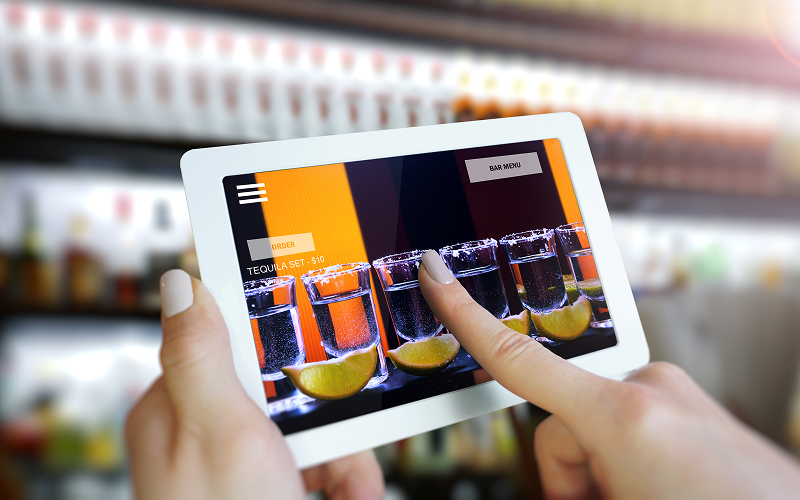
Cocktail bars have witnessed substantial transformations during the past decade, owing to the rapid adoption of new technologies. Once reliant purely on skilled bartenders and traditional tools, today’s bars blend craftsmanship with innovation to meet modern consumer demands. From ordering systems to back-end analytics, technology is transforming how cocktail bars operate, engage customers, and compete in a digital-first hospitality environment.
Traditional Technologies in Cocktail Bars
Cocktail bars depended heavily on manual operations before the digital shift. Tools like cocktail shakers, jiggers, muddlers, and speed pourers were staples behind the bar. Bartenders memorised recipes, handled orders verbally, and relied on years of experience to deliver consistent quality. POS (Point-of-Sale) systems were relatively basic, often limited to billing and rudimentary sales tracking. Inventory checks were done manually, often leading to discrepancies and inefficiencies. The music ambience was set through basic stereo systems or DJs. While effective, these tools left room for error, lacked scalability, and couldn’t provide the data-driven insights now expected in modern venues.
ALSO READ: Top 10 Cocktail Bars in Singapore for After-Work Drinks and Unwinding
Current Technologies Used in Cocktail Bars
Today’s cocktail bars integrate multiple digital tools to streamline front-of-house and back-end operations. These technologies improve service delivery and enhance the overall customer experience.
1. Smart Ordering Systems
Many cocktail bars have replaced traditional menus with digital interfaces. Touchscreen tablets, QR code menus, and mobile ordering apps allow guests to browse options, customise drinks, and place orders directly. These systems reduce wait times, minimise errors, and allow bars to update offerings in real-time without reprinting menus.
2. Robotic Bartending Stations
Automated mixology systems like Makr Shakr or Barsys are appearing in high-traffic or high-concept venues. These systems use pre-programmed recipes to prepare consistent cocktails at speed. While not replacing human bartenders, they offer novelty and operational efficiency during peak hours.
3. Inventory Management Software
Digital inventory systems now track ingredient usage, restock alerts, and cost control metrics. These systems integrate with POS data to forecast trends, identify top-selling items, and minimise wastage. This real-time insight helps cocktail bars maintain profitability and reduce overheads.
4. Augmented Reality and Immersive Menus
Some high-end bars employ augmented reality for storytelling. Guests can view an interactive experience when scanning menu items, showcasing ingredient sourcing, mixology steps, or cocktail backstories. It adds a theatrical layer to the drink selection process and encourages social sharing.
5. Data Analytics and Customer Profiling
Loyalty programmes and reservation systems now collect customer data, allowing bars to personalise service. Frequent visitors can receive targeted promotions, while bars can tailor experiences based on order history and preferences. Data is also used to determine optimal staffing, menu rotation, and promotional timing.
6. Smart Lighting and Ambience Control
Lighting systems synced with music or time-of-day settings allow bars to shift moods instantly—from upbeat happy hours to intimate evening settings. Voice or app-controlled lighting enhances energy efficiency and atmosphere customisation.
7. Social Media Integration
Photo-ready drink presentations, interactive displays, and branded hashtags are now part of the design strategy. Bars engineer every visual and experiential element to drive organic exposure through customer social media posts, turning guests into brand ambassadors.
ALSO READ: Why Singapore’s Best Restaurants Are Going Cashless
The Future of Cocktail Bar Technology
Looking ahead, technology will become more integrated and AI-driven. Expect to see:
- Voice-Activated Ordering Systems: Allowing hands-free, contactless drink customisation and ordering.
- Blockchain-verified Ingredient Tracing: Providing transparency on sourcing and quality.
- AI-Powered Mixology Assistants: Using machine learning to create bespoke cocktails based on mood, weather, or personal preferences.
- IoT-Connected Barware: Smart shakers and pourers linked to dashboards for tracking consistency and recipe adherence.
- Sustainability Analytics Platforms: Monitoring energy, waste, and carbon output to help bars meet green targets.
These innovations aim to combine personalisation, transparency, and operational excellence in a single ecosystem.
ALSO READ: A Guide To The Perfect Night Out In Singapore: Cafés, Clubs & Comedy
Technological Challenges and Considerations in Cocktail Bars
Despite its benefits, implementing technology in cocktail bars is not without challenges.
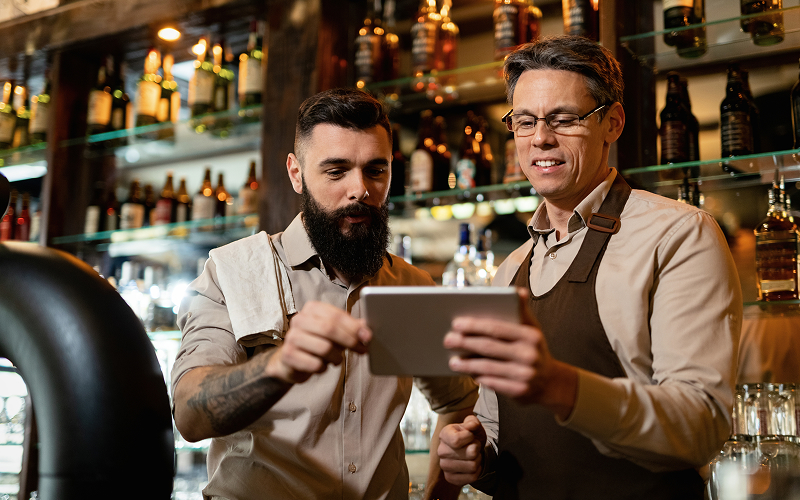
One key concern is cost—adopting robotics, smart systems, or custom software involves upfront capital that may be hard to justify for smaller venues. There’s also the training gap, as staff must adapt to using new tools while maintaining high service standards. Another issue is data privacy. Due to loyalty apps and profiling tools collecting guest information, bars must comply with data protection regulations and ensure ethical use.
Additionally, there’s a risk of over-automation. While efficiency is critical, too much reliance on tech can strip away the human element that defines hospitality. Guests still value storytelling, bartender flair, and personalised service, which machines can’t fully replicate.
Finally, maintenance and system downtime can be disruptive. A malfunctioning tablet menu or robotic station during peak hours can hinder service and affect brand perception.
For these reasons, bars must maintain a balance between innovation and reliability, ensuring contingency plans are in place.
Conclusion
The tech evolution in cocktail bars reflects broader shifts in hospitality, such as a focus on convenience, customisation, and immersive experiences. While traditional tools and human skills remain foundational, modern bars increasingly depend on digital systems to stay agile, efficient, and customer-focused. Bars that blend technological innovation with authentic service will stand out as the industry matures. The future rests not in choosing between technology and tradition but in combining the two to produce a seamless, enhanced drinking experience.
Visit Taste of SG for the latest food tech trends, spot reviews, and insider tips on where to get the hottest meals in town.