
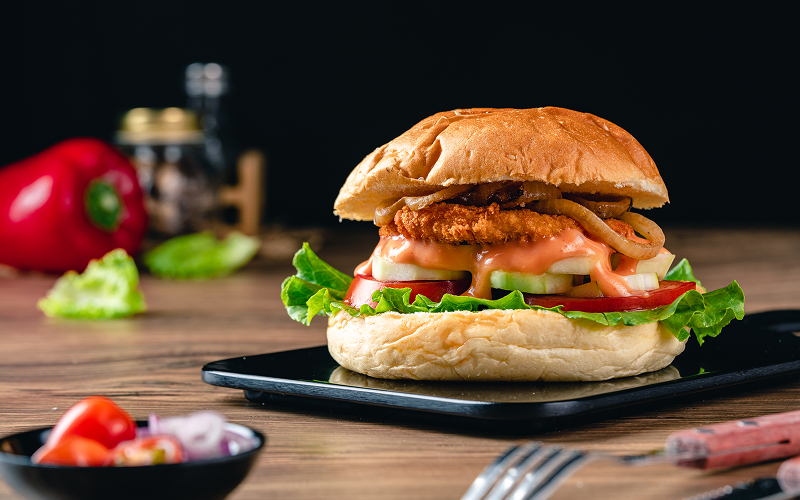
The nasi lemak burger is a fusion food craze that combines Singapore and Malaysia’s beloved traditional breakfast dish with the fast-paced world of Western-style fast food. Nasi lemak burger, popularised by big fast-food chains and duplicated by local gourmet burger establishments, combines key parts of nasi lemak—fragrant coconut rice, sambal, fried egg, cucumber, peanuts, and anchovies—reimagined into a handheld burger format. Its popularity stems from more than just its novelty. Many find it irresistibly delicious, with cravings that hit long after the last bite.
Discover why the nasi lemak burger has such a powerful effect on the senses, appetite, and even our brains, by analysing the ingredients, flavours, textures, nutritional value, and external factors that make it so addictive.
The Anatomy of a Nasi Lemak Burger
We need to dissect the components of a nasi lemak burger to understand its addictive nature. While variations exist across brands, the base structure typically includes:
- A spiced, crispy chicken patty inspired by the fried anchovies and chicken found in traditional nasi lemak.
- A soft, slightly sweet coconut milk-infused bun or sometimes pandan-flavoured buns to mimic coconut rice.
- Sambal chilli paste, delivering heat and sweetness.
- A fried egg, often with a runny yolk.
- Sliced cucumbers for a cooling crunch.
- Roasted peanuts and anchovies (ikan bilis) for salty, crunchy accents.
- Mayonnaise or a coconut-based sauce for added richness.
Each component not only mimics elements from the original dish but also adds a layer of indulgence suited for fast food. The transformation retains the identity of nasi lemak while enhancing its appeal through richer textures and bold flavour layering.
ALSO READ: 7 Local Foods In Singapore That Tourists Must Try
The Flavour Chemistry at Work
The real hook lies in the flavour profile—specifically, the presence of umami and the balance of sweet, salty, spicy, and fatty components.
The sambal delivers a potent mix of sugar and spice, hitting the palate in sharp bursts. The chicken patty, typically marinated and deep-fried, introduces savoury depth and fat. Anchovies contribute a strong umami note that intensifies the richness of the overall bite. This multisensory combination does more than just taste good; it stimulates dopamine release in the brain, particularly when the flavours are layered in the proper ratio. The mayo or coconut cream sauce further rounds out the mouthfeel by introducing fattiness that coats the palate, ensuring each bite is remembered long after consumption.
It’s this manipulation of flavour contrast and reinforcement that creates what food scientists refer to as a flavour “feedback loop”—a situation where each component enhances the others, prompting continued eating even when full.
The Addictive Nutrient Triad of Fat, Salt, and Sugar
Highly palatable foods often rely on a triad of macronutrient triggers (fat, salt, and sugar) that activate dopamine pathways in the brain. The nasi lemak burger is no exception.
– Fat: The chicken patty is typically deep-fried, and the presence of egg yolk and mayonnaise-based sauces increases the fat content significantly. Fat delivers a creamy mouthfeel and prolongs flavour release.
– Salt: Sodium is present at nearly every layer, from the chicken seasoning to the anchovies and samba. Salt enhances other flavours, especially umami, making the burger more savoury and satisfying.
– Sugar: The sambal sauce often includes palm sugar or brown sugar to balance the heat. While sugar might not be overtly noticeable, its role in rounding out the spicy profile is essential.
This trio creates what’s known in food science as a “bliss point”—a formulation where the levels of fat, sugar, and salt are perfectly balanced to maximise enjoyment and minimise satiety. The result is a food item that feels satisfying yet strangely easy to overeat.
ALSO READ: Can Soda Be Healthy? The Truth About Carbonated Drinks & Energy Drinks
Crunch Meets Creamy
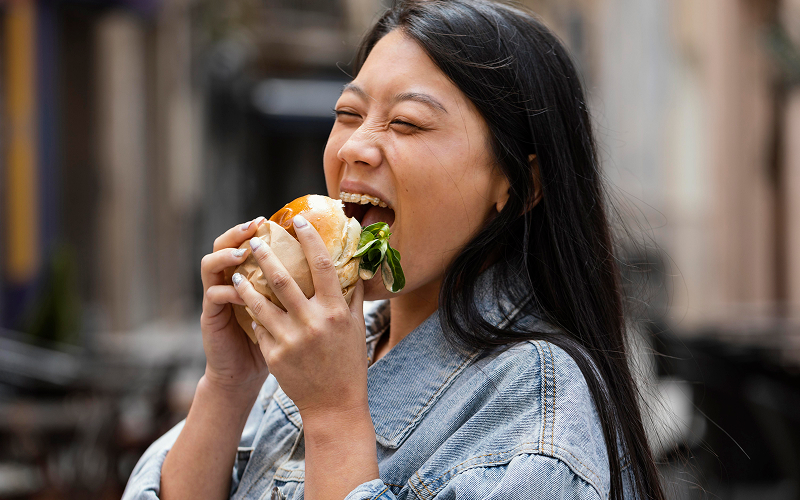
One of the reasons people crave the nasi lemak burger repeatedly is due to its contrast in textures, which increases oral stimulation and prolongs eating satisfaction. Texture is as critical as flavour in influencing cravings.
– Crispy chicken patty: The crunch from the batter contrasts with the soft bun and creamy egg yolk.
– Crunchy garnishes: Peanuts and anchovies add a brittle texture, giving each bite a surprise element.
– Creamy components: Mayonnaise, egg yolk, and any additional sauces add smoothness, making the texture varied and luxurious.
– Fresh crunch: Cucumber slices add crispness and moisture, providing palate relief from the rich, fried ingredients.
This play between textures keeps the eater engaged. Monotony leads to sensory boredom, but by alternating crisp and creamy in a single bite, the burger maintains attention and encourages repeat consumption.
What the Calories Say
Nutritionally, the nasi lemak burger is calorie-dense. A typical serving ranges from 600 to 900 calories, depending on portion size and brand-specific recipes. Here’s a general breakdown:
- Chicken patty (fried): 300–400 calories
- Bun (coconut milk or pandan): 150–200 calories
- Sambal: 50–100 calories (due to oil and sugar)
- Fried egg: 70–90 calories
- Mayonnaise/sauce: 80–120 calories
- Peanuts and anchovies: 50–80 calories
Macronutrient-wise, the burger is high in fat (30–40g), moderate to high in carbohydrates (50–60g), and moderate in protein (20–25g). The sodium content can be substantial, up to 1,200mg or more, which already meets or exceeds half the recommended daily intake. While this energy density may promote short-term satiety, the presence of high fat and sodium has also been shown to promote habitual eating, particularly when paired with strong flavour cues.
In short, you’re not just satisfying hunger; you’re conditioning your body to crave it again.
ALSO READ: Local Delight & A Tourist’s Dream: Top 10 Desserts You Need To Try In Singapore
Emotional and Psychological Associations
Addiction to the nasi lemak burger is not purely physiological—it is often culturally and emotionally driven. Nasi lemak is a dish deeply embedded in local identity, childhood memories, and daily routines. The burger activates both nostalgia and novelty by reinterpreting this national staple in a fast-food format. It reminds many individuals of their comfort meals, hawker centres, or school canteens. This emotional layer reinforces cravings through psychological conditioning; people don’t just eat the burger for taste; they seek a return to familiar emotions.
Additionally, marketing plays a role in reinforcing this addiction. Limited-time offers, seasonal variants, and influencer reviews generate a fear of missing out (FOMO). These psychological triggers, when combined with the already potent sensory experience, boost demand beyond rational appetite.
Commercial Versions Elevate the Addictive Formula
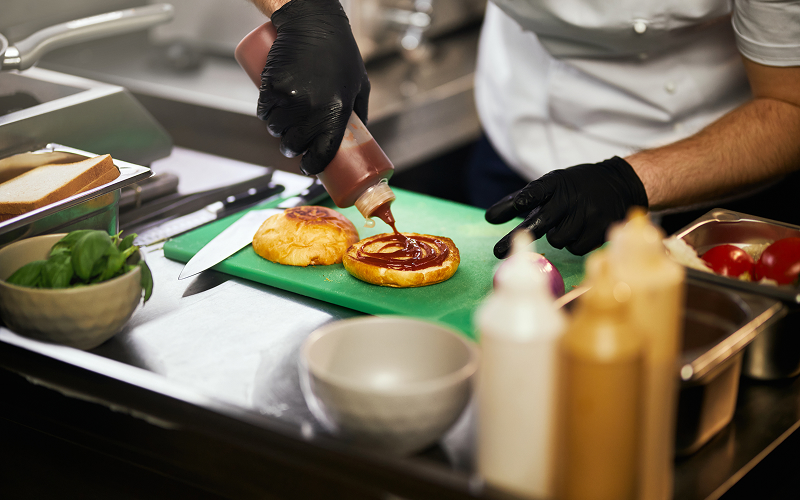
Beyond the initial psychological, marketing trigger, the primary instance of a nasi lemak burger being “commercialised” can also add to the addictive formula. While homemade versions aim for authenticity, commercial nasi lemak burgers are often optimised for mass appeal and addictive potential.
Fast-food chains apply food engineering techniques to ensure consistency, flavour intensity, and high repeat value. For example, patties are often pre-marinated in a blend of sodium phosphates, MSG (monosodium glutamate), and flavour enhancers to deepen the umami taste. The sambal may be adjusted with extra sugar or oil to deliver a longer-lasting mouth-coating effect, while buns are reformulated to stay soft and sweet under heat lamps. Each of these alterations has a nutritional consequence, usually a rise in sodium, added sugars, or trans fats, but they serve a commercial purpose: to trigger the brain’s pleasure centres and promote brand loyalty.
Furthermore, product packaging and advertising reinforce the experience through visual and emotional cues. Commercial imagery often shows the burger oozing with sauce or being held by smiling consumers, triggering dopamine release even before consumption. These tactics play on sensory memory and urgency. Consumers are not just eating the nasi lemak burger—they’re participating in an experience that has been fine-tuned to stimulate cravings and encourage habitual purchases.
ALSO READ: Junk Foods You Should Avoid At All Costs: A Health Warning
Can It Be Healthier and Still Taste Good?
Health-conscious consumers may ask: is it possible to enjoy the nasi lemak burger without the nutritional overload? In theory, yes, but it comes with trade-offs. Here are some common modifications and their implications:
- Grilled chicken instead of fried – Reduces fat and calorie count but sacrifices crispiness and textural contrast.
- Low-sugar sambal – Cuts down on sugar but may lessen the addictive sweet-spicy balance.
- Wholegrain bun or lettuce wrap – Improves fibre and glycaemic control but weakens the nostalgic “nasi lemak rice” simulation.
- Egg white only or poached egg – Reduces cholesterol and fat but also diminishes richness.
- Coconut yoghurt or light mayonnaise – Provides creaminess with fewer calories but lacks the mouthfeel of full-fat condiments.
While some versions try to mimic the flavour profile with fewer calories, they often fall short in mouthfeel or flavour payoff. The addictive power of the original lies in its richness, contrast, and sensory layering, which are hard to replicate in a lighter version without significant culinary engineering.
Conclusion
The nasi lemak burger is not just a novelty or a passing food trend. Its addictive appeal is rooted in a complex interaction of umami chemistry, macronutrient design, cultural nostalgia, and sensory engineering. The combination of fats, salt, and sugar hits the neurological “bliss point,” while layered textures and local flavours turn each bite into a rewarding experience. Though rich in calories and sodium, the burger’s popularity shows how strong the connection between comfort food and cultural relevance can be. Moderation or mindful reformulations are key for health-conscious eaters. But for most, it remains a guilty pleasure that’s hard to resist—because it’s designed to be exactly that.
Visit Taste of SG today and explore more deep dives into iconic bites.