
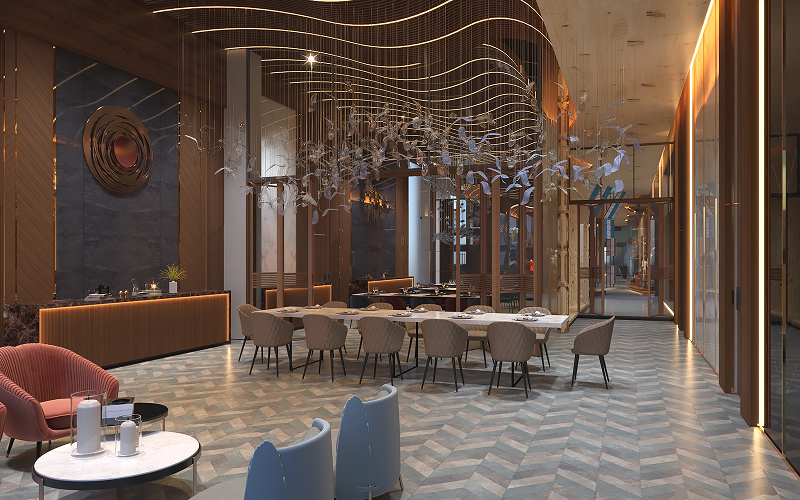
In Singapore, where diversity is at the heart of its cultural identity, dining rooms are evolving into inclusive spaces for culinary enjoyment, accessibility, comfort, and dignity. With an ageing population, a steady stream of international tourists, and a multicultural local community, there is a growing need for dining environments that go beyond aesthetics and cuisine. Accessibility is a priority. And at the forefront of this shift is technology. Whether through voice-command menus, screen readers, or ambient wellness tools, dining rooms across Singapore are increasingly adopting innovations that ensure no diner is left out of the experience.
Digital Inclusion for All: Menus, Translation, and Payment Systems
For many diners, navigating traditional menus and payment methods can be a challenge. That’s why dining rooms in Singapore are turning to tech-powered solutions that offer convenience and clarity like in Furama RiverFront with an invisible butler to cater your orders throughout your hotel stay. Tablets with instant translation features make it easier for international guests to browse menus in their native languages. Multilingual menus powered by AI help bridge language gaps, allowing smoother ordering even without staff intervention.
Additionally, the widespread adoption of contactless payment systems in dining rooms has made dining more intuitive, especially for older adults who might not be comfortable with complex payment apps but appreciate the ease of tap-to-pay methods. These tools simplify the experience and promote a sense of independence and dignity for all patrons.
LEARN MORE: Why Singapore’s Best Restaurants Are Going Cashless
Technology That Serves Everyone: Voice, Vision, and Ergonomics
Inclusive dining rooms are no longer a vision of the future. Voice-command interfaces are emerging as powerful tools in helping patrons with visual or mobility impairments make independent choices. Restaurants are integrating screen readers with QR-based menus, enabling patrons to listen to dish descriptions and allergen information, which is especially beneficial for visually impaired diners.
Furniture is also being reimagined: adjustable tables and ergonomic seating accommodate wheelchairs and mobility aids like The Social Kitchen at YMCA Orchard and Crossings Café, offering a more comfortable and dignified experience. At venues, accessibility is taken seriously in terms of layout and how diners interact with staff and surroundings. By prioritising comfort and usability, dining rooms make sure that service is accessible and welcoming.
Ambience with Purpose: Lighting, Sound, and Wellness Tech
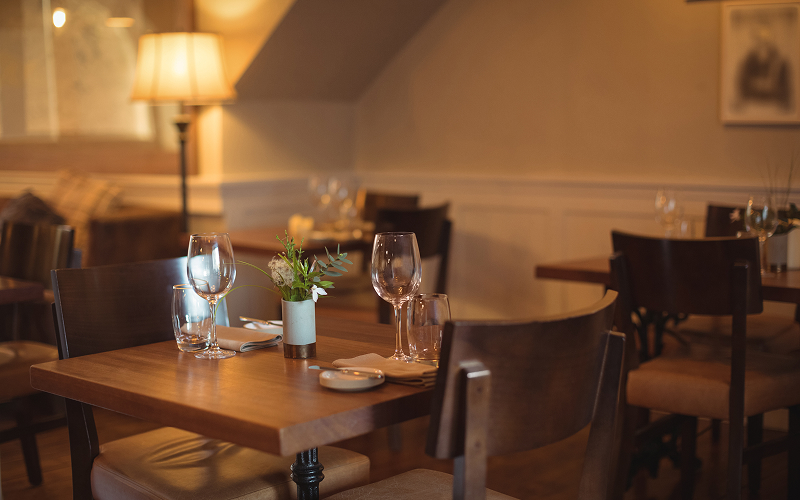
It’s not just what you eat, but how you feel while eating that defines the experience. For neurodivergent diners or elderly guests sensitive to sensory input, dining rooms that consider lighting, sound, and temperature create ambience and foster inclusivity. Smart lighting systems that minimise harsh glares or balance blue light levels can reduce discomfort.
Acoustic zoning helps lower background noise in high-traffic areas, making conversations easier for those with hearing challenges or sensory sensitivities like in Odette. Smart HVAC systems maintain optimal temperatures, contributing to overall wellness. These thoughtful environmental adjustments are essential for creating dining rooms where everyone can feel at ease, no matter their needs.
Dining Rooms as Service Hubs: AI and Automation Behind the Scenes
While diners enjoy their meals, behind-the-scenes technology is hard at work. AI scheduling and predictive kitchen prep tools streamline service flow, ensuring meals are timed perfectly and seating arrangements are optimised to reduce wait times. This has direct benefits for diners with mobility or stamina challenges who find standing in queues or waiting for long periods exhausting.
Dining rooms in establishments like Grand Hyatt Singapore have adopted AI-driven tools that predict diner volume and automate task allocation among staff. Real-time support technology ensures help is just a tap away. This seamless integration of service tech shows how dining rooms can be both efficient and empathetic.
Seamless and Safe: Touch-Free Tech for a Post-Pandemic World
The global pandemic transformed our expectations around hygiene and safety, and dining rooms in Singapore adapted quickly with touch-free technology. Touchless QR code menus, automated seating systems, and digital check-ins have become the new normal. These tools reduce the spread of germs and provide a safer experience for immunocompromised diners or those simply seeking minimal contact.
At buffet-style restaurants, diners can select their portions via digital kiosks or apps, avoiding communal utensils altogether. In modern dining rooms, tech is a reassurance that safety and convenience go hand-in-hand.
READ MORE: Buffets Go Digital: The Future of Hotel Dining in Singapore’s High-Tech Hospitality
Robotic Assistance and Smart Servers: Boosting Access Without Losing Warmth
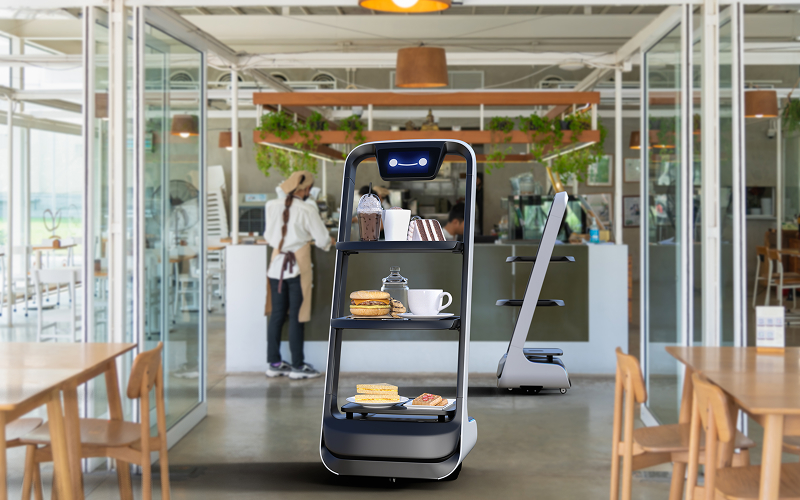
Singapore’s dining rooms are no strangers to robotics. From AI hosts that greet guests to robotic servers that deliver meals with precision, automation is redefining what efficient service looks like. Yet, the charm lies in the balance. While machines handle repetitive or physically demanding tasks, human staff focus on meaningful interactions.
At Country Clubs and fine-dining establishments alike, robotic assistants are deployed to support, not replace. These robots create smoother pathways for wheelchairs by reducing floor clutter and ensuring meals arrive quickly and safely. More than a novelty, robotic assistance in dining rooms ensures access and flow, particularly in high-volume venues.
Future-Proofing Inclusive Dining: What’s Next?
As technology continues to evolve, the future of inclusive dining rooms looks promising. AI voice assistants that recognise speech patterns and regional accents could offer more intuitive menu navigation. Gesture-controlled tablets may help diners with speech impairments communicate preferences seamlessly.
Interactive smart walls might turn waiting areas into engaging, sensory-friendly spaces for children or neurodivergent patrons. Dining rooms in Singapore are poised to be global leaders in hospitality innovation by enriching it with meaningful tech integration.
Conclusion
Singapore’s dining rooms are setting the benchmark for inclusive, tech-enabled hospitality. From smart menus and payment systems to ambient wellness tools and robotic servers, the city-state is embracing a future where everyone can enjoy dining without barriers. These innovations foster dignity, independence, and belonging. By designing dining rooms that serve everyone, regardless of age, ability, or background, Singapore is proving that accessibility and excellence can go hand in hand. The future of inclusive dining is already here, and it’s deliciously promising.
To explore some of these innovations firsthand or discover accessible dining recommendations, visit Taste of SG—your insider guide to Singapore’s evolving food scene.