
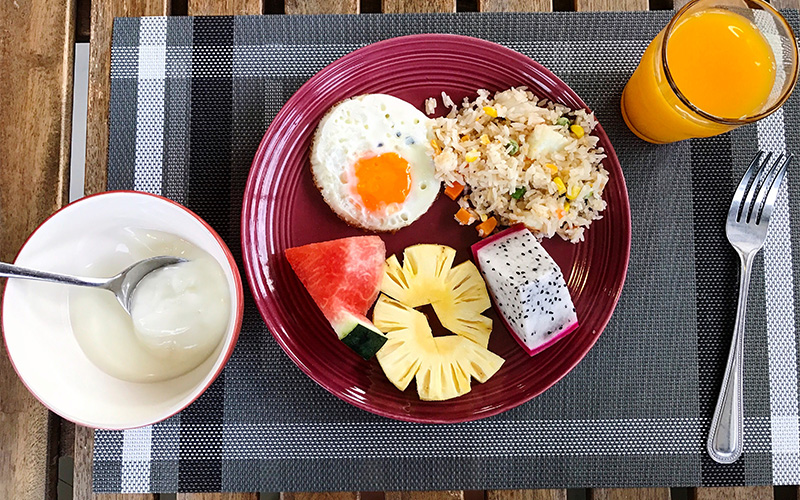
Hotel buffets in Singapore can now customise their visitors’ stays, beginning with the reservation process, with the big help of technology. For instance, customer information is utilised, to reserve multiple facilities and lodging for their kind visitors. With this, hoteliers can now evaluate guests’ activity in real-time and suggest a good experience based on their patterns of spending time and improved correspondence to such needs.
Dining At Its Prime
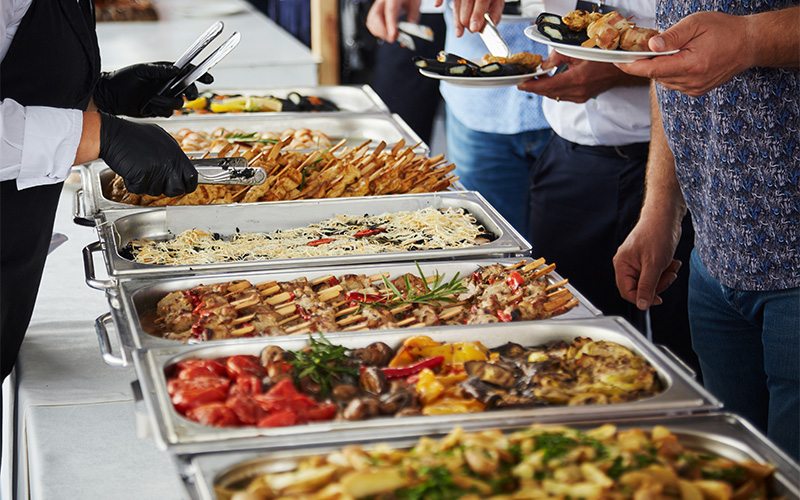
Hotel buffets in Singapore has shifted successfully, driven by a growing demand for convenience, speed, and safety. Once defined by physical queues and self-service counters, a hotel buffet in Singapore has digital alternatives for human support. Hotels are investing in systems that enhance efficiency while delivering a seamless guest experience. The traditional buffet, long associated with variety and indulgence, is now intersecting with technology to offer an upgraded, streamlined model.
Serving The Guests
A good guest experience depends on guests and hotel employees who have clear communication. Chatbots and virtual assistants are examples of this kind of technology which has shortened in-room service hours while offering “round-the-clock” customer support and answering multiple questions from visitors. As mobile devices become a part of this phenomenon, hotel buffets in Singapore may also use social media, in-app chat, and SMS to connect with possible customers, facilitating easy communication and producing memorable visitor experiences.
Guests feel safe and protected when they stay at your hotel thanks to high-tech security features like temperature screening tools, sanitization stations, and contactless check-ins. Furthermore, innovations like IoT-controlled smart locks, biometric security, and safety surveillance systems help to guarantee the highest level of visitor comfort and security.
It is now essential for the hotel industry to welcome technology. By updating themselves with the appropriate devices, hotels can improve performance through communication channels, reducing wait times, and serving quality guest experience for a safe atmosphere.

Digital Menus and QR Code Access
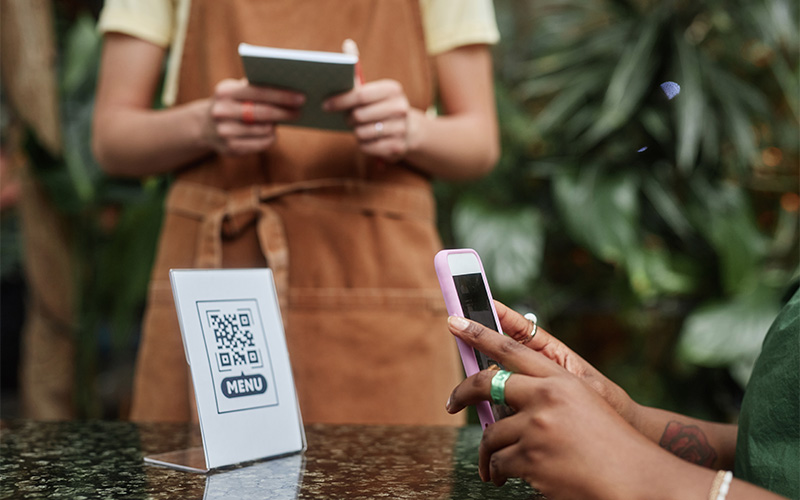
One of the most noticeable changes in modern hotel buffets is the replacement of printed menus with digital alternatives. QR code access has become standard, allowing diners to view updated menus on their smartphones. This approach minimises contact, reduces printing waste, and enables real-time updates to reflect dish availability or seasonal specials. A hotel buffet in Singapore has digital menus designed with filters and images helping guests make informed choices quickly.
Table Reservations and Capacity Control
Guests can now secure a spot at buffets through digital reservation platforms. Instead of walk-ins and long queues, diners can now book a timeslot in advance through integrated mobile apps or hotel sites. These systems support real-time capacity tracking, helping hotels manage crowd flow and maintain dining room safety. During peak periods or festive seasons, this tech-driven reservation model ensures better crowd distribution and a smoother overall dining experience.
READ MORE: What Nutritionists Recommend You Eat at an International Buffet in Singapore
Automated Food Stations and Touchless Dispensing
Automation has begun to play a significant role in enhancing buffet service efficiency. Some hotel buffets in Singapore have introduced robotic or sensor-activated stations that serve specific dishes without requiring direct staff interaction. From soup dispensers to dessert plating machines, these tools provide hygienic and efficient service with minimal human contact. Guests enjoy quicker access to food while hotels reduce the need for additional manpower during busy dining hours.
Interactive Displays and Real-Time Dish Information
Smart screens and interactive displays are enriching the way diners engage with buffet spreads. These digital panels provide more than just names and ingredients—they can display allergen alerts, calorie counts, and recommended pairings. Guests can explore a dish’s origins, cooking methods, or nutritional facts with just a tap. For international visitors and those with dietary restrictions, this level of detail creates a more inclusive and informed experience at hotel buffet in Singapore establishments.
Kitchen Technology for Real-Time Monitoring
Back-of-house operations have also evolved. Modern hotel kitchens are provided with technology that monitors food temperature, freshness, and preparation times. These systems reduce food waste by tracking consumption patterns and adjusting portions accordingly. Through inventory management, chefs can ensure timely replenishment and consistent quality. This back-end efficiency directly enhances the guest experience by reducing wait times and maintaining food standards.
Contactless Payment and Smart Billing
Digital transformation extends to payment processes. Guests can now settle their bills through contactless methods, including mobile wallets, credit cards, and digital room charges. Self-checkout kiosks and e-invoices add convenience, particularly for business travellers or large groups. This removes the friction from payment interactions and speeds up guest turnover, allowing buffets to run more efficiently during high-demand periods.
Sustainability Through Tech Integration
Digital buffet systems contribute to sustainability goals. Hotels can reduce food waste by using data-driven forecasting tools that align preparation with real-time demand. Electronic menus lower paper consumption, while touchless features help minimise disposable packaging. Lighting and kitchen systems also contribute to energy efficiency. By embedding sustainability into buffet operations, Hotel Buffet in Singapore providers address both guest expectations and environmental responsibilities.
Customisation with AI-Powered Suggestions
Artificial intelligence is slowly finding its place in hospitality dining. Some buffet systems now offer AI-powered suggestions based on previous choices, dietary input, or popularity trends. Guests receive meal recommendations that align with their taste or health goals. For example, someone selecting vegan items might receive prompts to try plant-based protein dishes on another station. This personalises your preferences while promoting lesser-known offerings in the buffet line.
Enhanced Hygiene Standards Supported by Tech
The pandemic accelerated hygiene expectations across hospitality, and technology has stepped in to meet these standards. Buffet layouts now include automated hand-sanitising stations, UV sterilisation for utensils, and contactless check-ins. Surveillance tools track crowd density to ensure distancing compliance. These innovations are not just temporary solutions—they have become permanent features in maintaining trust and safety within a hotel buffet in Singapore.
Training and Upskilling Through Digital Platforms
Staff training has adjusted alongside these improvements. Hotels now use digital platforms for training front-line and kitchen staff, ensuring consistency in handling new tech systems. From learning to operate dispensing equipment to managing digital bookings, ongoing upskilling keeps service teams competent and responsive. These internal improvements are essential in delivering a smooth and cohesive guest experience.
Bridging In-Room Dining and Buffet Options
Technology is also blurring the lines between in-room dining and buffet access. Some hotels offer mobile apps that allow guests to pre-order selected buffet dishes and enjoy them in the comfort of their rooms. This hybrid model suits business travellers, families, or those seeking a quieter dining option. It reflects how hotel buffet in Singapore experiences are diversifying to fit different preferences and lifestyles.
Real-Time Feedback Loops and Guest Insights
Digital comment cards, instant rating tools, and online surveys allow guests to share feedback immediately after their meal. Hotels use these insights to make rapid adjustments, improve food quality, or address service gaps. Real-time data collection helps track guest satisfaction trends over time, forming the basis for continuous improvement. This responsiveness reinforces guest loyalty and enhances the buffet’s overall appeal.
Technology as a Competitive Differentiator
As more hotels embrace high-tech dining, digital innovation becomes a competitive edge. Properties that implement integrated systems can offer smoother bookings, safer dining, and better customisation—factors that increasingly influence guest choices. In a saturated hospitality market, offering a forward-thinking hotel buffet in Singapore experience can be a deciding factor for discerning travellers.
READ MORE: How Technology Is Changing Healthy Food Delivery Services In Singapore
Smart Waste Management and Circular Strategies
Another advancement in digital buffet operations lies in waste tracking and reduction strategies. With the help of sensors and AI, hotels can monitor food disposal levels in real-time, analyse consumption trends, and identify overproduction patterns. Some properties are beginning to implement circular systems, where organic waste is processed on-site into compost or biofuel. These efforts support Singapore’s broader sustainability goals and reduce operational costs, proving that technology supports profit and the planet.
Integrating Voice-Activated Assistance and Virtual Hosts
To improve accessibility and service speed, some hotel buffets in Singapore are testing voice-activated kiosks and virtual concierge tools. These digital assistants help guests locate dishes, identify allergens, or get information in their preferred language. This is particularly useful in high-traffic international hotels, where a diverse mix of diners may benefit from faster, tech-guided assistance. The added accessibility also opens the buffet model to more inclusive participation, especially for guests with disabilities or dietary restrictions.
The Social Element: Tech Meets Hospitality
While technology guides hotel buffets in Singapore, it also creates space for guest engagement. Digital guestbooks, live cooking streams, or virtual kitchen tours can be used to involve diners more meaningfully. These features add an experiential layer to dining and align with Singapore’s reputation for hospitality innovation. Hotels that find a balance between automation and the human touch are more likely to create memorable buffet experiences that resonate long after checkout.
What the Future Holds for Buffet Dining
Future trends may include augmented reality menus, and facial recognition check-ins in food preparation. With guest expectations continuously shifting towards convenience, safety, and experience, hotels will need to stay agile and invest in scalable, user-friendly technology. The traditional buffet model is being rewritten, and Singapore remains at the forefront of this transformation.
For more information about seasonal tastes and all-day dining in Singapore, visit Taste of SG today.