
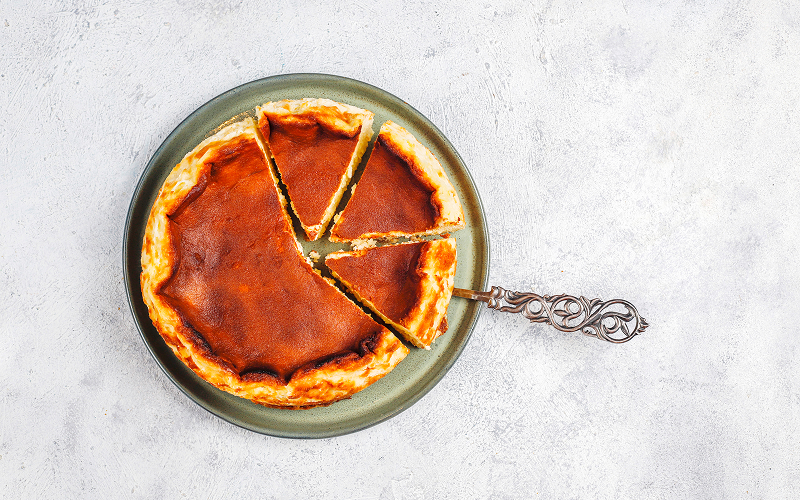
Burnt cheesecake has secured a steady presence on café menus over the past few years. Its appearance feels bold, yet the flavours stay familiar and comforting. Burnt cheesecake in Singapore attracts dessert fans who enjoy a balance of richness, mild bitterness, and smooth texture without decorative extras. It suits casual gatherings, solo coffee breaks, and shared dessert moments with ease.
The Appeal of a Burnt Surface
The dark, caramelised top comes from high-heat baking rather than added toppings. Under high heat, sugar and dairy come together to form a toasted surface with a gentle bitterness and soft caramel notes. That contrast gives the flavour more depth while staying clean and easy to enjoy, without leaning on extra toppings or decoration.
Inside, the cake remains creamy and soft, supported by a stable mix of cream cheese, eggs, sugar, and dairy cream. Bakeries pay close attention to oven timing, cooling periods, and pan depth to maintain this texture. Careful control keeps the centre smooth and sliceable, with enough structure to hold its shape without turning dense or dry.
Simple Ingredients, Clear Flavours
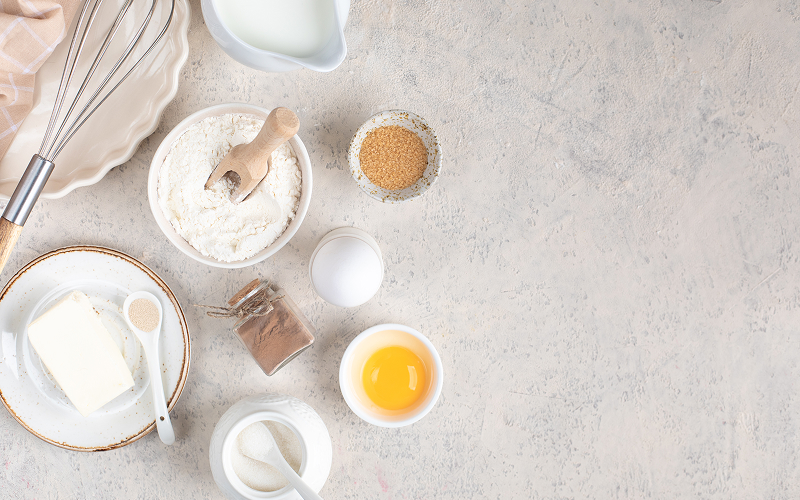
Burnt cheesecake recipes keep the ingredient list short, which puts the spotlight on how each part behaves in the oven. With fewer elements in play, bakers give closer care to dairy freshness, sugar balance, and baking time. Small changes show up quickly when everything has to pull its weight.
Food reviews tend to focus on tanginess, texture, and firmness instead of visual flair. That attention reflects how burnt cheesecake in Singapore leans on careful handling and steady baking to shape its character, letting flavour and texture speak on their own.
Texture That Matches Local Tastes
Many dessert fans prefer smooth textures that feel satisfying without being heavy. A well-made burnt cheesecake has a soft, custard-like centre with a lightly set edge that holds it together. The mix of creamy and firm textures makes each bite feel satisfying without feeling heavy, keeping the experience smooth from start to finish.
Resting time plays a key role in achieving that result. After baking, the cake is left to cool before slicing, and some need to rest in the fridge overnight so the centre can set naturally. That extra time helps the cheesecake hold its shape while keeping the inside smooth and creamy. Slices stay neat and steady whether served straight away or later in the day.
A Reliable Match for Coffee and Tea
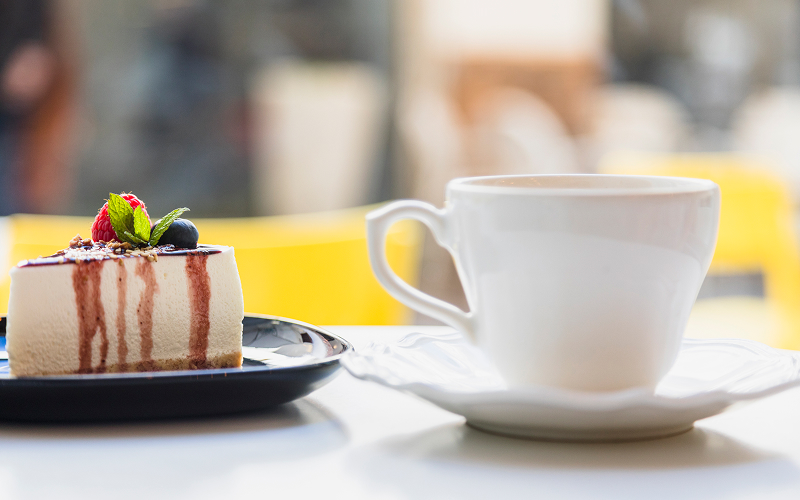
The mild sweetness of burnt cheesecake pairs comfortably with both coffee and tea, which explains why burnt cheesecake in Singapore often appears alongside everyday drinks. The toasted top balances espresso bitterness, while the creamy centre softens stronger brews. Tea drinkers tend to prefer black or roasted blends that reflect the cake’s caramel notes.
Café menus usually list this dessert among familiar choices rather than leaning on themed or limited pairings. Its presence suits spontaneous café stops as well as relaxed sit-down sessions, helping it remain a regular feature without being tied to specific occasions.
Practical Baking Methods Used Locally
Burnt cheesecake is baked at higher temperatures than traditional cheesecakes. This approach allows the surface to darken quickly while the centre stays moist and soft. Shorter bake times reduce the risk of overcooking, helping the interior maintain a smooth, cohesive texture that feels rich without becoming heavy.
Kitchens monitor oven calibration carefully, since even slight temperature shifts can alter surface colour and texture. Bakers adjust tray placement, pan size, and baking time to keep results consistent from one batch to the next. Careful control helps each cake come out with the same texture and finish, which matters in bakeries and pastry shops preparing fresh cakes every day. Reliable outcomes make service smoother and timing easier to manage..
Why the Flavour Profile Feels Familiar
The flavour structure of burnt cheesecake stays consistent from slice to slice, with little variation between batches. The bitterness from the surface, light tang from the cheese, and gentle sweetness from sugar create a taste that feels easy to recognise.
This familiarity explains why burnt cheesecake in Singapore keeps returning to dessert menus. Diners often choose it because the flavour feels steady and easy to enjoy, especially when they want a dessert that pairs well with coffee without guessing what it might taste like.
CHECK OUT: How to Enjoy Cakes in Singapore Without Overeating: A Portion Guide
Portioning and Sharing at the Table
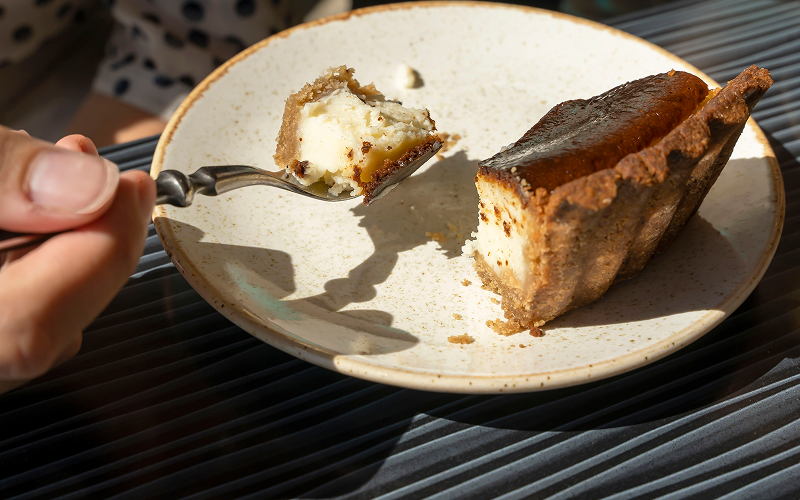
This cake works well as an individual slice or as a centrepiece for sharing, which is why burnt cheesecake in Singapore often suits both solo diners and groups. Its dense body allows clean cuts, so portions stay neat whether served solo or passed around the table. It fits naturally into quiet coffee stops as well as relaxed sharing at the table.
Some cafés serve it whole for groups who prefer to cut their own slices, while others offer it pre-sliced for an easy pick-and-choose option. Sharing becomes simple, slightly messy in a good way, and free from any rules. One cake, a few forks, and everyone gets exactly the size they feel like having.
A Dessert That Encourages Repeat Orders
Dessert choices often lean on familiarity. Burnt cheesecake delivers a consistent experience with each slice, which builds confidence among regular customers. The flavour profile stays recognisable, and the texture meets clear expectations.
Burnt cheesecake in Singapore earns its place through dependable baking methods and balanced taste rather than spectacle. For anyone planning their next café visit or refining a dessert shortlist, this cake remains a comfortable and satisfying pick. Visit Taste of SG to explore cafés serving well-made slices worth returning for.